
The growing momentum of opposition to Scotland's newest national park

As the debate for whether Galloway should become Scotland’s third national park continues, the question of funding looms overhead.
When rural affairs secretary Mairi Gougeon announced Galloway as the proposed location for Scotland’s third national park, she spoke enthusiastically of the “benefits” that the status could bring to the area.
Her words were echoed by Rob Lucas, chair of the Galloway National Park Association, who lauded his campaign’s victory. Chosen as the preferred site from a five-strong shortlist, Galloway had beaten off competition from locations in the Scottish Borders, Loch Awe, Tay Forest and Loch Abair.
“This is fantastic news that the case for Galloway to be proposed as Scotland’s third National Park has been recognised,” he said. “It would bring transformational economic and environmental benefits to the area and strengthen our local communities.”
Just two months later, the plan is already facing fierce opposition.
Momentum has been building against the idea, as the opening date of an official consultation on the move approaches.
Scottish Government agency NatureScot is to soon launch its official survey on Galloway becoming the country’s next national park in November, opening the consultation “to anyone with an interest in a new national park for Scotland.”
However, those opposed to the plan are already making their voices heard.
NO PARK signs have been popping up around the countryside, and a new ‘No Galloway National Park’ group has formed on social media, which has gained about 2,300 members in just over a month.
Meanwhile, several leading rural organisations have beaten the Scottish Government to it: polling their members - as well as members of the public - on their views about the proposed park.
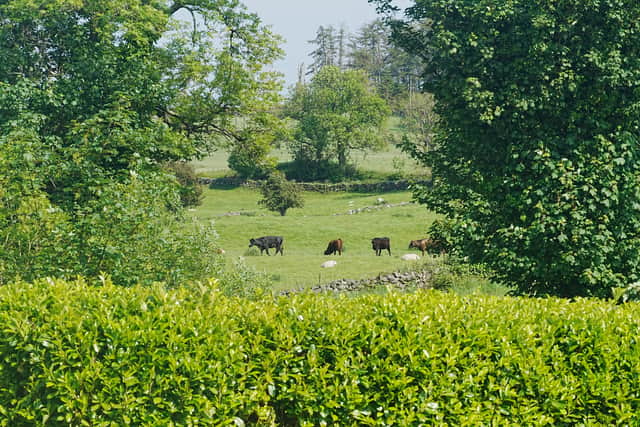

Both landowner membership organisation Scottish Land & Estates (SLE) and the National Farmers Union Scotland (NFUS) recently published results of surveys, which showed those against Galloway receiving national park status were in the majority.
The SLE polled its members living and working in Galloway, of which 91 per cent were against the idea. Meanwhile, the NFUS poll, which surveyed some 2,000 members and non-members in the region, revealed 73 per cent of respondents were against the plans.

The Galloway National Park Association (GNPA), the campaign group behind pushing for a park, defends its claim on public support by referring to a survey they completed to endorse the application to the Scottish Government.
GNPA said it had spoken to “an excess of 2,500 people and organisational representatives at more than 130 meetings” and that 84 per cent of people responding to its survey were in favour of promoting the park – and that a further 68 per cent “strongly supported one.”
These surveys, whether for or against the park, each cover some one to two per cent of Dumfries and Galloway’s population - which stood at about 146,000 in 2023. The surveys’ impartiality is also in question, given they were promoted by groups with a clear stance on the matter.
But while the debates continue over how beneficial or damaging the move could be for the region on those living within it, the big question is: where is the money going to come from?
Last month, the Scottish Government announced £5 million has been redirected from its Nature Restoration Fund – a pot of money that supports some 170 projects across Scotland tackling climate change and nature loss - to pay for employment disputes in the public sector.
In response, Dee Ward, chairman of SLE, and who carries out extensive nature restoration work on an estate in Angus, warned: “When cuts need to be made, invariably they seem to come from the rural budget.”
While this latest round of cuts to Scotland’s nature projects might not have impacted national park funding per se, deeper cuts are being felt across the wider economy, with finances being moved to areas considered more important.
This month, Finance Secretary Shona Robison announced the Scottish Government has to make £500 million in cuts to ease “enormous” pressure on public finances. She warned under the new Labour government, "it is clear that we are entering a whole new era of austerity".
Patrick Laurie, who owns a farm and works in conservation projects in Dumfries and Galloway, said in the context of fast-depleting public funds, “the idea of a new National Park seems barmy.”
The best-selling author said across the region, money has been stripped from many local nature projects that had taken years to build.
In a blog post, Mr Laurie said: “A lack of money alone is enough to kill the proposal right now – and if we do get a National Park after all, it’s probably fair to ask why it came at the expense of so many great initiatives which were already in place.”
Speaking to The Scotsman, the GNPA seemed confident there is a pot of money holding up to £10m - in line with the spending on Scotland’s other national parks - that will become available if and when the status will be awarded, which the association believes will be some time in 2026.
It acknowledged the exact figure would depend on terms, including the governance and size of the park.
The GNPA said the current government cuts are in revenue budgets, and “have no necessary implications for the future.”
Gordon Mann, a GNPA trustee, said the creation of a new national park is already in the Plan for Government, and “therefore it has already been factored into future Scottish Government spending.”
A response from the Scottish Government, however, showed funding remains vague. It said the NatureScot consultation will have to take place first before any decisions are made, including the budget.
A spokesperson said: “This consultation will help to determine whether Galloway should become Scotland’s next national park and what role a new park could play in supporting economic growth, community development and environmental protection.
“When we receive NatureScot’s report next Spring we will carefully consider its findings – including the budgetary implications - before deciding any next steps.
“If we decide to proceed with the designation of a new national park in Galloway, it should be cost efficient, provide value for money and help to meet the needs of local communities.”
Described by one campaigner from the group Hands Off Our Hills as “the armpit of Scotland”, Galloway being granted national park status is seen by some campaigners as a tool to bring more tourism to the area to boost the local economy.
Dumfries and Galloway Council recently launched a new initiative to address the regions ongoing population decline. The population fell from 148,000 in 2018 to just under 146,000, according to the 2023 census. Key areas of the initiative include improving housing availability, particularly in the private rental sector, and addressing the impact of second homes.
Campaigners against the idea of a national park, however, have insisted the status will only exacerbate some of the issues the region faces, including housing.
Comments
Want to join the conversation? Please or to comment on this article.