
The 'Big 5' species being targeted for conservation boost in north east Scotland

The species chosen are of conservation concern.
Five key species are being targeted as part of a project to improve biodiversity in the north east of Scotland.
The North East Scotland Biodiversity Partnership (NESBiP)’s “Big 5” campaign aims to raise awareness of the five species chosen while educating communities on how to protect them.
To be chosen, the species have to match three criteria: to be characteristic of North East Scotland, of conservation concern and possible to help through local action. A combination of urban and non-urban species are selected to spread engagement into cities, too.


The previous campaign, in 2014, focused on bottlenose dolphins, small blue butterflies, pine martens, hedgehogs, and common toads.
The NESBiP said the project was “a fabulous success, with lots of communities fighting to protect them and raise awareness, we thought it was time for a renewal.”
This year, the new Big 5 will be hedgehogs, common swifts, northern damselflies, mixed native hedgerows, and native willow species.
As part of the campaign, which is funded by the James Hutton Institute (JHI), Aberdeen, Aberdeenshire and Moray councils, Scottish Forestry and Ithaca Energy, cash will be provided for communities to undertake projects that will support these five species.

These include planting hedges, digging ponds, and building hedgehog and swift boxes.
This funding will be delivered in partnership with the North East Scotland Climate Action Network Hub (NESCAN Hub).
A Big Five champion will also be appointed for each species, to educate and support communities as they protect local biodiversity.
Abbie Ferrar, who is based at the JHI’s Craigiebuckler campus in Aberdeen, said: “This campaign is very important for us at NESBiP. We know biodiversity loss is a scary thing.
“However, by providing simple actions that everyone can do, we can all make a difference.”
Hedgehogs are still struggling in terms of numbers, with the animal listed as “near threatened.” The NESBiP said their biggest threat is vehicles and habitat loss. The common swift, the organisation said, is suffering large declines, principally thought to be due to loss of nesting sites.
NESBiP said the north east is the only place you can find the Northern Damselfly in the UK and is listed as endangered. Habitat degradation and loss and climate change are said to be key threats.
Mixed native hedgerow species, although not currently characteristic of the north east, could be as they are of conservation concern, according to NESBiP. They also provide habitat and food for many species of conservation concern, including the hedgehog.
Meanwhile, goat willow, which conservationists said can feed some 363 different insects, is incredibly important for early pollinators given it’s one of the first plants to flower. Research suggests the tree can help stabilise riverbanks, prevent erosion and be home to various small mammals.
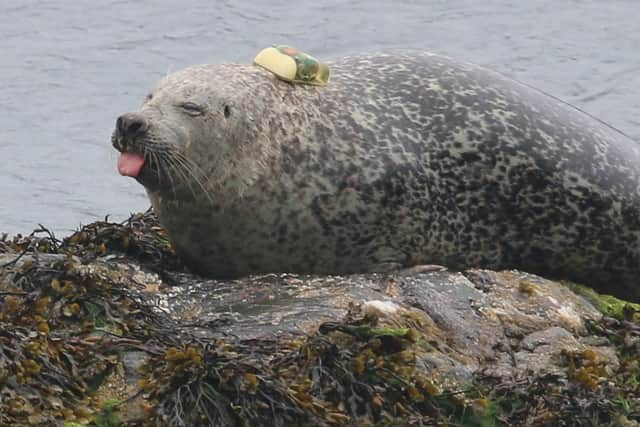
A previous Big 5 campaign also focused on the red squirrel, red deer, golden eagle, otter, and harbour seal.
Comments
Want to join the conversation? Please or to comment on this article.