
'Sigh of relief' as river Spey hydrogen plant 'halted' in company reshuffle

Objections included concern over endangered salmon and fresh water mussel populations
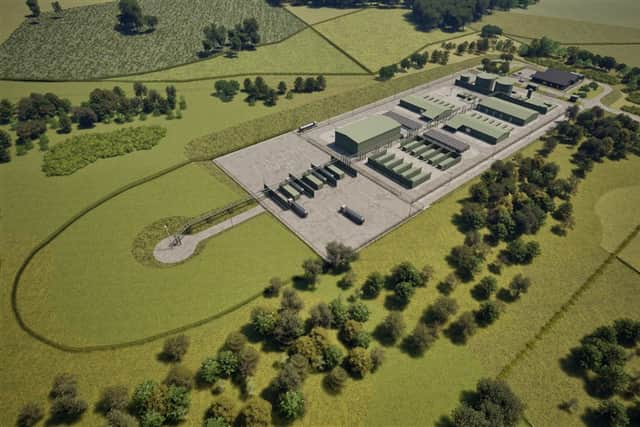
A community surrounding one of Scotland’s world-famous salmon fishing rivers is celebrating after plans for a hydrogen plant were officially halted amid company restructuring.
Campaign group Friends of Speyside have been battling plans for the Marypark development near Ballindalloch in Moray since an official application was lodged in March last year.
Pollution, impact on river levels and wildlife and increased heavy-weight traffic on local roads were cited as some of the main concerns.
Storegga, the developer, claimed the site was appropriate for Speyside given the proximity of distilleries who might want to use the fuel to cut carbon emissions.
The plans, however, were voted down in a unanimous decision from Moray Council in October last year after almost 400 objections were made.
Storegga has now missed the deadline for an appeal to the council’s decision, with the company saying it is going through some “ongoing portfolio management” for its hydrogen plant projects.

Jim Buchanan, of Friends of Speyside, said: “The proposed Marypark hydrogen power plant has been officially stopped.
“With the deadline for Storegga's appeal now passed, it means the plans which were refused by Moray Council have indeed been halted.
“Well done to everyone involved, it was only by working together that our community managed to put a stop to this ill-conceived project.
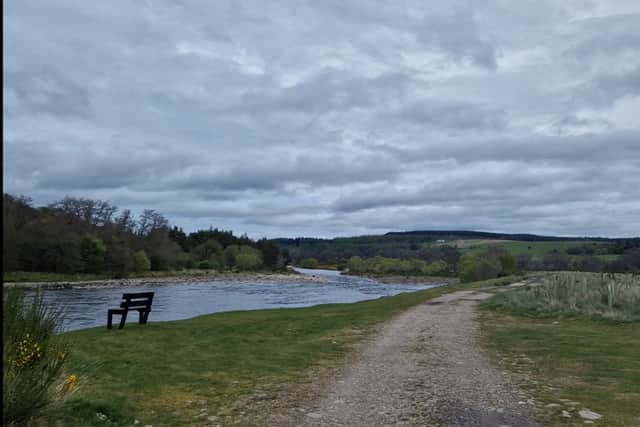
“The Speyside environment and residents, not to mention the Spey itself, can heave a sigh of relief at avoiding such a damaging plant.”
Mr Buchanan added: “We have shown that it is possible to influence government agendas, even by small communities such as ours, never give up.”
The Spey experienced significant water scarcity last year, with record low flows and the highest number of Sepa-imposed abstraction restrictions ever recorded for the river, impacting private water supplies. Properties in the Ballindalloch area report running out of water each year due to the low water levels in the region.
Among the hundreds of objections, many comments raised concern about the hydrogen plant, in which renewable electricity is used to extract hydrogen from water to produce “clean” hydrogen, further impacting river levels.
Concern was also raised about how water extraction could harm the endangered Atlantic salmon and fresh water mussel populations, which experts said are at “critical” levels. The plans said the site would need to extract some 500 cubic metres of water - 500,000 litres - from the river per day to turn to hydrogen on a daily basis.
Storegga’s Speyside hydrogen manager Christina Smitton reportedly said the figures translate to about 0.05 per cent of the Spey’s flow, the equivalent of “a drop of water inside a two litre bottle.”
The company said it had hoped the site would become a regional “hydrogen hub”, adding to Scotland’s 13 other planned hubs across the country.
A Storegga spokesperson said: “As part of ongoing portfolio management, we are considering the most appropriate ownership structures for our hydrogen portfolio, including the Speyside project at Marypark.
“Any future development and planning activity would be led by new owners.”
The River Spey is one of eight river catchments in Scotland experiencing “moderate scarcity” - the second highest alert in Scotland - as water levels fall in the warm conditions.
The low river water levels were recorded following months of lower than average rainfall last year. The North East was the worst affected, according to the Scottish Environment Protection Agency (Sepa).
Several whisky distilleries had to shut down production either earlier than normal or more frequently over the summer months given how low the water levels on the River Spey were.
Comments
Want to join the conversation? Please or to comment on this article.