
Scotland’s organic food market hits £155m as sales surge

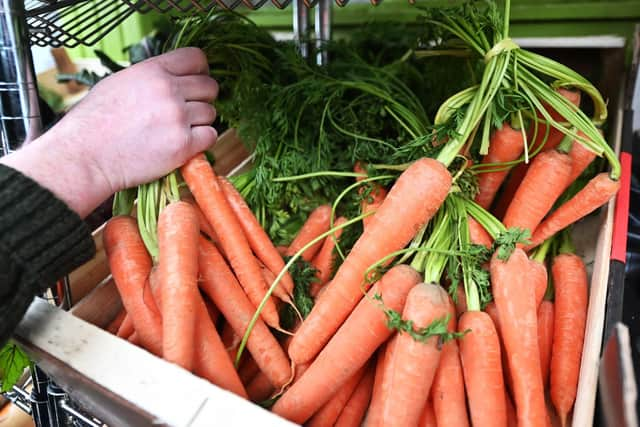
Growth is being fuelled by Scottish produce including fresh milk, eggs, carrots and oats.
Scotland’s organic food and drink sector is booming, with sales reaching £155 million in 2025, according to the first Scotland-specific organic market report.
The new paper — produced by Soil Association Certification on behalf of the Scottish Government — showed the organic market north of the border grew 2.9 per cent in volume and 10 per cent in value last year, outperforming the growth of the non-organic market on both counts.
Strong performances were recorded in organic dairy, fresh produce and “ambient groceries” — non-perishable packaged foods such as cereals, oils and jarred goods.
Fresh milk sales were up by 10 per cent, eggs 7 per cent, carrots 2.5 per cent and oats—including oat milk, porridge and oatcakes—rising by 2 per cent. The report said most of the produce listed was sourced from Scottish farms, highlighting an appeal of home-grown produce.


Organic meat producers, however, say they are still forced to rely on non-organic slaughterhouses because of the shortage of certified organic facilities in Scotland. The decline of small, local abattoirs in recent years has further eroded capacity, creating a significant barrier for smaller producers in particular.
The report showed ABC1 consumers - those from upper, middle and lower middle classes - account for more than half of the spending (58 per cent). Yet the figures showed Scottish consumers on lower incomes have a higher proportion of spend on organic compared to the rest of the UK.
Data from Locavore, a Scottish veg box supplier, also showed that over half of customers earn either under £30,000 or over £70,000, highlighting demand across income groups.
Industry leaders said there is still room for more growth in Scotland. The report found that only 53 per cent of Edinburgh stores stock organic options, compared with 73 per cent in London. Meanwhile, 61 per cent of Scots aged 25 to 44 said they would be more likely to buy certified organic products if they were more widely available. The typical organic shopper in Scotland is aged between 35 and 44, with singles and families among the most engaged consumers.
The report comes as part of the country’s Organic Action Plan, published in January this year, an industry-led strategy supported by the Scottish Government to significantly increase organic land, production, and consumption.
Mairi Gougeon, cabinet secretary for rural affairs, said: “This report marks an important step in growing Scotland’s organic market. It will help producers access new markets, connect with local supply chains, and bring the benefits of organic food to more people across the country.”
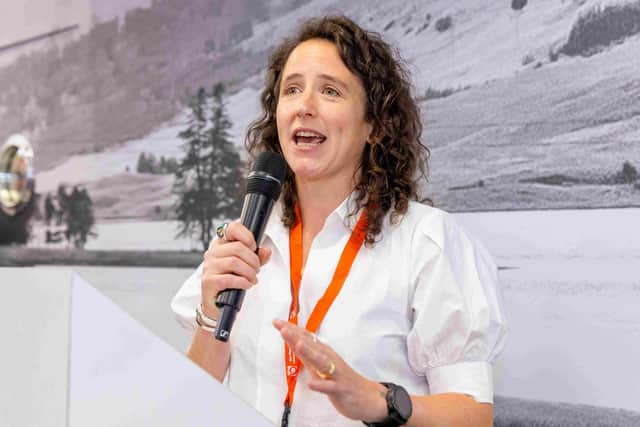
David McKay, co-director of Soil Association Scotland, said: “This report demonstrates that Scottish shoppers are increasingly choosing organic – with market growth in both volume and value.
“That includes staple products like milk, eggs, carrots and oats, with opportunities for more beef, lamb and vegetables. That is good news for Scottish farmers and growers, with an increasing number converting to organic production. It also underlines the importance of the Organic Action Plan – which has landed at the right time to sustain the current momentum of the sector.”

Amanda Brown, Programme director at Scotland Food & Drink, said: “More consumers are choosing high-quality organic food and drink. The Scottish Organic Action Plan gives a clear path to boost production, strengthen supply chains and turn policy into real progress for the sector.”
Comments
Want to join the conversation? Please or to comment on this article.