
Scientists warn risk to dolphin and whale species after 'exponential increase' in Scotland strandings

Researchers warn the scale and consistency of the rise indicates “a genuine cause for concern”
Marine mammal strandings in Scotland have increased in the past 30 years, with some species at a markedly higher rate, according to new research.
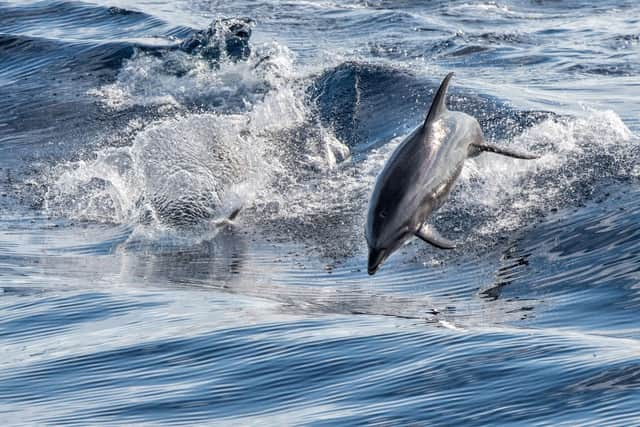
Baleen whales, which include humpback and minke whales, and common dolphins have seen an “exponential increase” in strandings, according to scientists.
The figures come from researchers at the University of Glasgow. Their paper marks the first time scientists have been able to quantify the scale of the increase in marine strandings around the country’s coastline.
The study, published in Scientific Reports, looks at all cetacean species seen in Scottish waters – baleen whales, short-beaked common dolphins, deep divers, harbour porpoises and pelagic dolphins.
Follow Hay’s Way updates via Katharine’s Instagram page and by signing up to her free Scotsman Rural newsletter here.

The research draws on a 30-year dataset collected by the Scottish Marine Animal Stranding Scheme (SMASS) between 1992 and 2022 to examine the distribution and trends in marine mammal strandings. While there were increases overall across all cetacean species, some species showed steep increases in their stranding rates.
The study showed almost all species were found to strand on the north west coast. However, porpoises predominantly strand along the east coast around the Inner Moray Firth, the Outer Moray Firth and Forth and Tay, according to experts.
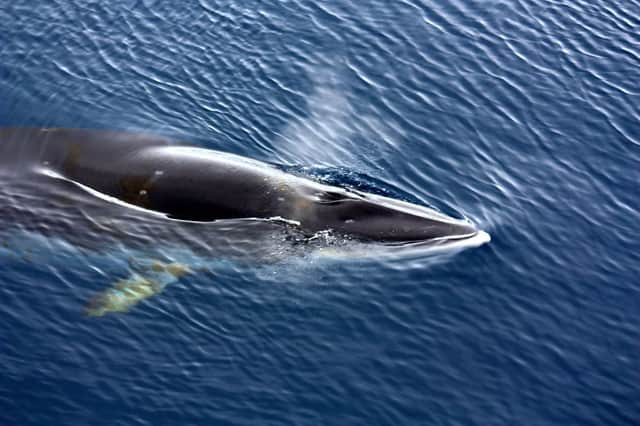
Authors said the rising trend for common dolphins and baleen whales may partly reflect an increase in recording efforts over time, but they warned the scale and consistency of the rise indicates “a genuine cause for concern”. Experts warned these two species should be prioritised for conservation efforts.
A total of 5,147 cetaceans stranded were included in the study.
Harbour porpoises accounted for more than half all the strandings, (2,676, 52 per cent), followed by pelagic dolphins (1,217, 24 per cent), common dolphins (494, 10 per cent), baleen whales (479, 9 per cent), and deep divers (281, 5 per cent).
Authors said stranding rates for baleen whales and common dolphins remained consistently low during the first two decades, but reports rose sharply from 2010, followed by an exponential increase.
The data also revealed a disproportionate rise in strandings among juveniles of both species, indicating younger animals may be particularly vulnerable.
Deep divers and pelagic dolphins showed a steadier increase in strandings, while harbour porpoises had an oscillating pattern, but with an overall increase.
While authors said the exact causes were difficult to pinpoint, they agreed human activities were likely impacting wildlife populations. Predominant threats include declining fish stocks, increased bycatch and entanglement rates, noise pollution, habitat change from warming sea temperatures, and impacts from chemicals and plastics.
There is ongoing public debate about the increase in renewable energy developments, including offshore wind farms, on the country’s coastline and what impact that can have on wildlife.
Developers of offshore wind farm Berwick Bank, which could be the world's biggest and has been approved by the Scottish Government, said in planning papers the development would kill tens of thousands of seabirds.
Campaigns have pointed to concerns over habitat loss and risk of collision.
Dr Andrew Brownlow, director of SMASS, said the study established “a crucial baseline” for understanding cetacean status in Scottish waters and helped identify species of particular concern. He said the next step was to understand the drivers behind these patterns.
When asked about the potential impact of renewable developments, Dr Brownlow said: “This analysis does not attribute strandings to any specific cause, including wind farms.
“While wind farms are often raised in public debate, other well-documented pressures — such as fisheries interactions — are known to contribute significantly to cetacean mortality.
“The reality is that these issues are complex, with multiple interacting factors. The value of this study is in providing the robust baseline needed to disentangle these influences and to highlight that, in a rapidly changing ocean, ongoing monitoring is essential for effective conservation and policy.”
Comments
Want to join the conversation? Please or to comment on this article.