
Rewilding charity wants £3.6m to bring back 'missing species' in Scotland

A funding appeal has been launched this month.
One of Scotland’s leading rewilding charities said it wants to raise £3.6million to complete a reintroduction project for species, including tauros and lynx.
Trees for Life (TfL) is set to launch a “Missing Species Programme” to bring back four species it has described as “lost keystone animals” to the Scottish Highlands.
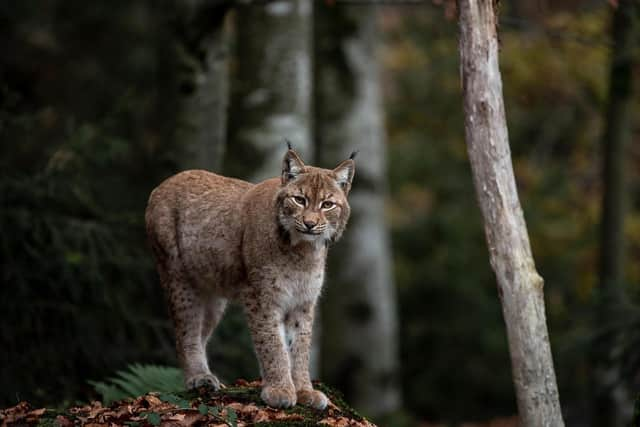
This includes reintroducing the lynx and the modern-day auroch, a cow that has been bred using back-breeding to create a modern equivalent called the tauros.

The other two animals are the red squirrel and the beaver, which already exist in Scotland, but are species TfL want to see more of.
The charity said the programme will require £3.6m to fund its first five years, which will include detailed habitat assessments and community engagement to meet Scotland’s strict licensing requirements.
Along with an appeal this month to raise an initial £25,000 to kickstart the initiative, TfL is reaching out to funders – including individuals, businesses, foundations and grant-making bodies – to help fund the new programme.
The charity’s chief executive, Steve Micklewright, said: “By bringing back the forest-planting red squirrel, flood-preventing beaver, deer-managing lynx, and landscape-shaping aurochs through their modern-day descendant the tauros, we can restore nature at scale and breathe new life into the Highlands, so people and wildlife can thrive together.
“Returning these four important, carefully-chosen architects of the wild is about restarting the natural engines of Scotland’s ecosystems – boosting biodiversity, climate action and local economies, and giving people the chance to discover the wonder of a wilder landscape. The Highlands can become a beacon of hope in the fight against extinction and wildlife loss.”
After a successful reintroduction of beavers to Glen Affric in October, Trees for Life and Beaver Trust are now looking at the potential for returning beavers to the Loch Ness area.

Conservationists have celebrated the animal’s return to several areas of Scotland in the last few years. The animal has also caused controversy in some regions given the impact they can have on farmland and more populated areas.
TfL claims the Highlands can support a breeding population of 250 lynx. The charity has worked with the Lynx to Scotland partnership to assess what an official reintroduction might involve, from sheep predation to eco-tourism benefits, and is preparing for further local discussions in 2026.
For the tauros, the TfL announced last year it hopes its 4,000-hectare Dundreggan estate near Loch Ness will see the UK’s first introduction of a herd four centuries after its extinction. Some farmers have argued native breeds already in the UK, including the Highland cow and the Belted Galloway, would be a more sensible, cheaper option.
Meanwhile, with the red squirrel, the charity has relocated animals to woodlands in the northern Highlands, establishing 13 new and flourishing populations so far.
It said it is investigating to create more clusters of red squirrel populations across the region.
Comments
Want to join the conversation? Please or to comment on this article.