
Recommendation made to refuse guga hunt ahead of NatureScot meeting


A formal decision will be made next month
Scotland’s nature agency has been recommended to cancel the controversial guga hunt this year, according to papers released ahead of the formal decision next month.
A determination published this week showed NatureScot has been advised to refuse this year’s application for the activity.
The 500-year-old or so guga hunt takes place each year on Sula Sgeir, an island some 40 miles north of Ness on the Isle of Lewis.
The Men of Ness, a group of ten residents from the village, harvest between 500 and 2,000 pre-fledged gannets out of a population of about 10,000 breeding pairs on the island each year to eat.
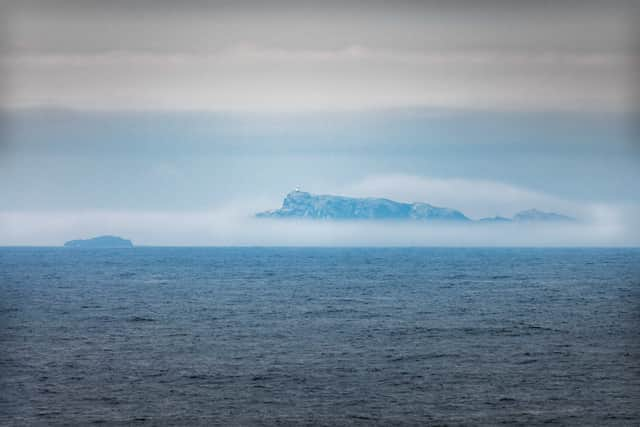
The annual hunt returned last year after a three-year hiatus during bird-flu. The Men of Ness reduced the number of birds they would take to 500 to ensure the gannet population could fully recover.
The determination looked at an option to harvest 500 young gannets this year rather than the standard 2,000, with NatureScot’s licensing and marine science experts saying that the number would “unlikely” impact the island population. However, the advisers ultimately refused this option, arguing that “the margins are slim” and that there remained “reasonable scientific doubt” that the hunt, even with the reduced quota, could result in an adverse effect on site integrity.
Islanders connected to the guga hunt said the official bird population survey of the island is not available until October and questioned the outcome of the report.
A formal decision on whether the hunt will go ahead or not this year will be made by NatureScot on August 3.
The annual harvest has been heavily, and in some cases viciously, debated online since last year’s hunt went ahead. A petition was launched in November by wildlife photographer Rachel Bigsby from Sussex to ban the hunt. The paper has since been signed by 100,000 people and multiple protests have taken place at Holyrood and NatureScot properties with activists calling for the practice to be banned.
In March this year, two activists, Jamie Moyes and Allan Jackson, spent 60 hours on the roof of NatureScot’s headquarters in Inverness demanding the hunt be banned. They were subsequently charged with breach of the peace and culpable and reckless conduct. Campaigners also smashed a glass door and windows at the offices and sprayed graffiti on the property.
Islanders in support of the guga hunt have become concerned that intimidation tactics of animal activists are paying off and NatureScot is “moving the goalposts.”
Devon Docherty, from animal activist group Protect the Wild, said the charity is “relieved” by the report.
“The Guga hunters say they have the utmost respect for sustainability and always follow the science,” she said.
“Now the science is clearly saying this can’t go ahead. If they mean what they say, they should accept this and leave the gannets alone.
“The Scottish Government must now act to remove the outdated legal exemption that allows this hunt to continue being licensed in the first place so that Sula Sgeir’s gannets finally receive the full protections they deserve.”
OneKind, Scotland’s animal campaigns charity, said that “kindness and constructive evidence” look set to end the controversial guga hunt.
Responding to the NatureScot board paper, the charity’s chief executive Jason Rose said: “Since the licensing of the hunt resumed last summer, OneKind has calmly and clearly made the case for this grisly piece of history to be retired, as no animal should ever have to suffer in the name of human tradition.
“The recommendation to the NatureScot board is clear and shows what is possible when constructive engagement is sought and considered evidence is presented – a way of making progress for animals that has seen OneKind lead the way over many years.”
Comments
Want to join the conversation? Please or to comment on this article.