
Small changes to farming activities could increase wader protection by more than 50 per cent

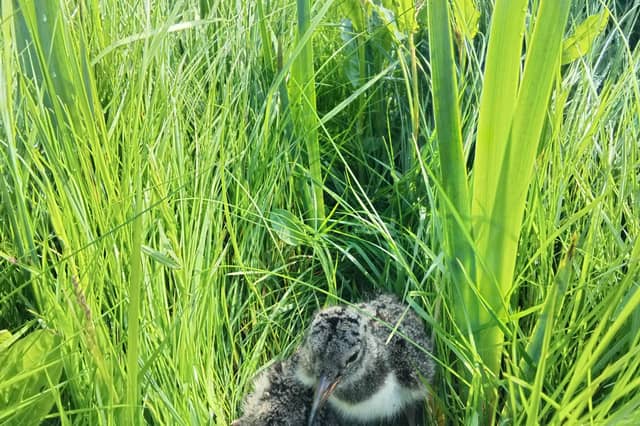

Other main pressures include predation and habitat loss, but agriculture practices are simpler to handle, a study found.
Small changes to the timing of conservation measures on farmland could significantly improve protection for some of Britain’s fastest-declining wading birds, researchers have found.
A study by the University of Aberdeen and Edinburgh Napier University found that by extending current farming activity exclusion periods by as little as two or three weeks in some areas could substantially improve the chances of birds such as lapwings, oystercatchers and curlews successfully raising young.
The species were once a familiar sight and sound across the UK countryside, but their numbers have fallen dramatically over the last three decades. Between 1995 and 2024, Scotland’s lapwing population declined by 63 per cent, while oystercatcher numbers fell by 41 per cent and curlew numbers by 62 per cent.
Other pressures, including increased predation and habitat loss are also main causes, but the study showed addressing agricultural losses are comparatively simpler to handle more immediately.

One factor behind the decline is the changing management of agricultural grasslands. Earlier and more frequent mowing, combined with high livestock densities in some areas, can make it difficult for ground-nesting birds to breed successfully, with nests and chicks vulnerable to livestock and farm machinery.
Agri-environment schemes provide payments to farmers for measures intended to protect wildlife, including delaying mowing or the introduction of livestock until later in the breeding season. However, the dates used by the schemes are generally applied uniformly across each country.
The research, published this week in the Journal of Applied Ecology, found that this “one-size-fits-all” approach often fails to reflect when birds are actually breeding.
Researchers used nesting data collected across Britain, including information from the British Trust for Ornithology, the Royal Society for the Protection of Birds and the Game & Wildlife Conservation Trust. They found considerable differences in breeding seasons between species and across different parts of the country.
As a result, conservation measures can be imposed at the wrong time, leaving nests and chicks exposed even where farmers are complying with schemes intended to protect them.
The researchers have proposed conservation timings tailored to individual species and locations. Their analysis suggests that relatively modest changes to existing exclusion dates could increase protection of lapwing and oystercatcher nests from livestock by 30 per cent and 57 per cent respectively.
Protection for chicks from mowing could rise by 35 per cent for lapwings and 72 per cent for oystercatchers.

Leah Gray, a postgraduate researcher at the University of Aberdeen who led the study, said that the decline in wader populations was being driven largely by a failure to produce enough young birds to sustain numbers.
“Waders face numerous challenges, from habitat degradation and predation to the destruction of nests and chicks by machinery and livestock,” she said.
“While many of these pressures need to be addressed, agricultural losses are comparatively simpler to mitigate compared to more complex issues such as predation and habitat loss.
“Changes to livestock management and mowing regimes therefore offer an ‘easy win’ for conservation and are among the most effective interventions for supporting breeding waders.”

She said breeding times varied between species and regions, meaning that conservation measures needed to reflect local conditions.
“Our research shows that current agricultural exclusion dates are often missing the periods when birds are actually nesting and raising chicks,” Gray said. “This means nests and chicks can still be lost unnecessarily, despite schemes specifically designed to protect them.”
The research was primarily intended to provide evidence for NatureScot, which advises the Scottish Government on its agri-environment scheme. The researchers hope their findings will be used to revise the scheme so that conservation measures are more closely aligned with actual breeding patterns.
Comments
Want to join the conversation? Please or to comment on this article.