
Exclusive:John Swinney responds to letter signed by 40 community groups calling for net zero energy project freeze
First Minister John Swinney has responded to calls for a freeze on new net zero projects across Scotland.

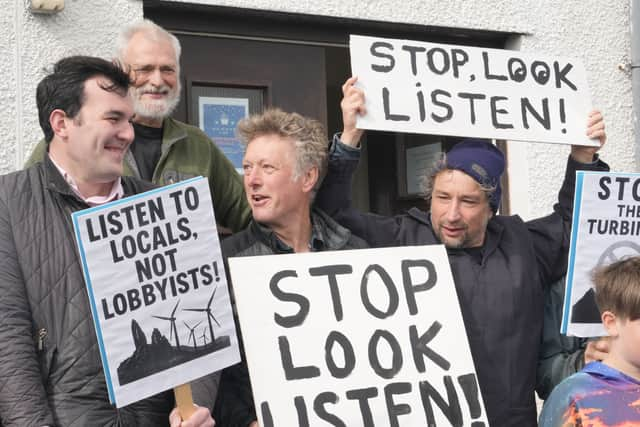
John Swinney has rejected calls for a moratorium on major renewable developments made in a letter signed by more than 40 different community groups.
Authors of the letter say Scotland is facing a “barrage of applications”, with developers following a “wild west” approach.
The campaigners pointed to high energy bills despite renewable energy growth, claiming the “transition is being mishandled and driven by misguided incentives”.
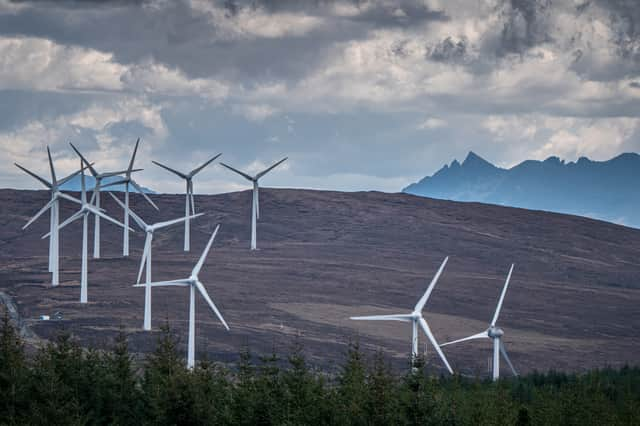

Mr Swinney has now responded to reject the calls for a moratorium, saying there is “a pressing need to increase our renewable generation capacity”, with electricity demand expected to increase.
The First Minister said onshore wind developments, which face widespread backlash from communities across Scotland who backed the letter, play “an important role” in meeting this demand.
He went on to explain how such developments “drive economic growth, create high-quality green jobs and bring wider benefits to Scotland”.
Mr Swinney’s letter said: “The Scottish Government is committed to ensuring communities see real and lasting benefits from the energy transition.
“Community benefits are a core part of renewable energy development in Scotland, and despite the powers to mandate community benefits being reserved to the UK government, we have made good progress through a voluntary approach, with around £30 million offered to communities in the past year alone.”
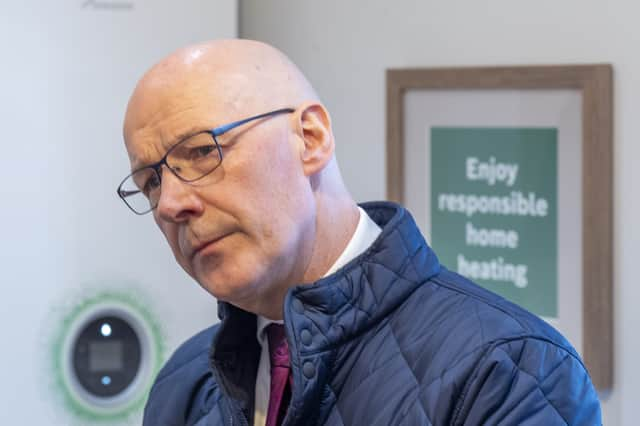
Mr Swinney said the Scottish Government was reviewing the Good Practice Principles that include advice on a community benefit fund, which is voluntary for developers.
The First Minister’s response comes after the Skye Wind Farm Information Group (SWIG) disputed benefits that wind farms are said to bring to communities during a week-long inquiry into the Ben Aketil wind farm upgrade in June.
The inquiry heard developer Nadara generated a turnover of about £139 million, with profits of just over £60m in that same timeframe from the wind farm. Meanwhile, the community donation paid by the company to local groups on Skye in the same time period was short of £750,000.
The inquiry heard the company was looking to increase community benefit to £5,000 per MW of installed capacity, which is the Scottish Government Good Practice Guidance.
Energy experts, however, have previously told The Scotsman the guidance is from 2014 and needs to update with inflation. Residents living next to wind farm developments have previously described this figure as “pitiful”.
The inquiry also heard local accountant Faye Macleod, from Skye, which is said to be the most visited place in Scotland outside Edinburgh, dispute claims onshore wind farm developments do not impact local economy, with the island’s biggest driver of income being tourism.
A report from BiGGAR Economics claimed no evidence had been found to suggest that landscape and visual effects of wind farms had an impact on tourist behaviour.
Ms Macleod disputed this, saying the research only focused on the wind farm once it was operational and did not include the construction phase and the cumulative impact of multiple wind farm projects.
The letter comes as almost all Highland MSPs are set to descend on Inverness next week for a community council convention to hear residents’ concerns about the renewable energy boom.
Some 11 MSPs and MPs of all political stripes will join more than 50 community councils representing more than 75,000 residents across the region at the convention in Inverness.
Scottish Energy Secretary Gillian Martin and energy minister for the UK government Michael Shanks were invited, but both turned down the invitation.
Comments
Want to join the conversation? Please or to comment on this article.