
Exclusive:Investigation launches after 200 salmon die at Scottish river realigned for A9 dualling works in Highlands
The plight of Atlantic salmon in Scotland is widely known.

An investigation has been launched after nearly 200 salmon were found dead at a site where roadworks are being carried out in the Highlands.
The Dalmagarry Burn, which runs into Findhorn, in Moray, is being realigned as part of ongoing A9 dualling works between Tomatin and Moy, just south of Inverness.
The Scotsman understands fish, including a population of Atlantic salmon, an endangered species, were stunned and removed from the burn to be relocated while the works were being carried out.
Follow Hay’s Way, Katharine’s rural walking tour of Scotland by signing up to her free Scotsman Rural newsletter here and her Instagram page here.
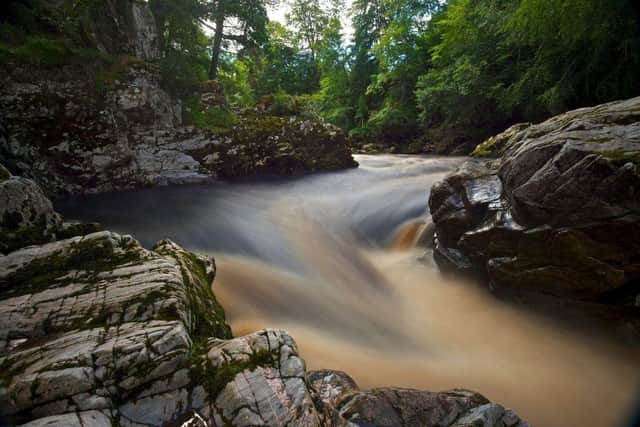

Stunning fish, or electrofishing, is a fairly standard method used when relocating the animals. Using a mild electrical field, the fish are temporarily stunned before being netted and are usually placed in a holding tank until released to a suitable location.
Balfour Beatty, the Scottish Government contractors responsible for the A9 works, reported a “fish kill incident” to the Scottish Environment Protection Agency (Sepa) at the end of last month.
Sepa confirmed officials visited the site and found 190 fish had died. This included mainly juvenile salmon and some other river species.
Sepa said the fish were not killed during the stunning process and that an investigation into the cause of their deaths is ongoing.
Balfour Beatty said all media inquiries relating to the A9 work sits with the Scottish Government and did not comment on the investigation into the dead fish.
Transport Scotland, the transport agency for the Scottish Government, said it was notified by Balfour Beatty of “an environmental incident” that occurred within the boundary of the A9 Dualling: Tomatin to Moy project on Friday, August 22.
A spokesperson for the agency said: “The relevant regulatory bodies, including Sepa, were informed and investigations are ongoing. We await the outcome of the investigation into the incident. We take environmental protection issues very seriously and our contractor is fully co-operating with Sepa.”
Across all rivers in Scotland, the total number of salmon returning to coastal waters has declined since estimates began in the 1970s.
Rising river temperatures, water quality and human activity at sea, including contamination from fish farms, are said to be some of many contributing factors in the species’ decline.
The Findhorn was one of many rivers that had a challenging summer due to long, dry spells. With water levels reaching so low, the local fishery board made the decision to close the Findhorn to fishing.
Due to the dry weather, local reports said the initial run of spring salmon suffered “extremely badly” from saprolegnia, a disease that is causing them to die in large numbers.
Some rivers across the country, including the river Dee, are also showing worryingly low numbers, according to ghillies and anglers.
Members of the Aberdeen and District Anglers Association previously told The Scotsman the river’s salmon is facing an added challenge: an increase in seals moving upstream.
River Dee ghillie, Robert Harper, recently wrote a letter to government agencies and MSPs saying catches today on the river he works on are barely a tenth of what they were 15 years ago.
He said an overlooked factor in the plight of salmon in the river Dee was “the rise of rogue seals, which have taken up residence in the river”.
The ghillie called on ministers to take more action on the predation of salmon and urged them to look to other countries, including in Scandinavia, where they have adopted physical barriers.
Comments
Want to join the conversation? Please or to comment on this article.