
Hay's Way: Hunkering down for winter on a Hebridean island
Preparing for winter is second nature to many people living rural communities - stocking up on everything from tins of soup and packets of pasta to household essentials is more standard practice than part of a last minute panic buy.


The bonfires and fireworks glowed particularly brightly this week against the backdrop of the lengthening nights.
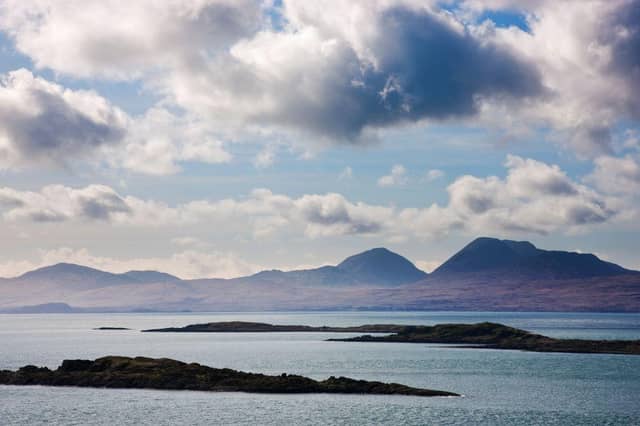
For some reason, the arrival of Greenwich Mean Time has felt more pronounced for me this year. Perhaps it is because I have watched the days shorten from the west coast of Scotland, where I have been spending time on the Hebridean island of Jura.
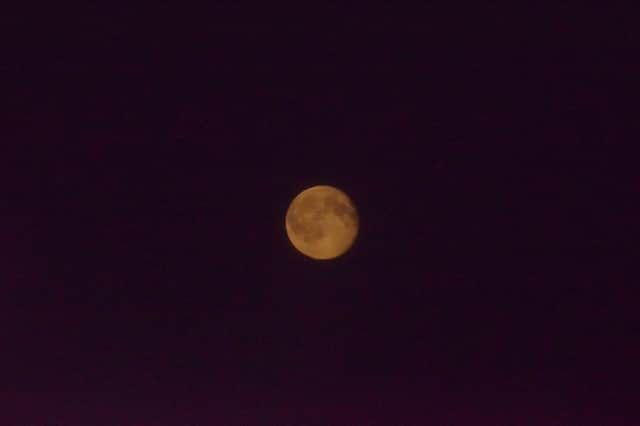
The absence of streetlights and light pollution brings a different relationship with darkness. That is, at least, when the evenings are not illuminated by the extraordinary moonlight that has accompanied the recent full moon.
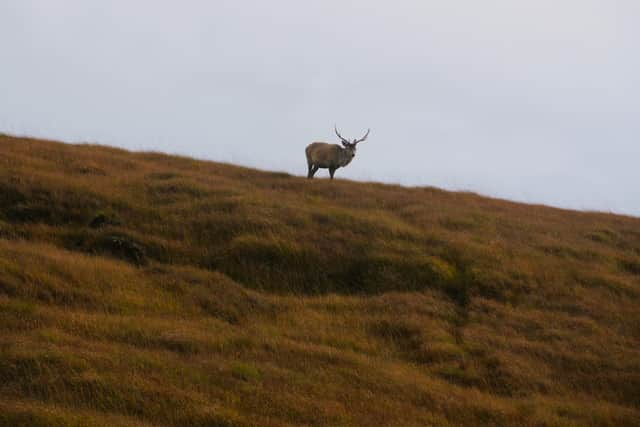
The Hunter's Moon caught my attention more than the orb's other forms. I am, after all, still on Jura – Deer Island – where deer and stalking are very much part of the culture.
Traditionally, the Hunter's Moon marked a time when, following the harvest and the clearing of fields, hunter gatherers could more easily spot animals moving across the landscape. There was something fitting about observing it from here.
As my circadian rhythm shifts, I have found myself making preparations for winter. The weather remains surprisingly mild, but the occasional crisp morning has already offered reminders of the colder months ahead.
Steam rises spectacularly from great piles of cattle manure, while cobwebs sparkle with dew, clinging to blades of grass stiffened by the first traces of frost.
As regular readers of Hay's Way will know, I am generally encouraged to put away my walking boots and camping equipment over the winter. It is not so much the cold that gets to me, but the combination of limited daylight and increasingly unpredictable weather, which makes it more challenging to keep up a pace on foot while also finding the time to write for the paper.
It is the wind, in particular, that I find most difficult to navigate. Having spent enough nights watching tent poles bend so far that the canvas roof touches my nose, I have come close to developing a mild form of anemophobia when camping.
For the past couple of winters, I have retreated to Edinburgh, where I am normally based when not gallivanting around the country, or sought refuge with relatives until the worst of the weather has passed.
This year, however, things are going to be different. Having developed a particular affection for Jura and the people I have come to know here, I have decided to hunker down on the island and spend at least part of the winter among its community.
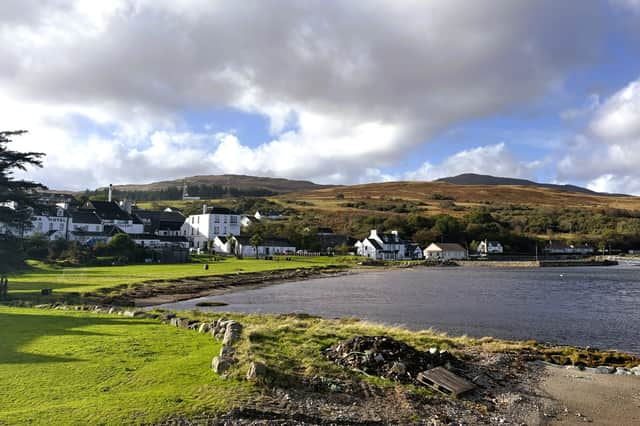
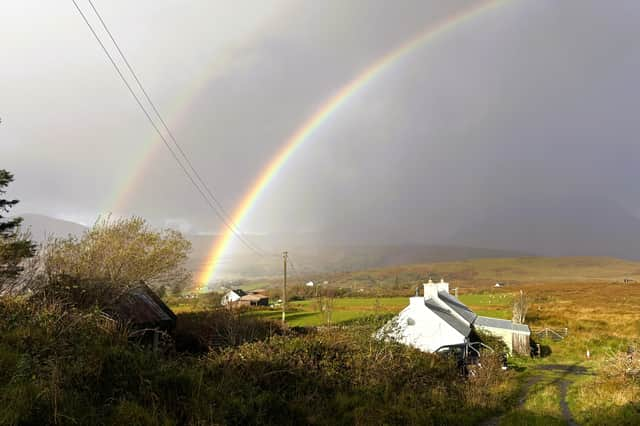
It is an appealing prospect but also an opportunity to understand something of what life is really like for those who call Scotland's more remote communities home when the seasons turn.
Visiting an island in summer, when the long, light evenings are inviting, is one thing. Remaining when the ferries are more vulnerable to disruption than usual, the nights close in around 4pm and the weather dictates the day-to-day rhythm of life is quite another.
I have already had a small taste of what that can mean. In the aftermath of Storm Boelo, I was invited to dinner with a group of residents following a power cut. It was there that I first heard about the island's so-called 'power cut parties'. When the electricity goes off, islanders have previously congregated at the island's only pub, which has a generator, to enjoy hot food and one another's company.
The issue of power resilience during winter hit the headlines this week when Scottish and Southern Electricity Networks (SSEN) Distribution launched an unusual and first of its kind initiative to provide free home battery packs to vulnerable households ahead of potential power cuts in the coming months.
Meanwhile, the UK Government has been promoting its Be Ready campaign, which includes encouraging households to consider how they would cope if severe weather left them without electricity or other essential services and to consider stockpiling food and water.
While walking the length and breadth of Scotland over the past two and a half years, I have noticed that preparing for winter is second nature to many people living in its islands and more isolated rural communities, from the Borders to Caithness, Shetland to Uist. Stocking up on everything from tins of soup and packets of pasta to household essentials is more standard practice than part of a last minute panic buy.
In many homes, I have seen dedicated cupboards filled with tinned food, preserved goods and other staples. I have taken to thinking of them as 'end-of-the-world cupboards'. They are reassuringly well stocked, although their contents are generally intended for something rather less apocalyptic than a zombie invasion and more along the lines of a stream of cancelled ferries, an impassable road, such as the Rest and Be Thankful, or a supermarket delivery or Amazon package that never arrives.
One islander from the Outer Hebrides explained to me that shopping for winter tends to take place over several months. In some communities, local shops simply do not have the capacity to accommodate everyone attempting to stockpile supplies at once.
There is also the limited choice available to consumers in the first place, with the Co-op holding a dominant position across many of Scotland's islands and west coast communities. The risks of having one chain dominate became apparent in May last year, when a cyberattack on the supermarket chain caused widespread disruption to its operations and deliveries. Islands including Skye, the Outer Hebrides and Islay felt the impact, with shelves left bare and deliveries disrupted.
The concern remains a live one, with recent warnings from the UK Government and the National Cyber Security Centre about cyberattacks targeting supermarket refrigeration and meat-processing systems across Europe. For island communities, with fewer alternative options, the consequences of such disruption can be particularly acute.
Just as beavers reinforce their dams at this time of year, plugging leaks and patching gaps in preparation for winter – a seasonal behaviour response from them to shortening daylight that has inspired the name of November's full moon, the Beaver Moon, in some traditions – I, too, am joining in the annual rural ritual of battening down the hatches for the months ahead.
Comments
Want to join the conversation? Please or to comment on this article.