
Dalnacardoch: The 18,500-acre Scottish Highlands estate ending paid deer stalking
The estate neighbours a historic sporting estate and an estate owned by Anders Povlsen, where extensive deer management is carried out.

A former shooting estate Scotland, leased by a conservation charity, will no longer host paid deer stalking by the end of the year.
Dalnacardoch Estate, in the edges of the Cairngorms National Park in Perthshire, confirmed the sport will end at the end of this year’s season.
Durrell Wildlife Conservation Trust, set up by renowned author and conservationist Gerald Durrell in 1959, secured the lease from the family who own the 18,500-acre estate in 2023.
Follow Hay’s Way updates via Katharine’s Instagram page and by signing up to her free Scotsman Rural newsletter here.


It is the first estate the Jersey-based charity manages in Scotland among its international portfolio.
At the time of securing Dalnacardoch, the charity said it intended to manage a transition away from historic sport use to a "diversified range of activities".
Durrell’s former chief executive Dr Lesley Dickie, who has now been replaced by Rebecca Brewer, said some of the immediate tasks included engaging with neighbouring estates, planning native woodland restoration, controlling deer numbers, and thinning out non-native Sitka spruce plantations on the estate.
The charity said it was due to end paid-for deer stalking by the end of the season, which runs until spring 2026, but has decided to bring the date forward. The activity will now stop in late October.
Durrell confirmed it has 30 bookings for deer stalking, with the last on October 20. It said deer numbers would then be managed by staff from November.
On the charity’s website, the team said: "When populations become unnaturally high, excessive grazing suppresses plant growth, prevents natural regeneration, and disrupts eco-system balance.

"At Dalnacardoch, we practice responsible deer management, reducing grazing pressure, to support the regeneration of healthy eco-systems and encourage the natural regeneration of missing native woodlands."
The charity had been criticised by animal rights groups, who claimed it was unacceptable the organisation continued to financially benefit from deer stalking for pleasure.
Dalnacardoch sits next to Atholl Estate, a traditional shooting estate that includes deer stalking.
Read more: Why Scotland deer numbers have plummeted by more than half in a scenic Highlands location
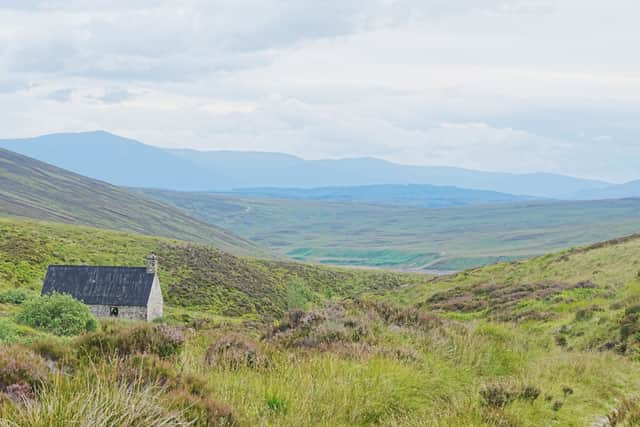
The location also neighbours Gaick Estate, owned by Anders Povlsen, Scotland’s largest landowner, where he has heavily managed and reduced deer numbers for rewilding initiatives.
A spokesperson for Durrell said: "Our plan since taking on the lease in 2023 has always been to transition away from commercial stalking, which is something that we have openly communicated.
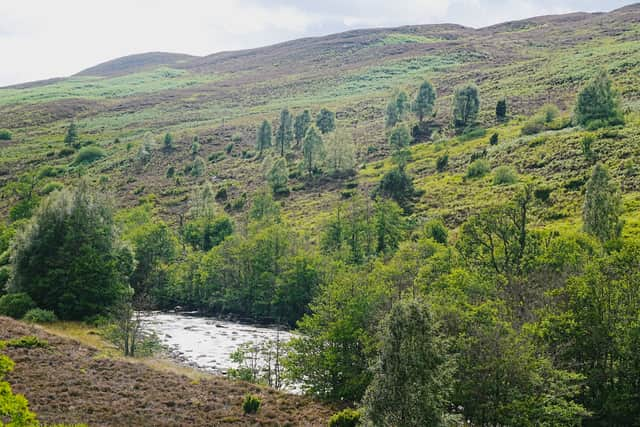
“Earlier this year, we confirmed that this will be our last season of commercial stalking. While the season technically runs until spring 2026, we were already working towards ending this activity by autumn 2025, albeit we didn’t have a final date confirmed at that time.
“Our last booking is now confirmed as 20th October 2025 and from November 2025, we will manage deer exclusively via our own team."
When acquiring the land, the charity, which works within the Cairngorms National Park Authority (CNPA), said it intended on using hands-on species management and habitat restoration techniques to revive what it described as an “out-of-whack eco-system” across the estate.
Durrell’s chief scientist professor Carl Jones said at the time that captive management was one method used in a range of other techniques to restore wildlife in the area depending on the species and how the landscape develops overtime.
While the estate has changed its tone since new management took over, head keeper at Dalnacardoch Kevin Simpson, who has worked on the estate for the past 37 years, has stayed to work on conservation with the charity.
Comments
Want to join the conversation? Please or to comment on this article.