
Rare butterfly not considered by Scottish Forestry in 'unlawful' move

Risk to rare butterfly was overlooked, according to judges.
Scotland’s national forestry agency failed to follow correct legal procedures in considering whether a new forestry development could compromise a habitat for a vulnerable species of butterfly, a court judgement has found.
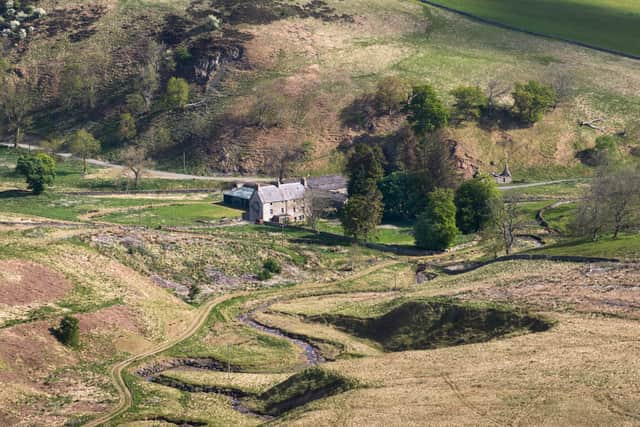
Judge Lady Poole concluded that Scottish Forestry acted unlawfully in how it handled plans for the Todrig woodland creation scheme near Hawick in the Scottish Borders.
The plans cover some 579 hectares, with some 243 hectares used for non native Sitka spruce alongside other species. They were lodged last year by Gresham House Forest Growth and Sustainability Fund LP after it acquired Todrig farm in 2021 for £12.2 million. Investors in the fund include National Trust and the Scottish National Investment Bank (SNIB).


Scottish Forestry staff claimed that an Environmental Impact Assessment (EIA) - a formal process used to assess potential impact on surrounding habitats - was not required and work could begin on the site for planting.
Locals and environmentalists, however, were concerned about the effect on moorland habitat and rare species in the area, including the northern brown argus butterfly which has been listed as of principal importance for biodiversity conservation in Scotland. Wildlife charity Butterfly Conservation also said the insect was vulnerable and in need of protection.
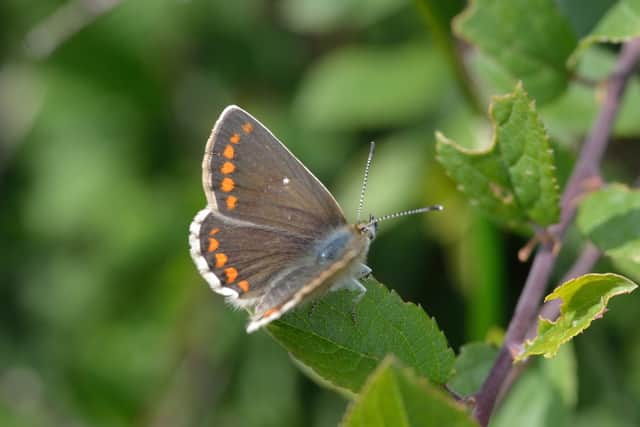
The concerns prompted action from campaign group Restore Nature to launch legal proceedings against Scottish Forestry at the Court of Session in Edinburgh.
The group argued the agency had not properly considered the impact on the northern brown argus and therefore had not followed the correct legal procedures when deciding an EIA was not needed.
In a written judgement, Lady Poole backed Restore Nature’s arguments, saying: “Given that the situation of the northern brown argus butterfly had been drawn to the respondent’s attention, and was on its own biodiversity list, the situation differs from intermediate sensitivity areas.
“The reasons, to be proper and adequate in explaining why the Todrig project was not likely to have a significant environmental effect, ought directly to have addressed the northern brown argus butterfly.
“The informed reader is not given sufficient information in the screening decision to see that proper consideration has been given to the possible environmental effects of the development, or properly understand the reasons for the decision.
“Accordingly, the screening decision is unlawful because the respondent did not have before it sufficient information properly to address the questions and criteria it was required.”
The ruling means the original screening decision has been overturned and must be reconsidered in accordance with the law.
Parties have up to three weeks to appeal the court’s decision.
A Scottish Forestry spokesperson said: "We are considering the terms of the decision very carefully. It would not appropriate to comment further on a live litigation.”
A spokesperson for Gresham House said: “Gresham House respects the Court's judgement on the screening determination for the Todrig Woodland Creation Scheme, and we will work constructively with Scottish Forestry to support a lawful and robust re-determination.
"Todrig has been designed as a high-quality, sustainable woodland project delivering long-term environmental and economic benefits - including carbon sequestration, biodiversity enhancement, and rural employment. We remain committed to ensuring that the forests we manage meet all regulatory requirements and reflect best practice in responsible land management.
"We look forward to engaging positively with all stakeholders as the process moves forward."
SNIB has been criticised by campaigners for previously awarding £50million in funds to Gresham House’s Forest Growth and Sustainability Fund (GHFGS), which invests in new forestry and established commercial forests across the UK.
Former MSP and land campaigner Andy Wightman claimed last year that Gresham House, through the various partnerships that they control, is Scotland’s second largest private landowner, owning 73,553 hectares across the country.
Olly Hughes, managing director of Gresham House, which is now owned by a private equity firm headquartered in New York, has previously argued the company did “not own any land directly under the name of Gresham House”.
However, it is understood the firm and its subsidiaries are named as General Partner in a number of Scottish Limited Partnerships - legal entities which can own land.
Land campaign group Community Land Scotland has previously called for the SNIB to re-examine its relationship with the firm, claiming public funds have effectively funded some of Gresham House’s land acquisitions.
Comments
Want to join the conversation? Please or to comment on this article.