
Church of Scotland sale row intensifies with communities only given weeks to bid


In the last three years, the Church has sold 31 church and hall properties to local groups, but communities across Scotland say they continue to feel betrayed by the sale process.
Communities have renewed calls for more reasonable timescales to be given to plan and raise funds when a church comes up for sale.
The Church of Scotland is in the process of selling hundreds of properties in its portfolio in order to address financial challenges of shrinking congregations and rising costs.
Local campaign groups hoping to take on church buildings for their communities claim that, too often, they are overlooked to the highest bidder on tight timescales.
Community Land Scotland (CLS) said communities need at least 10 to 12 months to go through the funding and bidding process, but claim they get a fraction of that time.
Linsay Chalmers, of CLS, said the organisation continues to receive “a steady stream” of complaints from around Scotland.
“The clear issue is a lack of reasonable time for largely volunteer-based community groups to do the research and raise the funding so they can compete fairly against buyers who often have much better resources,” she said.
The Church insists it has a strong track record of engaging with communities over the sale of its buildings.

In the last three years, the Church said it had sold 31 church and hall properties to community bodies on an off-market basis.
General Trustees, the property holding arm of the Kirk, said they are currently handling more than 50 live cases where exclusivity has been offered, with terms yet to be finalised, and have dealt with more than 100 enquiries from community groups.
A spokesperson for the Church said: “These figures speak for themselves.
“It is important for the general public to understand that whilst the community may benefit from the use of a church or hall building, it is the congregation who solely bear the hefty costs of insuring, maintaining and servicing a building.
“Delays to the sales process place a significant financial and human resource strain on local congregations until they are sold, therefore sometimes it is not possible to extend periods of exclusivity.”
The Kirk said it is under a legal obligation to get the best value for any asset sold, which is primarily a fiduciary obligation.
‘We were somewhat desperate’
Among the community groups who are unhappy with the process incudes Friends of Monimail Kirk in Fife.
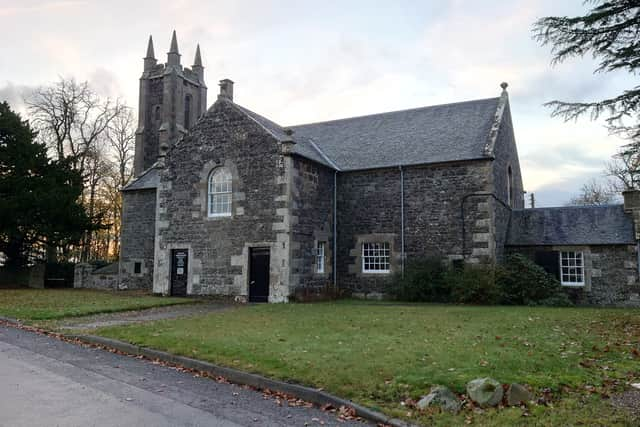
Co-ordinator Henry Broadhurst said Monimail Church was marketed from January 10 this year – with a closing date of February 7.
“There were just a few weeks in which the building was on the market,” he said.
“We needed time to get the views of the community on options for the building, and we needed time to raise money to make a realistic offer. We were somewhat desperate. We wanted a proper chance to make a proper bid.”
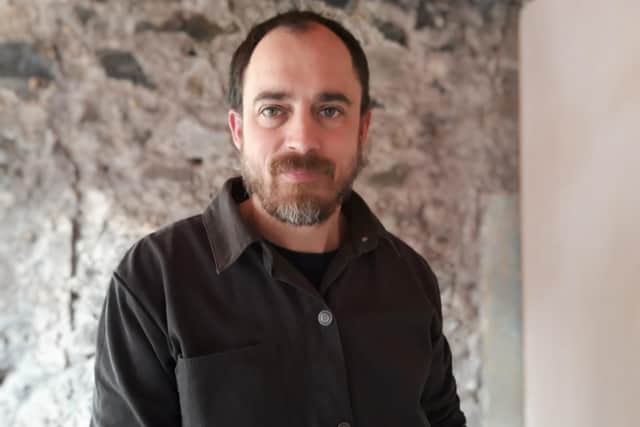
The community group raised £50,000 through fundraising, but far off the £220,000 target.
Mr Broadhurst said while the local minister and members of the congregation were “incredibly warm and helpful”, he described communicating with the Church authorities as “cloak and dagger and very opaque.”
“In the end, it seemed to me that they were only interested in the maximum money - and I understand that the Church needs the money.
“But I’d have thought they would at least be interested in helping the community given it was such a big part of the history of the church.”

Earlier this year, the Farr North Community Development Trust (FNDT) was keen to purchase Bettyhill church and manse in Sutherland.
FNDT development officer Joan Grant-Reid said she contacted the Church authorities in Edinburgh but found it “difficult” to get hold of them.
Ms Grant-Reid said the FNDT were told in March there was likely a six to nine-month window before the properties went on the market, which they felt was a sufficient timescale.
Two months later, however, she said the community was warned it could only be two to three weeks before the church and manse went up for sale.
The FNDT said it asked the Church headquarters for more time to prepare, but the request was declined.
The church is on sale for £48,000 and the nearby manse for £235,000 with a closing date for offers being August 22.
“All the time we found it difficult to get answers,” Ms Grant-Reid said.
“In the end we had no clarity around deadlines, and the timescales were far too tight for any community group.”
‘A lot of stress and heartache’

Fife-based architect Tom Morton has experience working on community-led projects to restore old church buildings across Scotland.
He acknowledged the challenges for communities when buying high-upkeep properties, saying the sale of other public buildings often follows the same pattern of a hasty sale for maximised profit.
But the architect described Church of Scotland’s purchase process as “a minefield.”
“Some great community projects have fallen by the wayside unnecessarily because of accelerated processes and poor communications,” he said.
“These failures have caused a lot of stress and heartache in sometimes vulnerable communities.”
Mr Morton said the Kirk’s sale process has led to a “missed opportunity” in the culture of Scotland’s built environment.
“The Church has known for 25 years that it was going to have to sell a lot of properties in the heart of communities across Scotland,” he said.
“It could have taken a strategic approach, set up a managed, transparent process that people could understand, established pathways for communities, provided guidance that was clear and accessible for all.”
Mr Morton added: “The Church of Scotland was historically ‘of the congregations’ - socially, emotionally and spiritually. These were cultural institutions of the local community.
“But now the Church buildings seem to be simply treated as an asset in a central property portfolio. It is kind of a betrayal of the historic and cultural investment by communities down the generations.”
The Church said it is in regular contact with organisations including Development Trust Association Scotland and the Scottish Land Commission over sales of its buildings.
A spokesperson for the Church said: “Presbytery Mission Plans, which detail proposals for when church buildings will be released for sale, have been in the public domain for several years now and our experience is that local communities are generally well aware of them.
“This is apparent because where an off-market transfer has been successful, the community body has made an early approach to the General Trustees, even before the formal sales process has started.”
They said congregations and community benefit from proceeds of property sales as the money is invested in other local buildings retained by the Church.
Comments
Want to join the conversation? Please or to comment on this article.