
Exclusive:By-laws considered to block public access to fields during lambing in Scotland
With lambing season underway for some, farmers are on alert when it comes to dogs out in the countryside.

By-laws could be used to restrict public access to fields during lambing season in Scotland, an SNP MSP has suggested.
It comes after UK figures showed that farm animals worth £1.95 million were seriously injured or killed by dogs last year, a 10 per cent rise on 2024.
Under existing rules—the Land Reform (Scotland) Act 2003 and the Scottish Outdoor Access Code—members of the public are legally obliged to avoid disturbing livestock, especially during the lambing period.
Meanwhile, the Dogs (Protection of Livestock) (Amendment) (Scotland) Act 2021 gives farmers powerful legal protection, with dog owners facing fines up to £40,000 and up to 12 months in prison if their pets chase, attack, or cause distress to livestock.
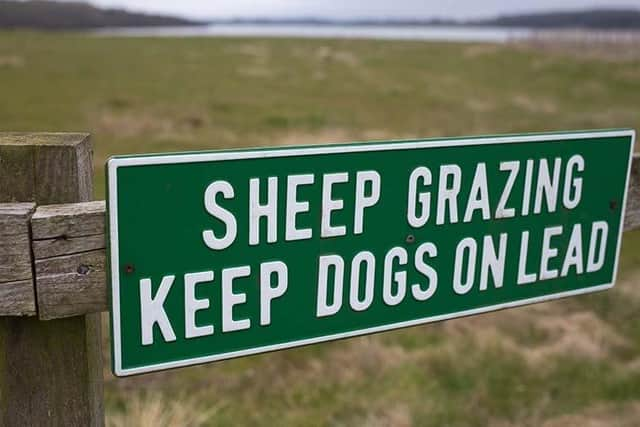

SNP MSP Emma Harper hinted that more could be done. Speaking to The Scotsman, she revealed she had explored introducing by-laws that could temporarily block access to areas where lambing is underway, a move aimed at preventing avoidable incidents.
The warning comes as the UK’s leading rural insurer, NFU Mutual, released the latest figures on the cost of livestock worrying in the UK.

Across Britain last year, farm animals worth £1.95 million were seriously injured or killed by dogs, a 10 per cent rise on 2024.
A survey of 1,407 dog owners revealed that 57 per cent let their dogs off-lead in the countryside, while 10 per cent admitted their dog had no recall and 44 per cent said their pets returned only “some” or “most of the time.”
One in 20 confessed their dog had chased livestock, while over 60 per cent believed others in their area failed to take livestock worrying seriously.

Despite this, 72 per cent of respondents said they were not actively taking steps to prevent their dogs from chasing and almost two-thirds said they do not believe their dogs are capable of harming or killing animals.
Meanwhile, Scotland has seen a notable decline in the cost of livestock worrying, down 28 per cent to £74,000 in 2025, compared with £102,000 in 2024.
Ms Harper welcomed the figures for north of the border, crediting the 2021 Act, which she introduced, saying it has given farmers “meaningful protection at a time when it is most needed by our rural communities”.
She added: “It’s still worrying, though, that two thirds of dog owners believe their pet couldn’t harm livestock, and many still let their dogs off the lead in the countryside without the dog having reliable recall.
“Some even admit their dog has chased livestock. This reinforces why my legislation updated the outdated term ‘worrying’ to the much clearer and more modern definitions of chasing, attacking or killing.”
Ms Harper said some local authorities across Scotland have created enclosed areas where dogs can be exercised off-lead and away from livestock.
“I have also explored whether by laws could be used to temporarily limit access to specific areas during lambing season to help prevent these avoidable incidents,” she said.
MSPs have previously said that, despite the more robust legislation on dogs in Scotland, conviction rates and fines for livestock worrying have remained low.
Figures from the Scottish Government show in the year 2024 to 2025, there were 57 reported incidents, with just six people prosecuted and two convictions.
The data was disclosed in response to a parliamentary question from Scottish Conservative Highlands and Islands MSP Tim Eagle, who has been vocal on the issue.
The figures also showed that of the 24 convictions made out of 239 reported cases between 2021 and 2025, the highest recorded fine was £400.
NFU Mutual rural affairs specialist, Hannah Binns, said: “As a sheep farmer’s daughter, I know first-hand the hard work, long hours and emotional investment that goes into the lambing season. For farmers and their families, witnessing these horrific incidents or finding injured or dead livestock after an attack can be utterly heartbreaking.
“Farmers across the UK are living with the constant fear of repeat incidents, which cause immense suffering to livestock and can traumatise all involved in dealing with the aftermath. Anecdotally, we continue to hear reports of dogs injuring or killing sheep while owners are either unable to control their pets or are nowhere to be found.
“Ignoring the risks is never an option; regardless of breed, size, or temperament, all dogs can chase, injure or kill livestock. Even without physical contact, the stress of being chased can lead to exhaustion and stress, and in some cases separate young lambs from their mothers, which can lead to them being orphaned.
“It is crucial dog owners act responsibly by keeping their pets on leads wherever livestock may be nearby to prevent these needless attacks.”
The National Farmers Union Scotland (NFUS) welcomed the decrease in cost of livestock worrying north of the border.
An NFUS spokesperson said: “The legislation introduced in 2021 was a positive step, and it is encouraging to see other devolved nations following Scotland’s lead. However, it remains vital that this legislation is applied fully, with both police and public having a clear understanding to ensure the message is effectively communicated.
“Despite this progress, we continue to receive significant reports from our members of livestock attacks on their farms. We support the messages outlined by NFU Mutual and remain committed to raising awareness about the impact pets can have on livestock, farmers, and their livelihoods.”
Heavily influenced by the dog Act in Scotland, the UK Government passed the Dogs (Protection of Livestock) (Amendment) Act earlier this year. The move followed prolonged industry campaigning, granting police enhanced powers to address dog attacks on farm animals in England and Wales.
Comments
Want to join the conversation? Please or to comment on this article.