
Border lockdown and PCR tests as Scotland fights to stay UK’s only bluetongue-free nation
Scotland is the only UK country currently considered Bluetongue-free


While midge season brings a sense of dread for many, for livestock owners, it is potentially a fatal few months for their animals.
The spread of Bluetongue (BTV), a viral infection affecting ruminants such as sheep, cattle, deer and goats, is expected to pose a growing threat to Scotland in the warmer months ahead.
The country remains officially classified as a “bluetongue-free area”. Yet industry figures warn that this status may be short-lived. With England, Wales, Northern Ireland and the Isle of Man now designated restricted zones following a rise in cases over the past year, many believe its arrival north of the border is inevitable.

Scotland’s chief veterinary officer, Sheila Voas, has already cautioned that the virus reaching Scotland is “inevitable”, urging farmers to remain alert to early signs of infection.
BTV is spread by biting midges, meaning a single insect can transmit the virus from one animal to another. It means risk is particularly high for farms in the south of Scotland, and to animals that travel cross-border for show or trade purposes.
The disease can cause swelling, lameness, deformed lambs or calves at birth and even death. It affects both adult and young animals and is considered more fatal for sheep, with experts saying cows can often be asymptomatic. Owners have been warned the disease can impact alpacas and llamas. Officials confirm BTV poses no risk to humans and is not a food safety concern.
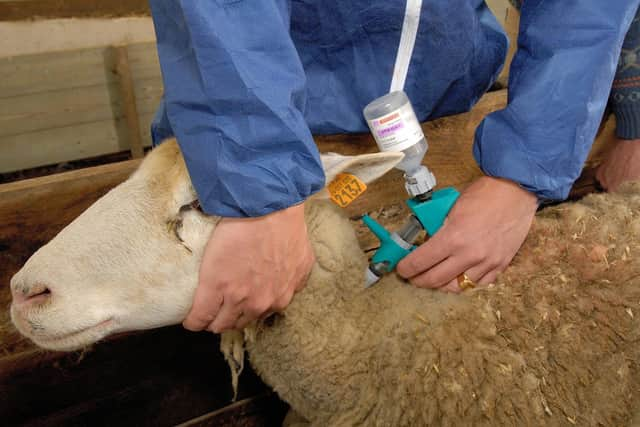
In response, the Scottish Government has introduced seasonal controls. From June 1 to September 9, livestock entering Scotland to reside must undergo PCR testing, while animals travelling south are restricted in how long they may remain in affected areas. The dates may yet be adjusted should warmer weather extend the midge season.
While there were some measures in place in Scotland last summer, they were not as a defined as the new regulations.
The agriculture minister, Jim Fairlie, has urged farmers to consider vaccination. Writing to the sector last week, he said: “This disease may well eventually enter Scotland, but we can implement controls to help reduce the risk of the virus arriving.”
The implications are already being felt across the rural calendar. Agricultural shows in southern Scotland are weighing whether to accept entries from restricted areas.
Organisers of the Royal Highland Show said entries from affected regions are still permitted, provided the latest Scottish Government rules are followed, and that the situation is being kept under review.
Catriona Brown, competitions manager at the Royal Highland and Agricultural Society of Scotland, said: “Our priority is to ensure a safe Show for everyone involved, and we are working in partnership with the Animal and Plant Health Agency and the official Show vet to ensure the right policies and procedures are in place.”

Organisers of Border Union, Kelso, said the entrants from England were not accepted at the show last year because of the virus. But a spokesperson for the event said entrants could be accepted this year if the animals are tested.
“It’s just whether we accept them or not,” she said. “That’s something that we are still looking into and we’ll make a decision around the middle to the end of April.”
Marcus Maxwell, who farms 3,000 Romney sheep in New Galloway in the south of Scotland said while the flock were not vaccinated last year, he is considering it this year because of BTV.
“It’s got to be a good thing bringing in some restrictions to limit anything coming into Scotland from an infected area,” he said.
“We have a great chance of keeping Scotland free of bluetongue. With so much livestock moving around the country, we should be more wary.
“It’s the sort of virus that, until you’ve seen it, you don’t think it’s too bad — but it will be if it gets here.”
The concern is comes after recent experience of another midge-borne disease, Schmallenberg virus, which caused significant losses on some Scottish farms last year. The disease, while not as fatal as BTV, causes malformations and stillbirths in livestock.
Michael Goldie, a fifth generation farmer and group secretary for the National Farmers Union Scotland (NFUS), lost two thirds of his lambs last year to SBV. But he told The Scotsman it was BTV that he was “petrified” of.

The National Sheep Association Scotland said it recognised the Scottish Government was prioritising protecting the country’s flock and that ministers had to balance disease risk, trade considerations and the wider evidence.
A NSAS spokesperson said: “We will continue supporting farmers to understand the new requirements and to plan movements accordingly during the control period from 1 June to 9 September 2026.”
Meanwhile, the Institute of Auctioneers and Appraisers in Scotland (IAAS), said it was disappointed in the Scottish Government’s announced regulations for the summer months saying they will have “a significant impact” on members and farming customers.
The industry body claimed the restrictions risked impacting around 50,000 animal movements and £35m of livestock values during the period of 1 June to 9 September.
IAAS executive director Neil Wilson said: “In recent consultation with Scottish Government, we recommended a focus on vaccination would be the most progressive policy for trade and livestock protection. With the virus confirmed in Northern Ireland and the Isle of Man, it is likely to be only a matter of time before it reaches south-west Scotland through infected midges, regardless of restrictions on movement.
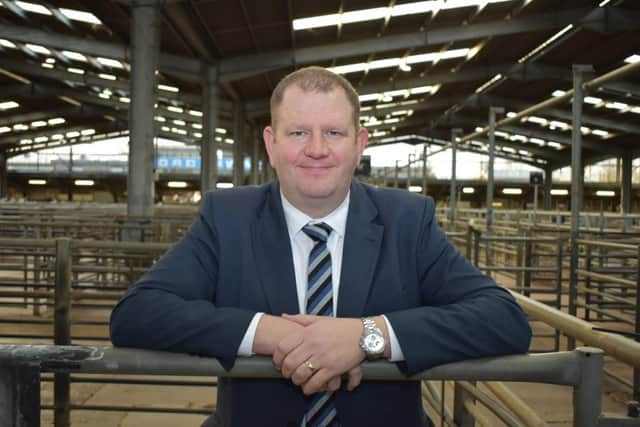
“It is regrettable that the Scottish Government has not adopted this approach, nor fully considered the economic repercussions at a time when geo-political issues are already causing significant inflationary pressures at the farm gate and in the supply chain.”
Bluetongue was first detected in the UK in 2007 and the country was declared disease-free in 2011 following a successful vaccination campaign. A new strain, BTV-3, was identified in England in November 2023, having first emerged in the Netherlands earlier that year, and has since spread across Europe and into the UK.
Comments
Want to join the conversation? Please or to comment on this article.