
'Bad news' for Orkney island after stoat discovered for first time

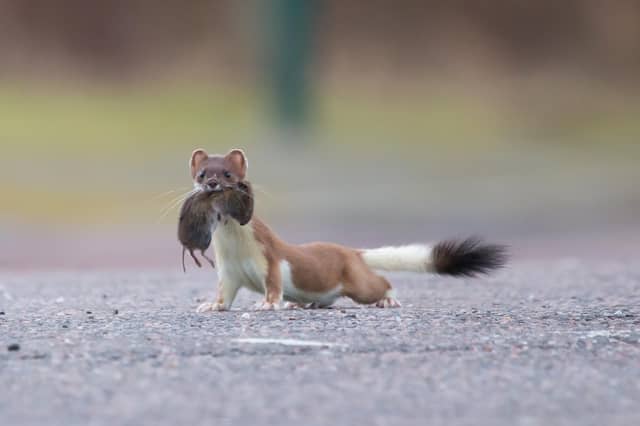

Efforts are underway to trap the creature
A stoat has been found on one of Orkney’s smaller islands for the first time, sparking concern for the native wildlife population.
The mammal was caught on camera on the northern island of Rousay with attempts now underway to find it using dogs, AI cameras and extra traps.
Stoats, an invasive, non-native species, eat eggs and chicks and pose a severe threat to the island’s ground-nesting birds, wildlife experts have said. They also impact hen harriers, one of the UK’s rarest bird of prey, and short-eared owls through competition for their favourite food – voles – as well as posing a threat to the Orkney voles themselves.
The mammals were first spotted on Orkney mainland in 2010 and then on linked South Isles and have no natural predators.
It is believed it may have got to Rousay by swimming the stretch of water between the island and the mainland.
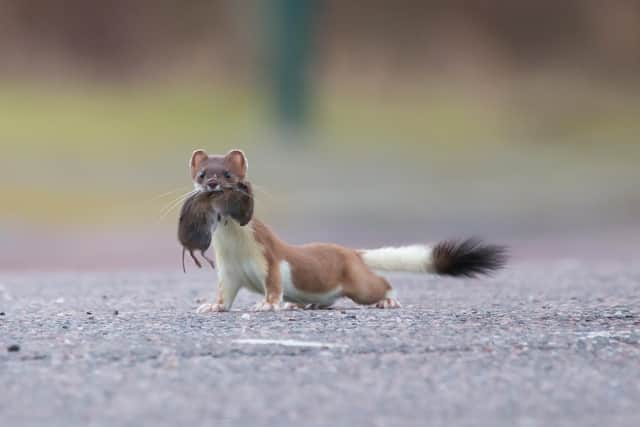
The trail camera which captured the stoat on Rousay was laid by the Orkney Native Wildlife Project (ONWP) as part of an ongoing response to a potential sighting.
The ONWP, which is run as a partnership between RSPB Scotland, NatureScot and Orkney Islands Council, said how the stoat got to the island remains unconfirmed, but “Rousay is definitely a swimmable distance from the mainland for a stoat.”

A statement from ONWP described the discovery as “bad news”.
It added: “This is really concerning news for the community, nature and the whole of Orkney.
“Even by Orkney’s high standards, Rousay is an important place for nature - from breeding seabirds to birds of moorland, peatland and lochans like curlews, red-throated divers, hen harriers and short-eared owls. It’s also one of the nine islands in Orkney that is home to the Orkney vole, found nowhere else on earth.
“As part of the response we have additional traps, cameras including AI cameras and dog searches happening as we work to remove the stoat and get a better understanding of the situation.”
Members of the public and visitors to the island have been asked to be extra vigilant and report any potential stoat sightings on Rousay immediately.
The ONWP has been leading an ongoing multi-million pound stoat eradication project for about seven years. Since 2019 more than 8,500 stoats have been removed using humane lethal traps and Europe's first stoat detection dogs.
Critics, including leading wildlife and conservation experts, have argued the project has taken too long, is too costly, and has failed to meet its initial objectives quickly enough, with some calling it a "flop" and a "waste".
One of those, conservationist and moorland expert Ian Coghill, has previously claimed the issue could initially have been resolved cheaply and quickly by experienced gamekeepers, but instead escalated under the RSPB’s management despite significant funding.

Orkney wildlife expert Martin Gray, told The Scotsman: “It's a real shame but in no way a surprise.
“This outcome has been on the cards since day one, but this is where all the strategic effort put into biosecurity monitoring shows its worth. It remains a tragedy that after eight and a half years of eradication pressure, thousands of hours of effort, and a healthy eight figure-sum spent that the known core populations on the mainland are still going strong.”
Globally, invasive non-native species have contributed to 40 per cent of animal extinctions in the last 400 years. On islands, this number goes up to 60 per cent.
The ONWP said it looks to New Zealand for lessons about stoats. Stoats were introduced to the island in 1884 to control rabbits with catastrophic consequences. While rabbits remain a problem, stoats contributed to the extinction of New Zealand’s laughing owl, mātuhituhi, and South Island Kōkako, all within 100 years.
Today, the mammals continue to threaten the iconic kiwi. Despite an array of invasive predators in New Zealand, this record has earned stoats the title of “public enemy number one” from the country’s Department of Conservation.
Comments
Want to join the conversation? Please or to comment on this article.