
Scots teachers 'forced to take second jobs as delivery drivers' - NASUWT survey

Scottish teachers claim they cannot make ends meet on their salaries - and are forced to work second jobs
Teachers in Scotland claim they are having to take on second jobs to make ends meet, despite securing a 4.27 per cent pay deal from the Scottish Government.
Staff say they are working nights and weekends as delivery drivers, bar and shop staff to supplement their income, a new survey has indicated.
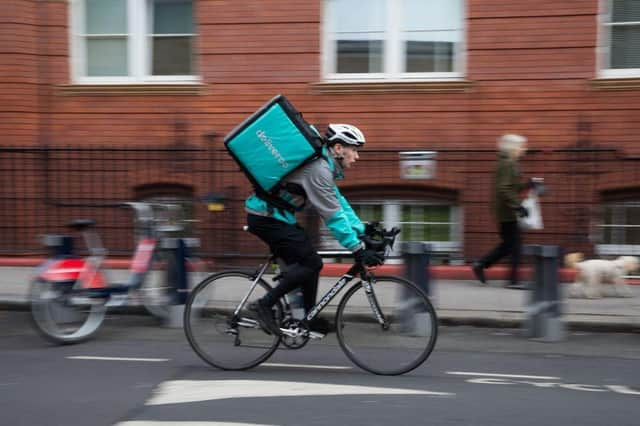

The NASUWT teaching union, which carried out the survey, said staff are facing “unique challenges that demand unique solutions”.
A third of respondents said they were “very worried” about their financial situation, saying they are struggling to pay energy bills, buy food or build savings.
Some 14 per cent - about one in seven - teachers surveyed said they had taken on additional work to deal with the economic strain they are experiencing.
As well as the more usual side jobs such as tutoring and exam marking, school staff reported working as delivery drivers, bar staff and in shops. Last year the figure was 11 per cent.
Figures from the union found more than half of teachers surveyed have increased their use of credits cards - up from around a third the year before. Some 72 per cent said they had cut back on food expenditure, a rise from 54 per cent the previous year.
In September last year, Scottish teachers secured a pay rise of 4.27 per cent backdated to August, making the starting salary over £40,305, rising to £50,589. Depute and headteacher salaries now start at more than £60,000, rising to a maximum of £115,539.
Mike Corbett, NASUWT national official for Scotland, said: “We have an unstable job market that fails to produce permanent roles for a high number of teachers, especially those earlier in their careers.

“Then we have violent and abusive behaviour in classrooms, skyrocketing workloads, and when teachers want to support their pupils with ASN [additional support needs], we’re not able to give them the resources they need.
“It feels like we’re setting Scottish teachers up to fail.”
Some teachers reported spending their own money on food and school trips to support disadvantaged pupils and create equal opportunities for all the pupils in their classes, adding further pressure to their personal finances.
Mr Corbett said: “Time is running out to offer teachers basic job security, safety in the classroom, and a salary to match their skills and workload. If the Scottish Government wants to keep teachers in the profession, they need to do better – and they need to do it now.”
NASUWT said 31 per cent of teachers surveyed were “very worried” about their finances, up from 27 per cent last year.
Some 45 per cent have cut back on essential household items, up from 36 per cent last year, while 66 per cent have stopped saving, up from 61 per cent last year.
Of those questioned, 37 per cent claimed they were finding it difficult to cover energy bills, up from 28.8 per cent last year.
Matt Wrack, general secretary of NASUWT, called the situation a “shameful state of affairs”. He said: “The Scottish Government needs to face facts - the cost-of-living crisis is only getting worse.
“We have one of the most developed economies in the world, yet our teachers, who already work long hours, are taking on second jobs to cover the basics.”
Mr Wrack said the union was now asking the government and council umbrella body Cosla to stop “dragging their heels” on negotiating the 2025/26 pay award for teachers, calling for “full pay restoration”.
He said: “We need a long-term, sustainable package that allows teachers to focus on the essential work of educating children. Right now, we have too many teachers worried about putting food on the table and keeping the lights on.”
A Scottish Government spokesperson said: “Scotland’s classroom teachers are currently the best paid in the UK. Furthermore, the top of the main grade scale for classroom teachers has increased from £37,575 in April 2018 to £50,589 in August 2024.
“The Scottish Government values the hard work of teachers, and the current offer represents a fair and affordable deal.
“We would urge teaching unions to put this offer to their membership, so that the pay increase can be made timeously to Scotland’s hard working teaching profession.”
Comments
Want to join the conversation? Please or to comment on this article.