
Yet another setback for care in Scotland – how much more can we risk?
This week’s confirmation that the overseas care worker visa route will be closed as part of wider immigration reforms lands as yet another blow for a sector that has long carried more than its fair share of burden.
While the ambition to build a strong, sustainable, homegrown workforce is one we wholeheartedly support—and one that aligns with wider UK Government objectives—the sudden removal of this international recruitment pathway leaves a critical gap, without a clear plan to fill it.
For years, international recruitment has helped keep care services running in Scotland, often stepping in where local workforce shortages persisted. While not without challenges such as higher recruitment costs and additional training, the contribution of international workers has been — and must continue to be — an essential part of delivering high-quality care across the country. They are a vital asset and a true credit to our social care workforce.
Removing it abruptly, with no contingency, risks the collapse of essential services and further demoralises those still holding the system together.

What we ultimately need, and have done for several years, is a long-term strategy, coordinated action, and genuine investment in people. The sector needs practical pathways into care roles—pathways that include fair pay, career development, training, and meaningful support for those transitioning into work. Until these conditions are met, we cannot realistically expect local recruitment alone to meet demand.
For care providers like Oakminster Healthcare, which has been delivering resident-focused care for three decades, this latest decision moment is disheartening to say the least. It feels like a step backwards. Our teams have worked tirelessly to create inclusive environments and significantly invested in training to support staff from diverse backgrounds. But all of this becomes harder if we lose the flexibility to recruit where the talent is - particularly when we’re already facing significant domestic recruitment challenges.
If we could meet all our staffing needs locally, we would. But the reason social care roles remain on the Shortage Occupation List is because that simply isn’t possible right now. The question policymakers must answer is this: if not from overseas, then from where?
We believe this is a chance to reset to work together to shape a future where care work is recognised for what it truly is: vital, skilled, and dignified. That means rethinking how we support people into care roles and how we remove barriers that keep too many from taking those first steps into employment within the sector. It also means recognising the vital importance of partnership. No single organisation can tackle this alone. It will take genuine collaboration - across government, the NHS, and both the public and private sectors - to build a thoughtful, long-term strategy that secures the future of our care workforce. Without the people who deliver care, there is no social care.
At some point, every one of us, or someone we love, will need social care support. It’s not something we can pause or patch over. It is the backbone of a fair and compassionate society.
If we are serious about building a strong, homegrown care workforce, we must approach it with honesty, respect, and a shared plan—one that includes the voices of those delivering care on the ground every day.
We want change but not change that erects yet more barriers that make the sector harder to work in, deterring talented individuals from the exciting career opportunities it offers. Above all, we must ensure the right people are in place to deliver the high-quality care our communities deserve. Yet this latest decision simply adds another obstacle and does nothing to revitalise a sector that desperately needs it.
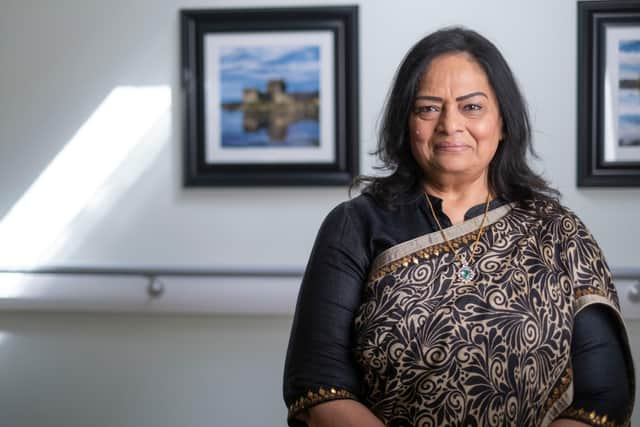
Sunita Poddar, CEO and Founder of Oakminster Healthcare.