
Why this Glasgow property firm boss warns businesspeople to never trust ‘expert’ forecasters
“We have never reinvented the wheel, simply found ways to make the wheel better.”
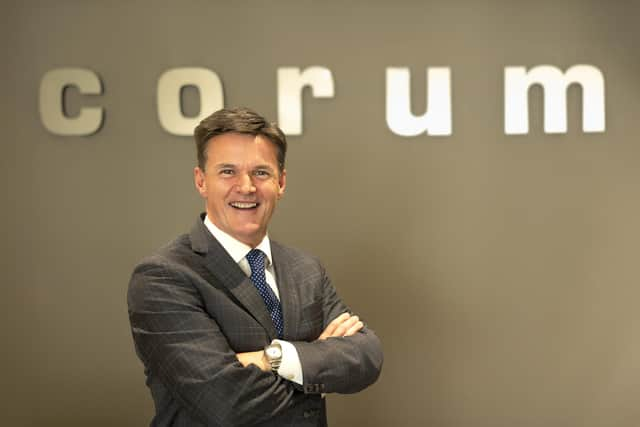
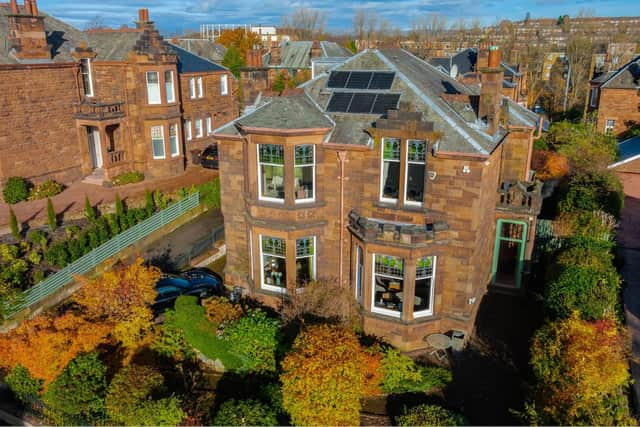
John Kelly is managing partner at Glasgow-based, high-end estate agent Corum Property, which the industry veteran founded in 2003, and has grown to a major presence in the west of Scotland, complemented earlier this year by a new office in Bearsden. It recently highlighted that it was selling a four-bedroom villa in the Jordanhill School catchment, at offers over £1.1 million, saying this dovetailed with much appetite for homes of at least seven figures, also coming as interest rates remain at 5.25 per cent, but with many expecting a cut in the coming months.
Can you explain why you founded Corum, and pick out any key moments so far, high and/or low points?
There was a significant gap in the market for a more tailored and personalised approach to the marketing and sales of property. Most people see their homes as their most valuable personal asset, and I felt a knowledgeable, quality agency could help them realise the best price.

The early days were all about proving our value proposition in a competitive market, and always looking for ways to innovate – we were the first to use colour ads in our paid-for press advertising, for example. Once we’d established our brand, we soon had to navigate the 2008 financial crisis, and focused on adapting our strategies and deepening our client relationships, which paid off in the long run.
The uncertainty before the Scottish independence referendum in 2014 posed a challenge, however once again it reinforced the importance of connection to clients and providing stability and reassurance. And we were amongst the first to use social media to build our brand, and not just as a sales tool. Most recently, we faced the economic fallout from Trussonomics – Liz Truss’ short-lived and disastrous spell as prime minister. As before, we adapted and it became a catalyst for growth.
We certainly didn’t welcome any of those challenges at the time – but the creativity shown in the adaptations we made ultimately made us fitter, smarter, and more efficient. We have never reinvented the wheel, simply found ways to make the wheel better.
You recently opened a Bearsden office, while you cite your staff’s on-the-ground knowledge as a big advantage. How important is having a bricks-and-mortar space in an increasingly digital world?
Having a physical presence remains incredibly important, digital can make things more efficient and scalable, but ultimately nothing beats face to face and genuinely being a part of the local community. Our local offices are not just about having a physical space; they symbolise our commitment to the communities we serve.
Corum says it sold more than £750m worth of property last year, despite interest rates hitting a 15-year high. What factors were key in reaching this total, and what is your forecast for this year amid a potential rate cut?
Home-ownership has enduring appeal, and while market conditions may slow occasionally, life continues and the need for more suitable homes remains. People want to live and work in areas rich in amenities, and are willing to invest in properties that offer a high quality of life, burgeoning families have a focus on healthier lifestyles and seek first-class education, downsizers need more manageable spaces – these are a key factor behind our expansion as a business.
I believe we will see continued growth. We expect to increase the total value of our sales by around 10 to 15 per cent this year, with similar incremental growth into 2025. The potential rate cut could further stimulate the market, making home-ownership more accessible and attractive to a broader audience.
How has people’s emotional attachment to their homes changed since Corum started?
The changing face of work-life balance, increased cost of living, and the resulting pressures have reinforced the value of owning a home. People now seek homes that are fit for all purposes – work, leisure, education, and socialising – and are now more selective about where they live.
Looking at the Glasgow market, the city earlier this year ranked in the top ten most expensive streets in Scotland. What is your outlook for its property market?
Despite recent significant capital gains, Glasgow still offers excellent value for money compared to most major European cities. The quality of life, cultural diversity, and the booming financial and professional services sectors make it an attractive place to live and work, and desirable areas including the West End, South Side, and suburbs such as Newton Mearns, Bearsden, and Milngavie are as popular as anywhere in the UK.
We anticipate further progressive increases in property values. There is ample scope for growth, and we expect the market to remain robust and vibrant.
You’ve also been expanding your geographic remit to Bothwell. Can you give any more detail on further expansion plans, would you like to be present across Scotland?
It’s part of our ongoing organic growth, which remains unsated. We are always looking for areas where there is demand for our services, and the availability of the right people and premises to deliver on our high standards. Our long-term plan is to continue expanding our footprint across Scotland, but we are very selective about where and how we grow.
Do you have any plans for mergers and acquisitions?
We are open-minded and will explore any options – mergers and acquisitions could be a part of our growth strategy if they align with our vision and values. Given our strong organic growth, we are fortunate to be able to be selective.
What is the most important lesson you’ve learned in business?
Never trust “expert” forecasters – it's crucial to continually monitor and evaluate your own data, manage the details, and set your own goals irrespective of the naysayers. Always recalibrate your definition of what “good looks like”, be your own worst critic, and, most importantly, try to enjoy the journey.
Comments
Want to join the conversation? Please or to comment on this article.