
Why it's no surprise that the Scottish housing market is slowing
David J Alexander is confident that the current softening in the sector will be followed by further growth in the near future
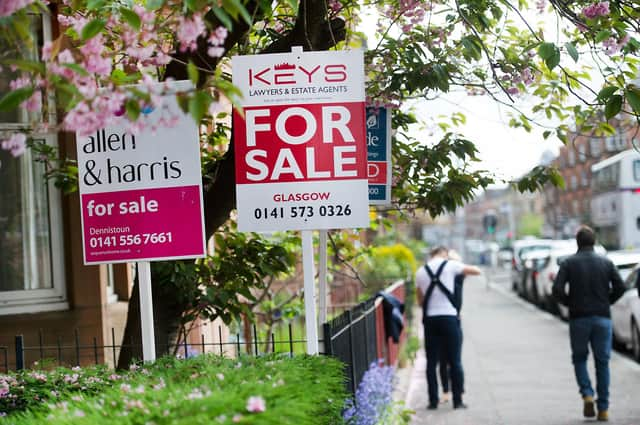
After a prolonged period of rising house prices in Scotland there are signs that the market is softening. The latest figures for the period between March 2025 and February 2026 showed average prices rising by £3,532 from £183,152 to £186,684.
This was a 1.9 per cent increase over the year but is higher than England and Wales where average prices fell by £1,742, which was a drop of 0.6 per cent over the same period. The peak occurred in November 2025 when average prices reached £193,044 and have fallen back by £6,360 which is a drop of 3.3 per cent in just a few months. A similar pattern is occurring across the whole of the UK, with England and Wales already seeing average prices lower than a year ago.
Within these figures there are wide variations in price rises with Inverclyde recording the highest increase of £11,422; East Dunbartonshire rose by £10,880; Moray up £10,303; Renfrewshire £10,138 higher; and South Ayrshire increasing by £9,727.

Meanwhile, at the other end of the scale, five areas recorded price falls. In Aberdeen prices fell by £7,517; in East Lothian down £2,352; Highland dropped £2.044; Stirling dipped by £344; while Midlothian saw the smallest reduction of £196.
The most expensive place to buy a home in Scotland is Edinburgh with an average price of £294,990; followed by East Renfrewshire at £287,760; East Lothian on £277,947; Midlothian at £272,025; and East Dunbartonshire on £264,786.
While these figures clearly show that the housing market is slowing in Scotland why is this happening and what will occur in the coming months and years?
This softening of the housing market is to be expected given the slower fall in interest rates, the cost-of-living crisis facing the UK economy at present, and the steady rise in levels of unemployment. What is of greater concern is that these numbers cover the period prior to the invasion of Iran by President Trump so we can expect to see a further softening in the housing market when the anticipated higher costs from rising fuel prices start to filter through into the wider economy.
On a more local scale there are also signs that some buyers may be priced out of the city centre market and are escaping to the surrounding areas. The substantial rises in areas such as Inverclyde is unexpected as it is the cheapest area to buy in Scotland and these figures show an increase of 11.3 per cent in a year, which is very high. But this is perhaps a reflection of the much greater prices reached in areas surrounding Scotland’s two major cities.
Around Glasgow many places have performed well with increases around the £10,000 mark highlighting greater demand while rural areas have again performed well, with Moray and the Borders doing particularly well. This could reflect the increasing number of people who predominately work from home and can take advantage of living further from cities.
It is important to remember that house prices rarely rise continuously. They generally do increase over time but there is always something of a rollercoaster effect of prices increasing and then falling back slightly. However, I have no doubt that this softening in the market will be followed by further growth in the near future.
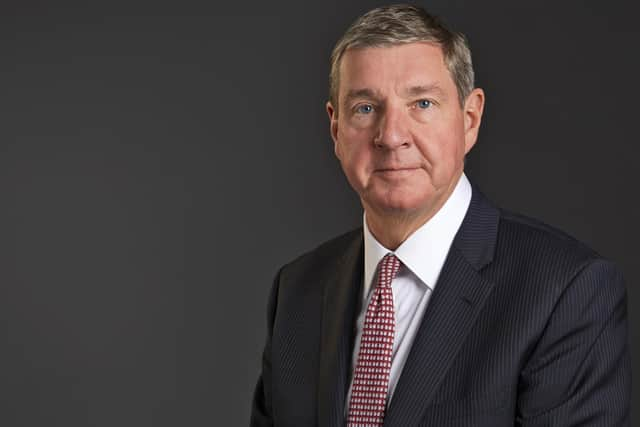
David J Alexander is CEO of DJ Alexander Scotland Ltd
Comments
Want to join the conversation? Please or to comment on this article.