
UK inflation jumps to 3.4%: What this means for mortgages and interest rates
“For savers, rising inflation highlights evermore the problem that inflation can quickly chip away the real value of cash savings” – Kevin Brown, Scottish Friendly
Hopes for a cut in interest rates at the start of next month and a further easing in mortgage costs appear to have been dashed after a fresh spike in inflation.
Experts said mortgage rate-cutting momentum “could stop in its tracks” following the news that inflation bounced back in December as tobacco duty hikes and Christmas getaways helped push up the cost of living.
Official figures showed that the annual measure of consumer prices index (CPI) inflation rose to 3.4 per cent last month from 3.2 per cent in November. It marks the first time in six months that the headline CPI rate has risen.
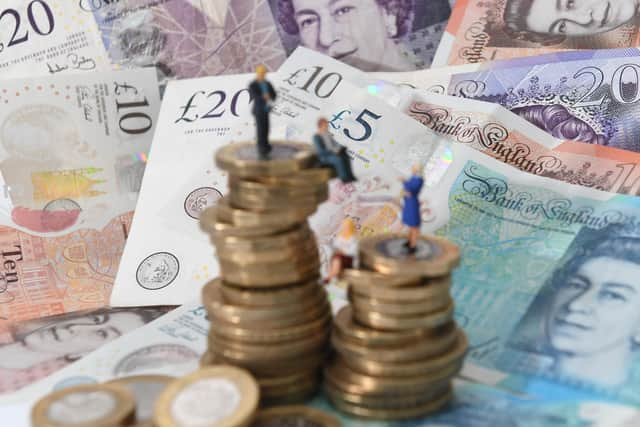

Inflation has been static or falling since the summer, and had fallen sharply in November following an easing of rising food costs.
The Bank of England’s monetary policy committee, which aims to keep the annual inflation rate at around 2 per cent, is due to meet on February 5 to decide on its next move on interest rates. They were trimmed to 3.75 per cent shortly before Christmas - the fourth reduction of 2025 - with economists anticipating further easing during the course of this year.
However, Peter Stimson, director of mortgages at the lender MPowered, said the prospect of a February base rate cut was “fading faster than many people’s new year gym attendance”.
He added: “As swap rates held steady in the first weeks of January, many of the biggest lenders started 2026 by shaving their fixed interest rates in an effort to steal a march on each other. That rate-cutting momentum could now stop in its tracks and the great deals we’ve seen in recent days may be short-lived.
“With core CPI unchanged at 3.2 per cent and a material jump in the headline figure to 3.4 per cent, inflation is still stubborn. While the overarching trend is downward, the timing is proving tricky.
“All things being equal, the Bank of England is likely to push its next base rate cut back to April or June at the earliest.”
Kevin Brown, savings expert at Scottish Friendly, the Glasgow-based mutual, said: “For borrowers, ambiguity continues. Mortgage rates are still expected to trend down over the year, but today’s data might mean that comes more slowly than hoped.
“For savers, rising inflation highlights evermore the problem that inflation can quickly chip away the real value of cash savings. A short-term rise in prices reduces purchasing power immediately, and cash returns often struggle to keep up over sustained periods,” he added.
The Office for National Statistics said alcohol and tobacco prices rose by 1 per cent between November and December, following a hike to tobacco duties which was announced at the autumn Budget. Increased transport costs was also a major driver of the inflation rise.
The largest push came from air fares, which soared by 28.6 per cent in December thanks to increased demand for travel over the festive period and school holidays fuelling price hikes.
Chancellor Rachel Reeves insisted that 2026 would be the “year that Britain turns a corner” following the latest inflation numbers.
Comments
Want to join the conversation? Please or to comment on this article.