
Too-close encounters of the driving kind
A hi-tech box that senses potential accidents on the road? The dream could prove a nightmare, writes Thomas Mitchell
The sound erupts from my car like an air raid siren. A red image flashes across the dial screen showing a vehicle shaped like mine. “COLLISION WARNING”, the sign reads, followed sharply by application of the brakes.
The seat belt tightens, I fly forward, eyeballs popping, neck straining, trying to comprehend what’s going on and who applied those brakes.
Then, suddenly, the danger passes, the warning disappears, and the car returns to normal operating conditions.
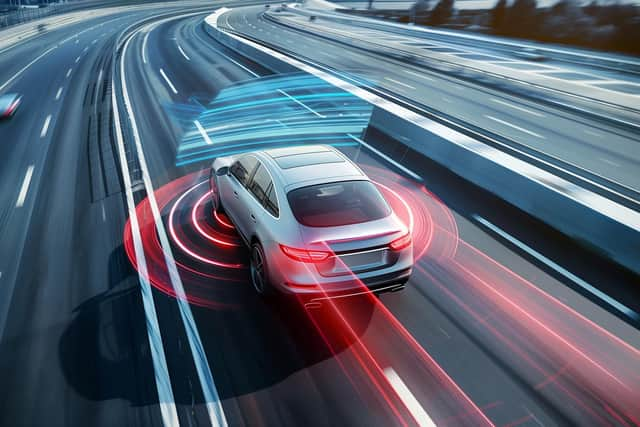

So, what just happened? Well, my car thought both it, and I, were having an accident. It mistook a vehicle parked in a lay-by 50 yards off the A-road I was travelling on for an inbound danger missile ready to collide head-on into us.
This kind of experience is not uncommon for those of us who have vehicles fitted with so-called “collision warning systems”. These systems scan and monitor the road ahead, scouring for danger. Then, if they perceive a threat, the system will take charge of the vehicle by controlling it in some way, be that steering or even braking.
This is where the problem presents itself. The car, not the driver, is making decisions. While, in theory, these systems have a fantastic perceived safety benefit, the reality is a little bleaker. According to Dutch motor insurer Univé, a study of their own damage reports for repair claims found that the frequency of claims by drivers of cars with driver assistance systems was nearly 44 per cent higher in 2024 than in 2023.
A major contributing factor for this trend is that drivers of cars without these systems often choose not to make insurance claims, preferring to deal with minor repairs themselves to maintain a “no claims” bonus. However, drivers of vehicles with collision avoidance systems don’t have this option available as these vehicles are more complex and expensive to repair, meaning the only way for recourse is to utilise their insurance policies.

The increasing complexity of vehicles has made repairs more costly and time consuming. This, in turn, drives up costs. Car insurance in the UK reached a record of £995 on average in Q4 of 2023 and a sharp decrease is unlikely to be seen with more vehicles requiring to be fitted with these collision avoidance systems. The European Union has been pushing the introduction of these “safety” measures for years, with additional regulations taking effect in 2024, mandating that all cars come equipped with Intelligent Speed Assistance (ISA) and an Event Data Recorder (EDR) – a type of “black box” that records data in the event of an accident.
But, will these systems cut road accident numbers or are they just another hurdle for vehicle manufacturers to climb and another cost the motorist will have to swallow when it comes time to pay an insurance premium?
At this present moment, these systems are not intelligent enough to know the difference between a developing hazard and potential hazard.
My message to those touting the virtues of these systems comes courtesy of Jeremy Clarkson, who once quipped, “Speed has never killed anyone. Suddenly becoming stationary, that's what gets you.” Never was a truer word spoken.
Thomas Mitchell is a Partner at RTA LAW LLP