
The problem with package deliveries
Ofcom has noted another drop in customer satisfaction when it comes to deliveries, writes Martyn James
If there’s one subject everyone has a strong opinion about, it’s package delivery companies. At this time of year, the sheer volume of parcels flying around the UK reaches crazy proportions, as we shop for parties and events, get carried away in the sales and start buying what’s on the Christmas list.
Last year a record 4.6 billion parcels were sent – up 8.9 per cent on the previous year. Yet regulator Ofcom has just announced another drop in customer satisfaction and insisted that the industry improve or face additional regulation. Bottom of the list were Evri and Yodel. But not one of the parcel companies received over 60 per cent satisfaction for their service. This isn’t helped by the fact it’s virtually impossible to register a complaint with delivery companies, so the true scale of the problem isn’t being reported.
So as the season of spending dawns, here’s my guide to package delivery and your rights.
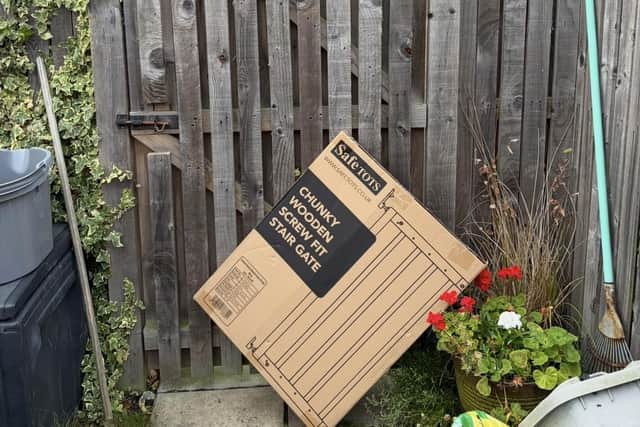

Package delivery – the lowdown
When you buy goods of any kind, your contract is with the shop, not the manufacturer or delivery firm. The retailer is responsible for getting the goods to you as advertised. They are also responsible for refunding you if there’s a problem, or arranging a replacement.
So no matter how angry you are with that delivery app that says your parcel has been delivered when its MIA, don’t despair. The retailer must refund you if the delivery instructions weren’t followed.
If you’re sending a parcel, read the T&Cs. Find out exactly what you are covered for if an item is lost and what the business will do to locate it.
What if the parcel is left somewhere else?
The law is clear when it comes to deliveries. You are not responsible if:
- The parcel is left with a neighbour or at an alternative location.
- The package is left somewhere you haven’t specified and subsequently gets damaged or pinched.
- The goods are broken or damaged and you’ve not opened the parcel in front of the courier.
- The parcel is left in a communal area – particularly if it’s accessible to your neighbours or strangers.
Safe spaces
The majority of disputes over deliveries that I see arise over items left in a “safe space” – the place you’ve told the firm it’s okay to leave your package. If the parcel goes missing from there the retailer is not responsible for the loss. However, I’ve noticed many delivery firms and retailers repeatedly trying to get people to “choose a safe space” even when items haven’t been purchased. Don’t do this! It’s their way of shirking their legal responsibilities.
What if a business claims the delivery has been made?
Unless you’ve ordered cash or contraband items like kitchen knives, you will rarely be asked to sign for deliveries these days. More common is a photograph that “proves” a delivery has been made. A photo of a lonely parcel by a door isn’t proof of a delivery. It might not be your door. And the item may have been stolen after being left. It’s on the retailer to prove it delivered the parcel as per your instructions.
Getting in touch
Regulator Ofcom introduced rules for delivery firms designed to make it easier to contact them.
These rules state that if you complain, you should be told:
- Who to contact.
- Which channels you can use to make a complaint.
- What the complaint process will be, and how long it should take to resolve.
- That the complaint should be dealt with by staff who have appropriate training.
Despite this, it’s still far too difficult to complain to a delivery company – especially if you are the recipient.
Private sellers
A word of warning if you are buying and selling things on online marketplaces, like Vinted. Make sure you follow the delivery and returns rules on the website to the letter. Photographing the process might seem a bit overly cautious, but it helps. Most sites have buyer / seller dispute processes too if there’s a problem.
Martyn James is a leading consumer rights campaigner, TV and radio broadcaster and journalist. For more articles, visit this link.
Comments
Want to join the conversation? Please or to comment on this article.