
SNP’s food price cap ‘a risk to Scottish farmers and food security’
Union warns well-intentioned policy could have damaging unintended consequences, with 81 per cent of surveyed members opposed
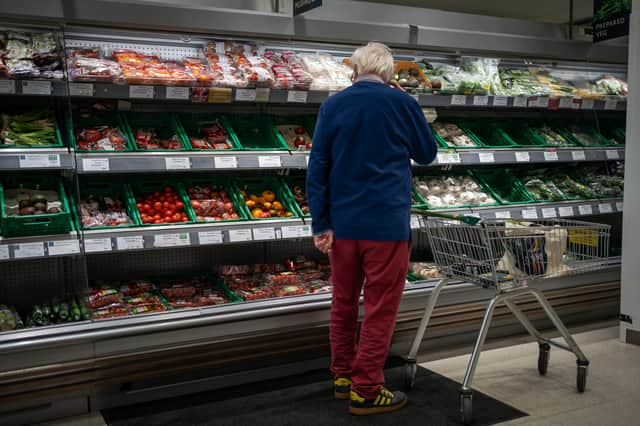
NFU Scotland has strongly opposed Scottish Government plans to cap the price of essential foods, warning that the proposals could force farmers to accept lower prices for their produce, push Scottish food off supermarket shelves and threaten Scotland's long-term food security.

The Union set out its concerns in a submission to the Scottish Government consultation. NFU Scotland says there are no credible or robust safeguards to prevent the costs of price controls being passed back to farmers and crofters.
Its response follows extensive member engagement, including a survey which found that 81 per cent opposed food price controls, while 90 per cent felt they had no influence over the prices they receive for their produce.
The Union also warns that price caps could encourage retailers to replace Scottish produce with cheaper imports, which may not be produced to the same animal welfare, environmental and production standards. It said this risks undermining Scottish farmers who face higher costs to meet these standards, while weakening domestic food production and food security.
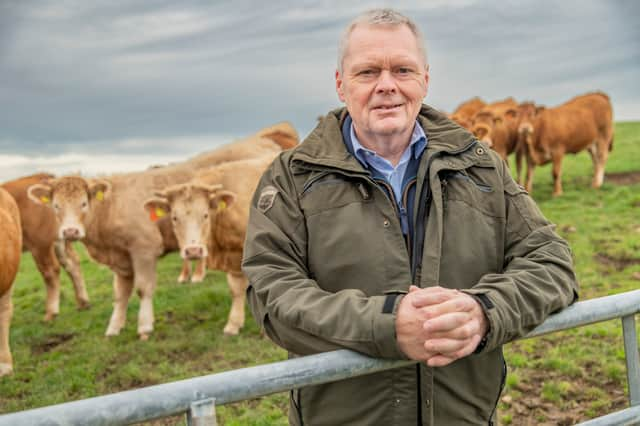
NFU Scotland President Andrew Connon said: "We fully recognise the pressures facing households and the importance of ensuring everyone has access to affordable, nutritious food. However, we have serious concerns that these proposals could have damaging unintended consequences for Scottish farmers, crofters and our wider food supply chain.
"Farmers are not the main drivers of food price inflation, yet there is a real risk they will be expected to absorb the costs of keeping prices artificially low. Nine in ten of our surveyed members tell us they have little or no influence over the prices they receive.
"We welcome the Scottish Government's assurances that primary producers will be protected, but we have yet to see credible safeguards that could deliver that protection in practice. Without that, NFU Scotland cannot support the introduction of food price caps."
The submission highlights the growing gap between production costs and farmgate returns. In September 2026, agricultural input inflation reached 7.8 per cent, more than double consumer price inflation of 3.1 per cent, while agricultural output prices were estimated to be 1.3 per cent lower than a year earlier. NFU Scotland also questions how safeguards could be implemented or enforced effectively, given the complexity of food supply chains. Only 12 per cent of surveyed members believed they could monitor the impact of a price cap on their business.
The Union believes any meaningful protection for primary producers would need to be underpinned by legislation rather than policy commitments, but remains unconvinced that safeguards could prevent pressures being transferred back through the supply chain.
Mr Connon added: "Scottish farmers and crofters need fair returns that reflect the true cost of producing food and allow them to invest in their businesses.
“We are particularly concerned that price caps could encourage retailers to favour cheaper imports over Scottish produce, potentially produced to different standards. That would undermine the very farmers who are working to produce high-quality food to the standards expected here in Scotland.”
NFU Scotland is urging the Scottish Government to reconsider the proposals and pursue approaches to food affordability that protect domestic food production. The Union will also write to Scottish Ministers to reinforce its concerns and seek further discussions on the potential impact on farmers, crofters and Scotland's food security
It comes as the Federation of Small Businesses (FSB) Scotland also warned price caps were likely to put smaller retailers at a competitive disadvantage and put pressure on small Scottish food and drink producers elsewhere in the supply chain.
International evidence suggests price caps can reduce choice for consumers, lower quality and actually push prices up in shops, the business organisation added.
Colin Borland, FSB Scotland Director, said: “Everyone wants food to be affordable, but good intentions alone do not make good policy. The evidence suggests food price caps carry significant risks for Scotland's small businesses, producers and retailers, while offering no guarantee of delivering the lasting reductions in food costs that families need.
“The Scottish Government's own analysis acknowledges that smaller retailers could be placed at a competitive disadvantage and that the costs of any caps are likely to be felt right across the food supply chain. Small businesses are often the least able to absorb those pressures.
“There is a real risk that local food and drink producers will be squeezed out as larger retailers look for lower-cost alternatives. That would be bad news not only for businesses and jobs, but for consumers too, potentially leading to less choice on supermarket shelves and greater reliance on imported products.”
FSB Scotland is instead urging ministers to focus on reducing the cost of doing business and providing direct support to households struggling with the cost of living. The submission highlights the financial pressures already facing Scotland's small business community. FSB's latest Small Business Index found that almost nine in ten Scottish small businesses had seen their operating costs increase over the preceding year, while previous research found that more than one in six small firms made a loss and a further fifth merely broke even. FSB Scotland argues that food prices are primarily being driven by rising costs across the supply chain and that lasting improvements in affordability will only come from addressing those underlying pressures.
Minister for business Tom Arthur said earlier this week: “The purpose of the consultation is to test both the principle of a price cap and how any future scheme could be best implemented.
“Food affordability continues to place pressure on households, particularly those on lower incomes, and it is right that this Government considers what more can be done.
“I have engaged closely with businesses throughout the consultation and when the consultation closes on Tuesday, all views and evidence will be carefully considered.”
Comments
Want to join the conversation? Please or to comment on this article.