
Scottish price hike outlook hits three-year high as cost pressures mount for businesses
“These findings should trouble any politician at Holyrood or Westminster who claims to support economic growth” – Malcolm Robertson, Charlotte Street Partners
Business rate hikes have added to mounting cost pressures for Scottish firms, with seven in ten experiencing increases in the last 12 months, a new survey today reveals.
In the latest quarterly Understanding Business survey of more than 500 Scottish companies, rate increases were highlighted as a contributing factor in rising costs, with other causes including workforce costs and the price of utilities and raw materials.
More than half (51 per cent) of affected companies said they have raised prices in response to rising business rates.
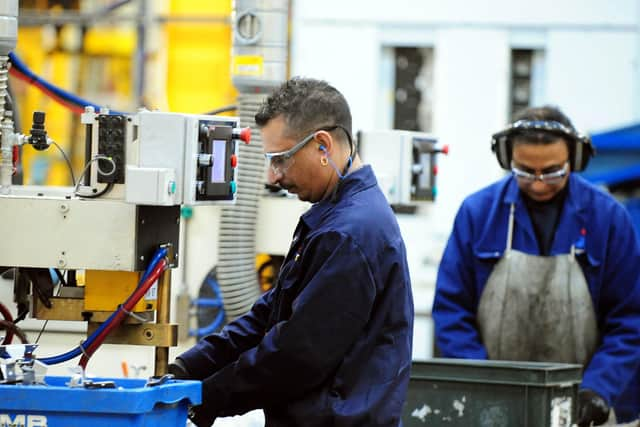

Other actions firms have taken in response to rising rates include changing strategy (38 per cent of those surveyed), delaying growth plans (27 per cent), dipping into savings or investments (22 per cent), creating new charges (18 per cent), and cutting staff (14 per cent).
More broadly, around two-in-three firms (65 per cent) expect to increase prices over the next three months, which is the highest level recorded in the survey since June 2023, at the peak of the post-pandemic, cost-of-living crisis.
Understanding Business is designed and conducted by research consultancy Diffley Partnership and strategic communications firm Charlotte Street Partners.
Malcolm Robertson, founding partner at Charlotte Street Partners, said: “These findings should trouble any politician at Holyrood or Westminster who claims to support economic growth.
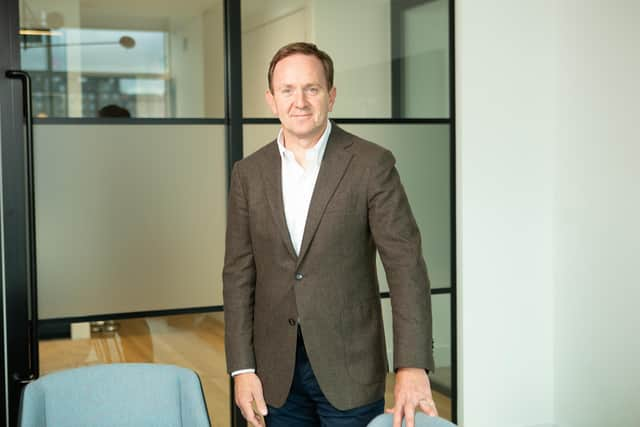
“The business rates regime is little more than a tax on employers of people, of those who work for them and on the things that might give us comfort in difficult times, like going to the pub or out for a meal or on holiday.
“It is also a tax that is not fit for purpose and endless reviews and tinkering around the edges will not get the economy moving. Business rates and UK-imposed taxes on employers must come down to give businesses the confidence they need to invest and create good, well-paid jobs.”
Last week, deputy first minister Jenny Gilruth announced that an independent review would take place to examine the revaluation of non-domestic property, following reports of inconsistent valuations. Business rates - also known as non-domestic rates - are set by the Scottish government though they are collected by councils to help fund services.
Turnover and profitability also remained largely flat from three months ago, according to the Understanding Business survey, with 40 per cent expecting increases in turnover (up a percentage point from March) and 38 per cent anticipating increases in profitability (unchanged from March).
Despite these headwinds, business leaders say Scotland remains a good place to run a business, with two-thirds (64 per cent) expressing that sentiment and three-fifths (61 per cent) saying it is a good place to invest.
Scott Edgar, senior research manager at Diffley Partnership, said: “The latest findings point to a mixed picture for Scottish businesses. While many indicators remain relatively stable, more firms expect to raise prices in the months ahead, and concern about business survival has risen to its highest level in over two years.
“At the same time, confidence that governments are responding to business needs has fallen back. Although a clear majority still see Scotland as a good place to do business, that underlying optimism is starting to come under pressure from persistent cost challenges.”
Comments
Want to join the conversation? Please or to comment on this article.