
Scotland’s hotels outperforming rest of UK but trouble could lie ahead
“Scotland’s strong reliance on the international tourism market also heightens the sector’s vulnerability to the impact of geopolitical disruptions” – Katie Morrison, RSM
Scotland’s hotels proved resilient in February, with occupancy and profits bucking the trend of the wider UK market, new figures would suggest.
However, industry experts warned that the ongoing troubles in the Middle East and “persistent cost pressures” could hamper the short-term prospects for the sector.
Releasing its latest hotels tracker report, audit, tax and consulting firm RSM UK said Scottish hotel occupancy rose from an average of 69.1 per cent to 72.2 per cent in February, year-on-year, while the UK-wide result was relatively flat, nudging up to 71.9 per cent.
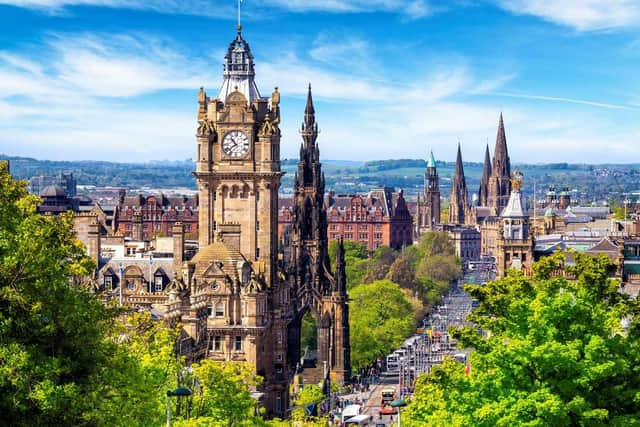

Gross operating profits in Scotland also rose from 15.3 per cent in February 2025 to 17.6 per cent in February 2026, while overall UK profits fell from 23.4 per cent to 22.3 per cent, year-on-year.
The data is compiled and produced by Hotstats and analysed by RSM.
Average daily rates (ADR) of occupied rooms north of the Border rose from £99.11 to £105.97 in February, year-on-year, compared to a UK average of £128.09, up from £125.97 in February 2025. Revenue per available room (RevPAR) - a key industry measure - was also up notably from £68.45 to £76.46 in Scotland, compared to the UK-wide average which saw a modest increase from £90.31 to £92.07.
Katie Morrison, partner and head of consumer markets at RSM in Scotland, said: “While the latest data points to a comparatively promising performance for Scottish hotels in February, these results are likely skewed by higher rates across Edinburgh and St Andrews.
“Overall, the year-on-year figures remain relatively flat as persistent headwinds threaten future growth prospects. The widespread disruptions and continued cost pressures exacerbated by the conflict in the Middle East mean that the UK-wide hotel sector faces an uphill battle heading into spring.
“Scotland’s strong reliance on the international tourism market also heightens the sector’s vulnerability to the impact of geopolitical disruptions - particularly if more consumers opt not to travel abroad.
“Fuel shortages and travel disruption risks, combined with overall cost-of-living pressures could prove a hard blow to consumers’ summer holiday plans. However, there is some potential for the staycation market to benefit, should UK tourists choose not to head abroad due to global volatility.”
She added: “With the Scottish elections looming, there is a significant opportunity for the new government to provide much-needed support and investment for the sector. A collaborative approach, working with UK government counterparts and key industry voices, would be particularly valuable in helping to shape future regulation and policies that help the sector flourish, rather than hinder growth.”
Thomas Pugh, chief economist at RSM UK, said: “The hotel sector faces a triple blow from the energy crisis. As one of the most energy intensive service industries, the sector will face a bigger increase in input costs than others.
“At the same time, rising energy costs for consumers mean a squeeze in disposable incomes that will likely result in a drop in spending on things like hotel stays, especially for the ‘squeezed middle’.
“Finally, the sharp rise in travel costs, especially flights, and an increase in business input costs more generally, are likely to curtail business travel.”
Comments
Want to join the conversation? Please or to comment on this article.