
Scotland’s green energy transition will be data-driven - Gordon McKirdy
Digital capabilities offer unprecedented opportunities to optimise operations and cut costs, writes Gordon McKirdy
Scotland’s landscape is not just picturesque – it’s a powerhouse of natural resources. With its rich history in offshore engineering and abundance of wind and hydroelectric power, the country stands at the forefront of the global green energy transition. The stage is set for Scotland to emerge as a world leader in offshore wind production to meet national energy demands.
Whilst the initial growth curve has been rapid – renewable generation capacity increased from 3.8GW in 2009 to nearly 14GW in 2022 – this organic approach to growth involving manual processes and limited sector coordination is unlikely to work for the next stage in our net-zero journey. However, data and advancements in digital technologies offer the opportunity for Scotland to lead the way and unlock the next stage in decarbonisation for the whole UK.
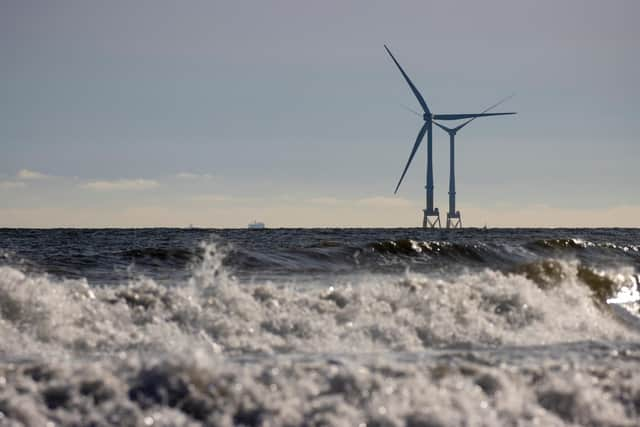
Scotland’s windy coastlines and shallow sea basins provide the ideal environment for the renewable energy sector’s mega projects of the future. Wind power is set to be the backbone of the UK’s electricity system; it will drive the UK’s domestic, industrial and transport decarbonisation. In the future, the nation could even become a net-exporter of green power – if current hurdles are overcome. This transition will also bring socio-economic benefits, from jobs to investment.

However, maximising current output while constructing the necessary infrastructure for the future requires strategic planning and innovative solutions. As engineering offshore wind assets become increasingly complex, Scotland's expertise, honed through years of experience in the oil and gas sector, is invaluable.
Currently, Scotland produces more renewable electricity than it consumes at its peak, creating grid congestion as it struggles to move electricity down to the southern demand centres. Network reinforcement is required, and amongst other challenges, licensing consent and permit processes continue to be slow and cumbersome.
Harnessing the power of data and digital is essential to navigate these challenges. The renewable energy sector generates vast volumes of operational data, which can help us to build more quickly and safely. From machine learning and generative AI to autonomous vehicles, digital capabilities offer unprecedented opportunities to optimise operations and drive down costs. Whilst policy and markets are catching up, data generated through business development, manufacturing, and construction of power plants can drive effective decision-making, forming the basis for forecasting, time saving, and predicting decisions to drive development at pace.
Accenture is already putting data to work successfully, using advanced analytics capabilities like mesh data to fine-tune the accuracy of weather and production forecasting, as well as partnering with specialist technologies in the digital ecosystem, such as remote robotics maintenance and advanced alert management.

To harness the opportunity to the fullest, we will need to nurture and build the talent required for the green energy transition and invest in the supply chain. The industry will need to broaden its potential talent pool and improve access to middle-skilled jobs, whilst also promoting socio-economic mobility.
By combining energy transition leadership with digital leadership, Scotland stands to both unlock the unique opportunity at our fingertips and set the global industry standard for renewable energy.
Gordon McKirdy – Energy & Resources Lead, Accenture Scotland