
Scotland faces an emergency - this is why housing associations may hold the answer

To mark Scottish Housing Day, a leader from the sector has spoken about the crisis facing Scotland and role associations have to play.
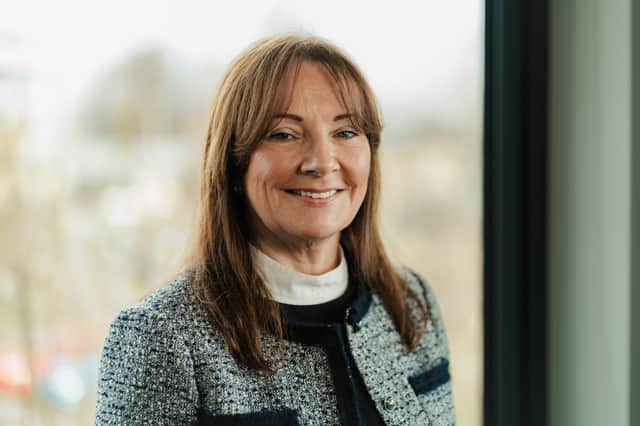
Today is Scottish Housing Day and Julie Cosgrove, chief executive of Caledonia Housing Association, has spoken to The Scotsman about the challenges in sector.
There’s been a lot of talk about a housing crisis in Scotland. How serious is it?
Unquestionably we face a significant housing challenge. More than one third of local authorities have declared a housing emergency at a time when 250,000 people are on waiting lists across Scotland and over 33,000 have been assessed as homeless.
A number of factors have contributed to this crisis, but essentially we need to increase the supply of social rented and affordable homes to address the rising demand and reduce homelessness.
The cost of living crisis continues to put serious pressures on household finances and can disproportionately impact social tenants. But good quality, affordable housing is core to addressing the huge social and economic challenges we face.

Caledonia are part of the Scottish Federation of Housing Associations (SFHA) and we support their work to raise awareness amongst politicians and other stakeholders of the important work housing associations do and to consider potential solutions to increase the supply of housing and maximise funding.
We already have council houses and we have the private sector. What’s the point of housing associations?
A fully functioning housing market requires a range of tenures and providers to address the varying needs and demands for housing. The purpose of housing associations is to provide affordable and quality housing that enables people to fulfil their potential and can have a positive impact on communities.
Across Scotland, housing associations collectively provide over 300,000 homes. A key aim of Caledonia is to continue to play a part in the provision of social rented housing. The Caledonia Group (which comprises of Caledonia and our subsidiary organisation, Cordale Housing Association) has continued to grow and we now own and manage over 8,000 properties across eight local authority areas.
It is evident that increased construction and lending costs have created challenges in building new homes, despite these financial pressures, the Caledonia Board of Management remains committed to developing new housing.
Last week we handed over nine new homes to new tenants in Chryston, North Lanarkshire, while in August we completed the development of 30 homes in Coldside Road, Dundee, and are scheduled to complete later this year a development of 67 affordable homes in Ballindean Road, Dundee.

The theme of Scottish Housing Day is “homes for life”. What is Caledonia Housing Association doing to achieve this goal?
The Scottish Housing Day theme aligns with Caledonia’s purpose to provide “homes and services that make life better”. Caledonia builds sustainable new homes and invests in existing properties and services to support people as their needs and priorities change.
We provide a range of housing which includes adapted housing, supported accommodation and retirement homes. Our design standards for new homes reflect the need to incorporate features that accommodate the evolving needs of individuals.
This can involve utilising smart technology, ensuring homes are accessible for people with various abilities and having adaptable living spaces.
We maximise funding available to carry out aids and adaptations in Caledonia properties so that tenants can remain in their homes and live independently.
Caledonia also provides a care and repair service for older people and people with a disability in private sector accommodation throughout Angus and Perth and Kinross.
There’s been a lot of talk about shortages of skills and materials in the house construction sector. What’s actually going on and how do things look in the future?
As a housing association committed to building new homes and maximising investment in our current stock, we have seen and experienced the challenges the maintenance and construction sector face.
As well as rising costs and a decline in skilled workers, our sustainability commitments and Net Zero targets require new skills. There is an increased requirement for renewable energy solutions, retrofit and low carbon technologies.
This comes at a cost, while there is a need to build future skills provision. Housing associations need to work collaboratively with the construction sector and government to ensure that the strategic partnerships, funding and support is in place to deliver Net Zero solutions and grow the future workforce.
What does the future look like for Caledonia Housing Association?
It is a tough period for the sector. Housing associations have had to scale back investment plans.
Caledonia is as well positioned as we can be to remain resilient in the face of a difficult economic landscape.
We’ve recognised the need to be agile to quickly respond to new priorities. We know the needs of our tenants and stakeholders are changing.
One of our values is: “Keep it Personal” and we have invested in our leadership, culture and customer focus to ensure we continue to provide the tailored services that make a difference to the lives of our tenants.
Sustainability and Net Zero is core to what we do. This has informed our development, investment and financial plans, our practices as an employer and how we manage our supply chain.
The world we are operating in is constantly changing. We know we need to keep evolving if we are to continue to provide the housing and services and support our tenants need.
As an employer in your own right what trends are you seeing with your own people
The Caledonia culture is fundamental to how we deliver services and how we have a positive impact on our tenants and communities. It’s our people that make a difference.
We invest in our leaders and managers to create a highly engaging work environment where staff can grow and thrive. We were enormously proud in 2023 to be one of the top UK Housing Associations to work for.
We also know the needs and priorities of our people are changing. Employees want to be part of an organisation with a strong purpose.
They want flexible working and opportunities for development, while wellbeing is increasingly important. Our turnover, engagement and retention figures are comparatively strong.
We are not complacent, we recognise that we need to continue to listen to the emerging priorities and preferences of current and future colleagues, so that we have the people in place with the skills and passion to deliver the results our tenants rightly expect to see.
Julie Cosgrove is the chief executive of Caledonia Housing Association
Comments
Want to join the conversation? Please or to comment on this article.