
Profits can be made in whisky cask investment - but do your due diligence
Comment - Vikki Bruce looks back on the evolution of the Scotch whisky cask market and discusses how investors can make thoroughly informed decisions
The story of today’s Scotch whisky cask market begins long before words such as “investment”, “asset”, or “exit” were ever used in reference to casks.
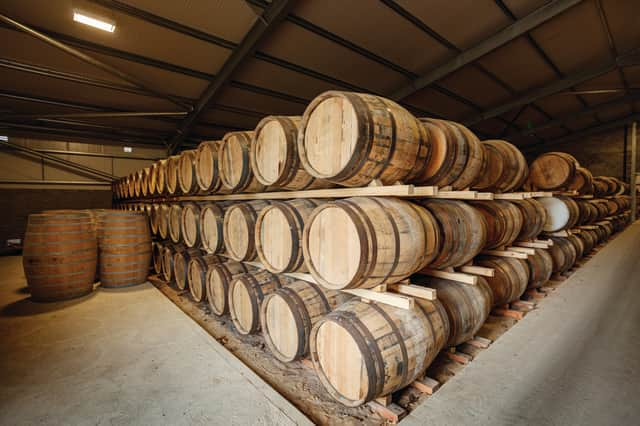

For most of its history, cask whisky existed solely as a work-in-progress product quietly maturing in bonded warehouses until it was time to be put into a bottle – usually as a blended Scotch whisky.
Distillers sold and swapped casks of whisky amongst themselves for blending to the desired profile. Although a small number of casks have always found their way into the hands of whisky-loving private individuals, casks of Scotch whisky were never intended to be a consumer-facing asset class, and the regulations and processes surrounding duty-suspended alcohol were not designed for private ownership.

The evolution of today’s cask trading market began in earnest during the early 2000s, when the trend for single malt, and then single casks took over from blended Scotch, and independent bottlers started to increase in numbers to meet the demand, looking for casks to bottle.
This meant that the distillery-to-distillery brokers started seeing a new revenue stream and began to feed it.
Around the same time, the secondary market for rare bottles accelerated, fuelled by international demand, with bottles reaching record-breaking auction prices, and gaining global media coverage. Canny investors started to look upstream – if a 25-year-old bottle could sell for several thousand pounds, why not buy the cask at five or ten years old and capture the value during its maturation?
On paper, it made sense – whisky in a cask naturally appreciates in value because it gets older and inherently scarcer. For a while, it worked exactly as expected, and some very healthy returns were made.
This sparked an increase in cask brokers appearing to meet the demand, and as the financial opportunity spiralled upwards, the emergence of opportunists increased.
Coming from backgrounds outside of Scotland or the Scotch whisky industry, cask brokers began selling casks as an alternative investment class, often citing the entirely inappropriate figure of 582 per cent return on investment to hook the unwary buyer, before going on to commit further misdeeds.
Misleading valuations, fabricated ownership certificates, the selling of non-existent “ghost” casks, or selling one cask to multiple owners are all practices which have damaged trust and caused significant financial loss over the last decade, with many of the perpetrators apparently unpunished.
These criminal practices do not reflect the true whisky industry, they exploit consumers’ ignorance of legal ownership processes. The whisky itself remains in the premier league – the weakness has been in the poor practices, not the product.Today, the whisky industry is going through a downturn. Last year and this have seen global bottle sales cool and cask values plateau and decline, creating a buyer’s market.
Owners of high value bottles or casks should hold until this current cycle has passed and the market grows in strength again.
This current “slump” mirrors the early-1980s slowdown, which preceded one of the strongest growth periods in Scotch whisky history. The lower-value end of the cask market is strong with distilleries, looking for ways to replace their lost revenue from bottle sales, take advantage of the opportunity to sell new-make spirit into the cask-trading market, increasing the number of owners of casks of Scotch whisky.
As we move towards 2026, the outlook for cask owners and buyers is encouraging as the highly publicised scandals this year have served to bring our attention to the problems faced by the industry and to better educate the buyer.
The message is simple – do your due diligence on the cask, the broker, the warehouse and, above all else, follow the guidance of the Scotch Whisky Association, which has published information on how to buy casks safely.
At my firm, Maclean & Bruce, our mission is simple –restore confidence through clarity. We teach buyers how to avoid the pitfalls of misleading marketing and falling foul of bad actors, manage their cask(s) during the maturation process, and understand their options for re-selling or bottling their whisky.
When purchased correctly, owners should be well rewarded for their stewardship of this exceptional Scottish product.
The future of the cask market is bright, provided all stakeholders continue to fight the fraudsters and educate buyers.
Vikki Bruce is managing director of Maclean & Bruce
Comments
Want to join the conversation? Please or to comment on this article.