
Plans for battery energy storage system linked to Scottish football club ‘rejected’
Some BESS projects have attracted criticism over their appearance and perceived fire risk.
Plans for a battery energy storage system linked to Inverness Caledonian Thistle FC have reportedly been refused permission to proceed.
The football club had been hoping that its involvement in the renewable energy storage project would help generate funds for its community outreach projects.
Developer Intelligent Land Investments Group appealed to the Scottish Government after Highland councillors refused planning permission for the facility on a site at the Fairways Business Park in Inverness. Now, a planning official is said to have rejected the appeal and refused permission because the project does not comply with the council’s local development plans.
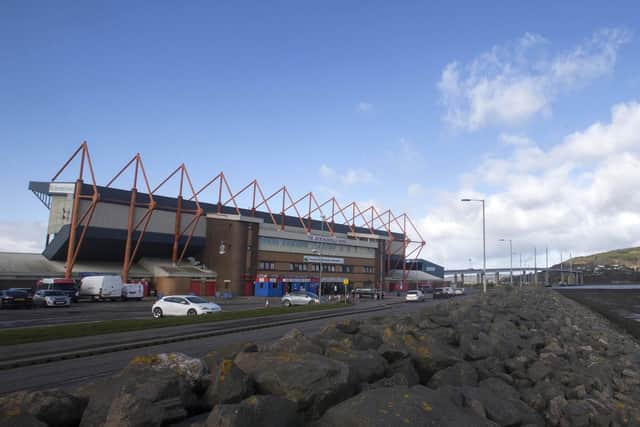

Caledonian Thistle FC was initially granted planning permission for the battery facility in February, but the local council later decided to review the decision.
Battery energy storage systems (BESSs) consist of one or more large batteries that store electrical power for use at a later time. They can be charged using excess electricity generated by wind or solar farms, for example, or by grid connection during periods of lower demand. However, a growing number of such schemes have attracted criticism over their appearance and scale, as well as concerns over the risk of fire. They can generally only provide short periods of temporary power.
Recent proposals for a battery storage facility that would involve more than a dozen shipping containers being placed in croft land in the Highlands sparked anger from some local residents. Householders in the village of Clynelish, near Brora, warned the proposals would be “like having an industrial caravan park outside your house”. They also raised concerns over the risk of fire and claimed there would be a constant humming sound in the “peaceful” valley. Locals have argued that the facility should be located on a brownfield site, closer to urban communities.
Last month, a large-scale battery storage project was given the green light in a move developers said would play a “crucial role” in the nation’s energy transition. The Scottish Government issued planning consent for ILI Group’s major Whitehill BESS, located adjacent to the Easterhouse national grid substation near Gartcosh, Glasgow.
The firm said receiving consent for the 200-megawatt project marked “another significant milestone” in the company’s commitment to developing “crucial energy storage infrastructure” in Scotland.
Comments
Want to join the conversation? Please or to comment on this article.