
Inflation falls to 3.6%: What needs to happen now for a pre-Christmas interest rate cut
“We’re drawing ever closer to a Budget which is expected to dampen already subdued demand further via another increase in the tax burden” – Anna Leach, IoD
Inflation eased last month removing one of the final obstacles to a December interest rate cut and providing a timely boost for the Chancellor just days ahead of her autumn Budget.
The latest official figures show that the headline rate of inflation fell to the lowest level since June in October after gas and electricity price rises eased. Most prices are still rising but not as steeply as in recent months.
According to the Office for National Statistics (ONS), the annual measure of consumer prices index (CPI) inflation fell to 3.6 per cent last month, from 3.8 per cent in September. This marks the lowest CPI rate since June this year, but is marginally above the 3.5 per cent that most economists were forecasting for the month. It also remains quite a bit north of the 2 per cent target rate set by the Bank of England.


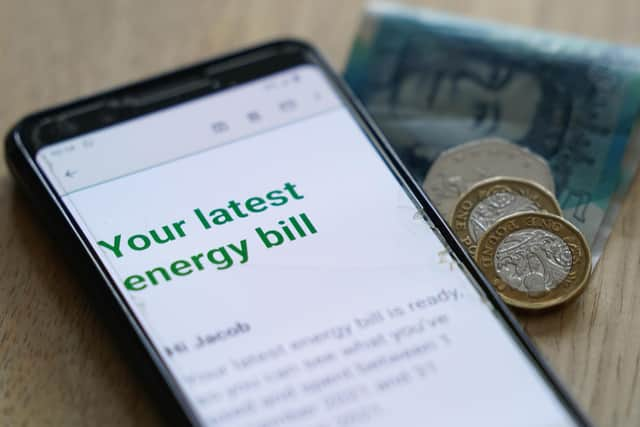
A slower increase in gas and electricity prices was the biggest factor putting downward pressure on the overall inflation rate in October, the ONS noted. Industry regulator Ofgem raised the energy price cap by 2 per cent in October, but this is significantly less than the 9.6 per cent hike last year.
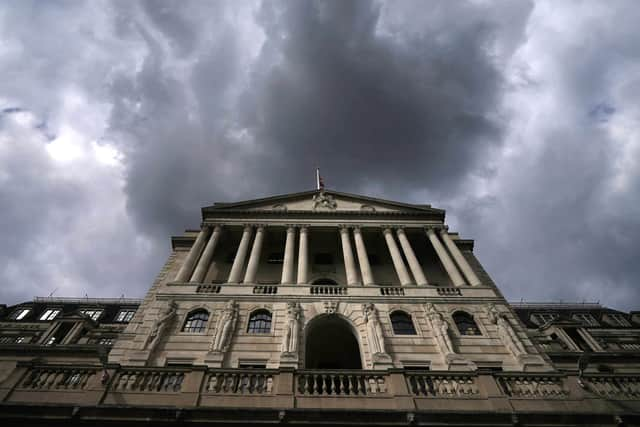
Suren Thiru, economics director at accountancy body ICAEW, said the Budget was now the last obstacle to a December rate cut following the cooling inflation data. Members of the Bank of England’s nine-strong monetary policy committee are due to meet on December 18 to decide on their next move on interest rates. The official bank base rate stands at 4 per cent.
“October’s slowdown is the start of a winter inflation wind-down with lower food and fuel costs likely to pull the headline rate below 3 per cent early next year, despite persistent pricing pressures from elevated employment costs,” Thiru said.
“The Budget is a double-edged sword for inflation as while tax rises can be deflationary by dampening demand in the economy, the upward pressure from any rise in business costs risks giving inflation a second wind.
“Though the conditions for a December interest rate cut are falling into place, the Budget is a last obstacle as rate-setters will want to gauge the effect of the policies announced before authorising another rate reduction.”
Make sure you keep up to date with breaking news from across Scotland by signing up to our free newsletter here.
Anna Leach, chief economist at the Institute of Directors, said: “We’re drawing ever closer to a Budget which is expected to dampen already subdued demand further via another increase in the tax burden. While uncertainty will hopefully diminish, that is unlikely to fully cancel out the drag on investment and hiring from further tax rises.
“There’s one more inflation release before the next interest rate decision, but with a weaker near-term outlook in prospect, it seems more certain that the monetary policy committee will on balance cut rates in their December meeting.”
Peter Stimson, director of mortgages at lender MPowered, also said the Budget on November 26 was now the only barrier to a pre-Christmas base rate cut.
He added: “Assuming the Budget doesn’t derail everything, the market is still expecting two or possibly three further base rate cuts by the middle of next year. But that is far from certain, and we are already approaching the bottom of the interest rate cycle.
“If you have a mortgage with a fixed rate that’s due to expire in the first half of 2026, it’s worth shopping around and talking to a broker now.”
The latest ONS data showed that food prices were on the rise again in October after easing back the previous month. The annual rate of food and non-alcoholic drink inflation edged up to 4.9 per cent last month, from 4.5 per cent in September, while prices increased by 0.5 per cent month on month.
October’s decline in headline CPI will be positive news for the UK government after more disappointing datasets in recent weeks showed UK economic growth was lower than forecast in the third quarter and UK unemployment hit the highest rate since 2021.
Sarah Coles, head of personal finance at investment platform Hargreaves Lansdown, said those looking to remortgage were “reaping the spoils of a mortgage price war”, with the best two-year fixed-rate deals closing in on 3.5 per cent.
“The banks were already broadly factoring in today’s [inflation] news, so it won’t move the dial in itself. However, competition is so fierce we can expect the banks to keep cutting the rates in an effort to stay on top.
“This will be a relief to anyone in the market for a remortgage in the near future, especially those coming off a two-year deal. Those ending a five-year fix will have more of a challenge on their hands, because rates back then were so low, so they will see their repayments rise.
“The plus side is that borrowers will have been sitting pretty on this rate while the rest of the market wrestled with higher monthly payments. The downside is that things could get less pretty from here.”
On the flip side, while inflation may have eased, it’s still running ahead of the rates provided on many popular savings products. Those savers able to lock their cash away for a longer period may be able to take advantage of 12-month or two-year fixed deals paying in excess of 4 per cent, or consider a stocks and shares savings product.
Comments
Want to join the conversation? Please or to comment on this article.