
How you could get cheaper or even free electricity at peak production times in Scotland under 'zonal' energy pricing
A look at whether introducing self-sufficient energy zones would be practical.
Scotland could enjoy periods of cheaper or even free electricity due to its sizeable presence in renewables, the boss of a major UK energy provider has suggested – although there are questions over the likelihood of such a scenario.
Greg Jackson, chief executive of Octopus Energy, said the energy market does not reflect regional variations in electricity supply and demand, according to a report by Energy Live News, which said he made the comments at a conference in London.
He said Scotland, which produces renewable power from sources including wind and tidal, could offer cheaper or even free electricity when the nation has a surplus, rather than turning off wind turbines as is sometimes necessary currently, if energy regulator Ofgem changed the rules.
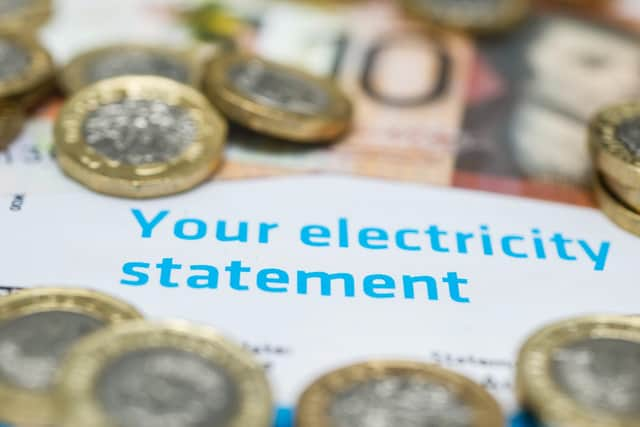

It comes as the UK’s new Labour government progresses plans for publicly-owned company Great British Energy, which, according to a separate report, is set to be based in Edinburgh, Glasgow, or Aberdeen. "Through supporting the transition to clean energy, Great British Energy will save families money by ensuring electricity bills are no longer exposed to the kinds of gas price shocks which helped drive increases in the electricity price cap of over £1,300 for a typical household during winter 22/23,” the UK government has said.
Furthermore, the Scottish Government said at the start of this year that renewable technologies generated the equivalent of 113 per cent of Scotland’s electricity consumption in 2022.
Mr Jackson proposed dynamic pricing would allow Scotland to better use its renewable power, and potentially offer free electricity during peak production periods. Such a strategy would be classified as zonal pricing, which would break up the UK’s energy market into zones, with each one having its own wholesale market, and supply and demand balanced within the zone. Zonal pricing is used in some European markets, while its fans closer to home include former SNP MP Martyn Day.
Adam Berman, deputy director of trade body Energy UK, told The Scotsman the UK moving to zonal pricing would constitute a “fundamental change in the way our energy market works” and comes amid much ongoing investment in the transition to net zero already.
He cited some analysis showing some “big consumer benefits” that can be accrued by zonal pricing. “However, the question is, whether in reality, we will see some of those benefits,” he said.
Mr Berman said introducing such a strategy could well be complex and costly, adding: "As we're looking at the 2030 clean power target, and the vast amount of low carbon-infrastructure that needs to be built over the next few years, investment certainty is really going to be at the heart of both what industry needs, and hopefully what government can provide. And so there is a more fundamental question about whether reforms that bring with them some quite serious investment concerns are necessarily best placed at a time in which we're [significantly] ramping up investment.”
One cited effect of zonal pricing is increasing prices for some areas, while others see theirs fall. Mr Berman said introducing such a policy would “require a lot of political discussion to be able to ensure that politicians across the [UK] are comfortable that their constituents will be better off at the end of the process”.
Comments
Want to join the conversation? Please or to comment on this article.