
How intellectual property played a blinder at the Commonwealth Games
A carefully-managed portfolio of IP helped protect the event’s identity, generate commercial revenue and preserve its reputation, writes Euan Duncan
Intellectual property (IP) played a major role in this year’s FIFA World Cup – from the design of the football and its patented sensor technology to the tournament logo.
The same was true of the Commonwealth Games in Glasgow. While the sporting action took centre stage, a carefully-managed portfolio of IP helped protect the event’s identity, generate commercial revenue and preserve its reputation. Even the name “Commonwealth Games” is itself protected by trade mark. This prevents unauthorised associations with the Games and gives the organisers control over how the name is used.
So, what exactly was protected at this year’s Games? Firstly, the Glasgow 2026 logo is trade mark protected, preventing unauthorised use. It is registered under 14 different classes, ranging from metals (i.e. medals) to clothing, from broadcasting to novelty items. This allowed the organising committee to control commercial use of the logo, licensing it to manufacturers of official merchandise and food and drink providers while generating revenue.
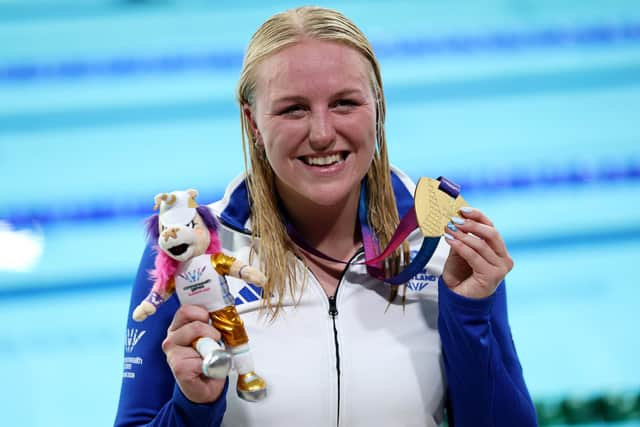

The same approach applied to ‘Finnie’, the Glasgow 2026 mascot. Four images of Finnie are registered as trade marks, covering two signature poses in both greyscale and colour. These registrations protect the creative work behind the character and allow the organising committee to control how she is used commercially. Original characters, illustrations and designs can hold significant value, making IP protection just as important for writers, artists and other creatives as it is for major sporting events.
Not only did the Games safeguard its assets through IP protection, but third-party brands and partners also leveraged their own IP (including logos and other promotional materials) alongside the Games’ branding. Through sponsorship and commercial partnerships, sponsors generated additional revenue for the Games while simultaneously promoting their own brands. Given sponsors and partners play a vital role in financing major sporting events, they are willing to invest in sponsorship rights and exclusivity only if they are confident that those rights will be upheld and maintained. Strong IP and commercial agreements therefore help prevent unauthorised use that could undermine sponsorship arrangements and damage brand value.
Strong IP protection is equally important for technology. At the Games, IP protected everything from the ultra-high-definition broadcast technology and scoring systems to the wearable technology used to train athletes before and during the competition. Protecting these innovations through patents and copyright helps ensure that those developing new technologies can safeguard their investment and continue driving innovation in elite sport.
Now that the closing ceremony has taken place and the medals have been awarded, the intellectual property behind Glasgow 2026 continues to hold value. The brands, technology, creative works and commercial partnerships developed around the Games demonstrate that IP is much more than an administrative exercise. It underpins investment, protects reputation and enables organisations to realise the value of their ideas.

Behind the spectacle of major sporting events lies a huge amount of time and creativity, from developing technology, distinctive brands and characters to bringing them to life. The same is true for writers, whose ideas and creative work can take years to develop and deserve the right protection.
The principles that protect a global sporting event are often the same ones that help businesses, creators and innovators protect the value of their own work. That’s why we’re sponsoring this year’s Bloody Scotland, Scotland’s international crime writing festival, where we’ll be sharing practical guidance on how writers and creatives can protect their IP in the publishing sector.
Euan Duncan is a Partner, MFMac