
Future-proofing life sciences sector with fresh talent
Scotland’s life sciences industry will continue to thrive if we invest in the next generation of scientists, engineers and innovators, says Jörn Hoffmeyer
Scotland’s life sciences sector is one of the nation’s fastest-growing industries, contributing almost £10.5 billion to the economy and providing more than 44,000 jobs across 700 businesses and higher education institutions. From precision medicine to biologics and digital health, Scotland’s expertise is shaping innovations that are improving lives around the world.
For Merck, Scotland is not just another market, it’s central to our operations. In Scotland, our 1,000+ colleagues work across manufacturing, analytics and digital innovation, helping deliver breakthroughs that make a real difference for patients globally.
Yet it’s impossible to ignore the challenging global landscape. Amid trade tensions, post-Covid recovery and rising living costs, Scotland’s ambition to become Europe’s leading life sciences hub depends on one critical factor: people. Without the right talent, even Scotland’s world-class life sciences sector risks being held back.
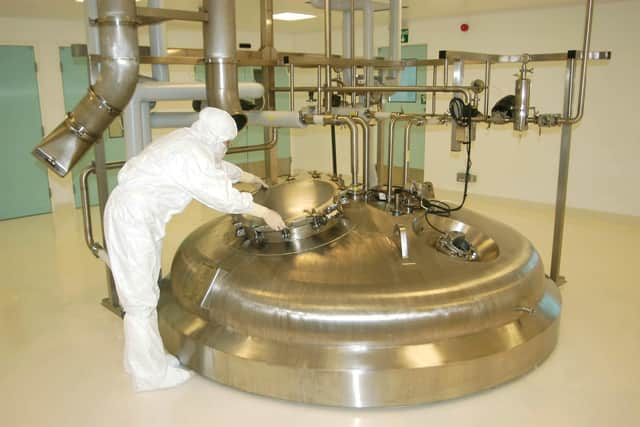

Across the UK, it’s estimated that the industry could face a shortfall of 133,000 skilled workers by 2030. In Scotland, this gap threatens to slow investment, research and innovation, undermining the progress that has made the sector such a success story.
While global events are beyond our control, one thing we can control is how we nurture the next generation of scientists, engineers and technicians. The decisions we make today will define Scotland’s ability to compete tomorrow.
With facilities in more than 65 countries, Merck offers several national and international trainee programmes for young people who want to evolve within the company. Every summer we offer several summer internships for students to explore us from the inside. We also have several multi-year development programmes for new employees and continue to invest in career development throughout their time with us.
On top of this, Scotland’s universities and research institutions are world-class. With the right collaboration between industry and government, they can equip young people with the skills the sector truly needs, especially as technologies such as AI, data-driven science and advanced therapies reshape the roles of the future.
With its established life sciences hubs and culture of collaboration, Scotland is uniquely placed to lead the way in building a sustainable talent pipeline. Doing so will not only strengthen the nation’s economy but also reinforce Scotland’s global reputation for scientific excellence.
Merck has been part of Scotland’s life sciences story for over three decades, working with the University of Strathclyde and Glasgow Caledonian University to bring Merck scientists into classrooms, inspiring thousands of young people to consider careers in science. Many of those students have since joined our graduate programmes and are now contributing to innovation at Merck, proving that targeted investment in talent creates lasting impact.
Early in my career, I was fortunate to have mentors who opened my eyes to the possibilities of science. I started at Merck with a scientific background, and the company sponsored an executive MBA programme early in my career that really helped me evolve. Their encouragement shaped my path and it’s why I believe so strongly that when we invest in people early and provide open access to a wider range of perspectives, we empower new generations to take our industry further than we can imagine.
Future-proofing Scotland’s life sciences sector is about more than filling vacancies; it’s about securing Scotland’s position as a life sciences powerhouse for decades to come. But this will only happen through collective action.
If government, academia and industry come together with a shared purpose, Scotland can overcome economic headwinds, attract global investment and deliver life-changing innovations for patients. turning today’s ambition into tomorrow’s success story.
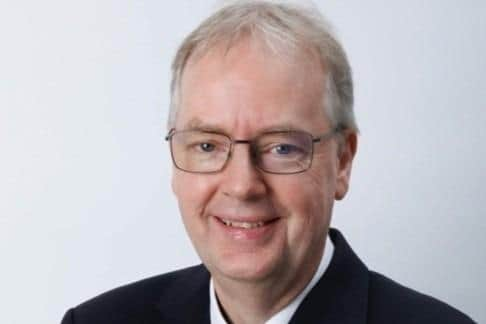
Jörn Hoffmeyer, UK Country Chair, Merck
Comments
Want to join the conversation? Please or to comment on this article.