
Edinburgh Festival Fringe 2025: The true cost of performing at the world’s largest arts event laid bare
“The Fringe is arguably the most important platform in the world for emerging talent” – Mary McMahon, producer
As Edinburgh prepares to welcome the world for a month of artistic frenzy, those behind half a dozen productions being staged during August reveal the true costs of performing at the Fringe, and one frustration would appear to top the bill.
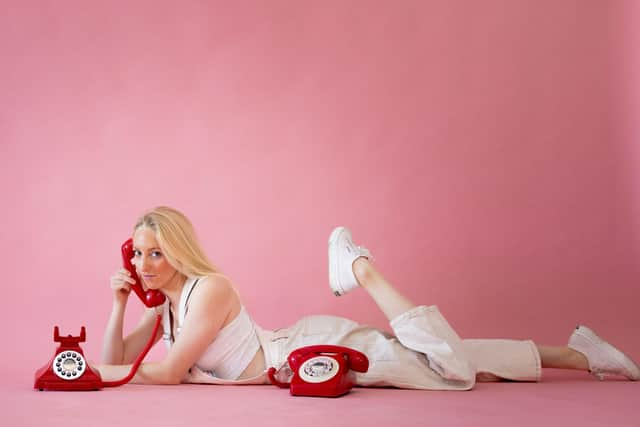
Sophie Cairns: founder and artistic director, SHITE Productions, London: https://www.edfringe.com/tickets/whats-on/girl-pop
How much is it costing you to come to Edinburgh and what sort of return are you expecting to make?


Our show costs in the region of £35,000 to bring to Edinburgh. This can be roughly broken down into: £10k for accommodation in and travel to Edinburgh, £10k on artist salaries, £10k on marketing/PR and £5k on production costs. At 50 per cent capacity we'll bring in £24k net box office (after the venue has taken their share), so we do expect to make a loss on this run.
What are the reasons for coming to the Fringe?
I'll be returning to the Fringe for the third time this year as an artist, and (costs aside) I couldn't be more excited. The festival provides an unparalleled platform for new work to gain visibility, attract industry interest, and reach a global audience. It's where the world’s most exciting new artists come together - a place where groundbreaking work is discovered, where we can learn from the incredible talent around us, and where our own work can find an audience that truly connects with it.
What could be done to make the Fringe more attractive for first-time/returning performers?

It’s incredibly challenging to raise enough money to take a show to Edinburgh, and funding bodies like Arts Council England often don’t support using their grants for the Fringe. Dedicated funding streams specifically for the festival would make a huge difference, especially for emerging artists.
Greater transparency around artist pay and expectations - both for performers and producers - would also be valuable. While Equity provides useful guidelines, they don’t always reflect the financial reality many small or unfunded shows face.
In addition, making essential resources more affordable - like BSL interpreters or sound equipment - would go a long way. These things can be prohibitively expensive, yet vital to making work accessible and high quality. There must be a better way to share costs across shows or offer subsidies and discounts to productions without institutional support. Making these kinds of changes would make the Fringe more accessible and sustainable for a wider range of artists.
What’s the greatest obstacle to staging a show?
One of the biggest obstacles is the cost of accommodation in Edinburgh - it’s sky-high during the Fringe and puts huge pressure on budgets, especially for emerging or unfunded artists. Another major frustration is the lack of marketing tracking from venues. We invest heavily in advertising, but have no way to tell what’s actually working. I’ve asked every venue I’ve worked with over the past few years for some form of tracking or data sharing, but nothing’s ever been implemented. It feels like a basic need that’s still being overlooked.
Finally, getting noticed by the press as a new or independent show is incredibly difficult. We're lucky this year to have the support of an established PR agency, but in the past breaking through the noise without an established name or big PR budget can feel near-impossible.
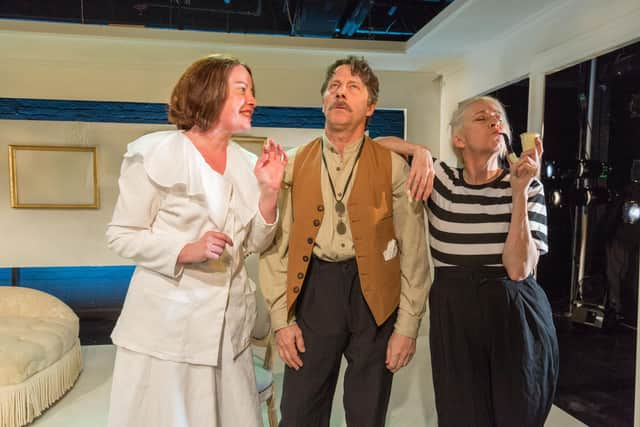
Mary McMahon: producer, Poole: https://www.edfringe.com/tickets/whats-on/anatomy-of-pain
How much is it costing you to come to Edinburgh and what sort of return are you expecting to make?
This is our first time bringing a show to the Fringe. We’re a team of eight in total - two cast members and six crew. Our overall costs fall into three main areas:
Crew Costs - £10,917: This includes fees, travel, accommodation, and daily allowances.
PR, Print, Design & Advertising - £6,925: This covers all our promotion efforts - from flyers to campaign support.
Sundries - £1,681: A significant part of this includes provision for accessibility - for instance, our show features themes around disability, and having a BSL interpreter is essential to ensuring our performances are inclusive.
In terms of income, we’ve raised £5,365 through a mix of a GoFundMe campaign and the Keep It Fringe fund. If we manage to sell around 30 per cent of our ticket allocation, we estimate we might bring in a further £2,500.
That would bring our total income to £7,865, meaning we’re operating at a loss - the real question is simply how big that loss will be.

What are the reasons for coming to the Fringe?
The Fringe is arguably the most important platform in the world for emerging talent. As a writer/director, it’s the best opportunity to get work seen by audiences, industry peers and venues. We’re using the Fringe as a launchpad - a way to build new relationships, create momentum, and hopefully find a future for the show through transfers or touring opportunities.
What could be done to make the Fringe more attractive for first-time/returning performers?
The biggest challenge by far has been finding and affording accommodation for our team. It’s incredibly tough on an artist’s budget, especially when bringing a full crew. We'd love to see solutions that prioritise housing for performers - whether that’s subsidised options, or a system where accommodation is offered to artists first, before the August surge from general visitors.
What’s the greatest obstacle to staging a show?
Accommodation. It’s not just the biggest line in our budget, it’s also been the most time-consuming and stressful element to organise. For a team of eight, it’s the single biggest barrier to taking part and eats into time we’d rather spend making theatre.
Quaz Degraft: actor, Los Angeles, CA, US: https://www.edfringe.com/tickets/whats-on/in-the-black
How much is it costing you to come to Edinburgh and what sort of return are you expecting to make?
All in, I'm spending close to £9,000–£10,000 on this Fringe run. That includes venue fees, registration, marketing, accommodation, flights, PR, and the cost of printing everything from posters to programmes. As for returns, financially, I’m not expecting to make a profit. If I break even or come close, that’s a win. But the return I’m really after is exposure: connecting with industry folks, building an audience for future tours, and getting this story in front of the people it’s meant for.
What are the reasons for coming to the Fringe?
It is my first time bringing a show to the Fringe and the decision came down to visibility and community. This story has been brewing in me ever since I left my accounting job and began training as an actor at the University of Southern California. The costs are steep but the opportunity to share my work with global audiences and hopefully tour the show afterward makes it worth the risk.
What could be done to make the Fringe more attractive for first-time/returning performers?
Possibly more infrastructure to guide first-timers, especially those of us not coming from UK-based institutions or arts funding ecosystems. That could look like travel grants, housing partnerships, centralized marketing resources, or venue subsidies. The current model favours those with access to money, and that limits the diversity of voices the Fringe claims to celebrate.
What’s the greatest obstacle to staging a show?
Housing, by far. Accommodation prices in Edinburgh during August are brutal. Beyond the financials, planning logistics, fundraising and promoting the show while trying to preserve energy to actually perform takes a toll. I’ve been blessed with a community of people who’ve supported me on this journey and I’m glad to have this opportunity regardless of outcome.
James Simon, producer and Edward Einhorn, playwright and theatre director, New York: https://www.edfringe.com/tickets/whats-on/the-marriage-of-alice-b-toklas-by-gertrude-stein
How much is it costing you to come to Edinburgh and what sort of return are you expecting to make?
JS: We've estimated our budget to be about £40,000. As professionals in the industry, we're not expecting to make any profit which seems like a ridiculous quest. Why would anyone want to proceed in a losing proposition? The Fringe productions almost never make money unless you're a major headliner in a large venue. The economics simply work that way. One has to look at shows from either a developmental perspective for touring or a future bigger production or a place to workshop a new show.
EE: The true cost will probably be more than $5,000 more than anticipated. This is partly due to unexpected expenses (our small set was constructed in London and cost more than expected, and documentation may prove costly), but also due to the drop in the dollar vs the pound during the Trump administration. Another way in which being an American artist who wants to work abroad is difficult right now.
What are the reasons for coming to the Fringe?
JS: I've been coming to the Fringe pretty regularly since 2000 when I helped bring Velocity, a clown show, from NYC. We won the Spirit Of The Fringe award. We're bringing Alice/Gertrude over for several reasons. First, it's a show that's been produced before in New York and London. We believe that with another major production at the Fringe that it may finally get published and then licenced so that royalties may come back to our non-profit theatre company. Secondly, we believe this play is also very commercial so we want to get as many reviews as possible.
EE: For me, it is the first time, though I have come when scouting for my own festival for the Vaclav Havel Center in New York, Rehearsal for Truth, which focuses on shows from Central and Eastern Europe. I was struck by the energy of the Fringe, which reminded me of the energy in downtown New York I fell in love with when I first came to the city. Enthusiastic, chaotic, full of possibility. I feel we have lost a lot of that small theatre energy recently, especially since Covid, but even before that it was declining.
What could be done to make the Fringe more attractive for first-time/returning performers?
JS: I have to say since the Fringe has been doing this for over 70 years, I think they do an excellent and remarkable job welcoming first timers and veterans. Despite its size and scope of shows, they're still able to shepherd companies through all the hurdles of production.
EE:I can say what I love is a sense of community. I have already been invited to some of the mixers and such, but I do think opportunities to meet and socialize are the heart of the experience. What an incredible opportunity it is to meet artists from across the globe.
What’s the greatest obstacle to staging a show?
JS: First thing that comes to my mind as a producer is always the money. It's not fun or sexy to ask people for funding especially in a project where they're unlikely to see any returns, doubly so for the Fringe. It's all working to a greater good, the creation of something important especially in America where the arts are under attack both politically and artistically. To support the arts today is a bold statement to speak up and be a reflection of who we are as a society. It can take many forms like plays, cabaret, stand up, performance art, pretty much anything that can be on a stage. The stage literally elevates our voices for an audience to listen and take notice of the world around them.
EE: Money is more and more scarce in America, when it comes to the arts. Simultaneously, expenses are going up. It's not a good combination. The other hand thing to figure out is how to stage your show and not get lost in the shuffle. We hope the history of the play and its subject matter is enough to make it stand out long enough to get critics and audiences to come and recommend it.
Olivia Raine Atwood: comedienne, writer, Los Angeles:
How much is it costing you to come to Edinburgh and what sort of return are you expecting to make?
The Fringe is costing me boatloads! I would estimate an arm and a leg and my first born who isn't even born yet. It's around $30k. Which in artist speak is equivalent to nine zillion and both kidneys. I expect to make a few pennies and peanuts in return - 6,000 dollars if I'm lucky, but I won't be lucky. But it's still so worth it, it's actually crazy.
What are the reasons for coming to the Fringe?
The opportunities you get post Fringe are out of this world. I've been touring my show all year, and gathered enough momentum to write and launch a second show this year at the Fringe as well. I can't imagine missing this festival. It's like the highest stakes summer theatre camp and I need to be on the mean streets.
What could be done to make the Fringe more attractive for first-time/returning performers?
More attractive? Have you guys seen this city? It's insanely attractive! It's gorgeous! I want a kilt to wear to the Tattoo! Can I live on Bow Street? In terms of financial feasibility though, that's harder to say. More grants would be great, and more opportunities to secure funding directly from the Fringe.
What’s the greatest obstacle to staging a show?
The greatest expense is literally the money. I have none of it. None money. And now I have even less than none money because I'm doing Fringe for the second time with two shows. But still: I wouldn't miss this for the world. It's that incredible. So buy tickets and get out there to support the artists.
Meghan R. Dineen: producer, New York: https://www.edfringe.com/tickets/whats-on/vacuum-girl
How much is it costing you to come to Edinburgh and what sort of return are you expecting to make?
In total our current running budget is circa $35k, and that is primarily coming from our own personal savings. There are definitely different factors that come into play like how much advertising we buy and hiring help with marketing and publicity since it's our first time at the festival, but overall there are a ton of fixed costs that are just a reality for all performers. Thankfully we have been able to crowdfund around $15k from friends and family and that has been enormously helpful in offsetting our costs.
What are the reasons for coming to the Fringe?
I have attended the Fringe three times prior as a patron and industry member and it has always been inspiring and invigorating to be there. Throughout my stay I would see so many shows such a huge portion of them would move me in a way to push me to want to eventually produce a show here myself.
What could be done to make the Fringe more attractive for first-time/returning performers?
It goes without saying but making the cost more accessible would be the first step, the many associated fees and the venue costs quickly add up and that is even before you factor in any show production costs, travel and lodging. Additionally I have found it rather difficult to find affordable options for basic production needs like folding tables or lighting equipment and I think having more affordable seasonal options for artists would make the barrier to entry much more accessible.
What’s the greatest obstacle to staging a show?
Our two greatest expenses have been lodging for the month and our venue fees, but there have been so many instances along the way where another £1k easily gets tacked on for something and that quickly adds up. Examples of this have included insurance for our equipment and costs for shooting our poster and flyer concepts.
Another big obstacle has been the mystery behind the timeline for when things need to be done. While, yes, there are published dates on the website for certain deadlines, there is a large part of the process that feels like everything needs to both happen immediately while also being months away from happening.
Comments
Want to join the conversation? Please or to comment on this article.