
Does Mansion Tax add up as a big source of revenue?
Dr John Boyle says the government should look more closely at behavioural responses to taxation
The Scottish government has just published a consultation paper on its new ‘Mansion Tax’ proposals.
Effectively, this will mean the introduction of two additional council tax bands in Scotland (Band I and Band J) to our current 8-band structure. Band I will be for homes valued at £1 million to £2m and Band J will be for homes valued at over £2m.
It is estimated that the new bands will bring in around £12m to £16m per year in revenue, which is a very small amount. Overall, council tax currently brings in around £3.5 billion of net revenue each year for local government.
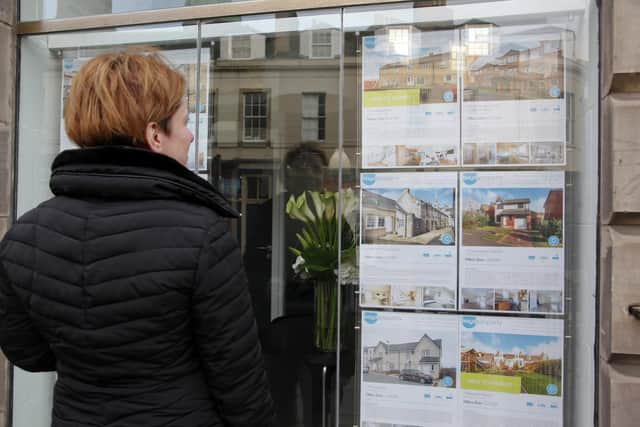

There will also likely be a need for some form of valuation exercise to capture properties at these levels, which will have a cost and will not be easy given many will not have sold for decades.
Only around 15,000 properties in Scotland will be impacted by this change; a tiny proportion of the approximately 2.7 million residential dwellings in the country.
The current top band (Band H) in Scotland pays an average of £4,051 per year in council tax.
In the illustrative examples provided in the consultation, the government suggests that Band I may pay an additional £720 on top of this (bringing the total bill to close to £5,000 per annum) and Band J pays an extra £3,600 (bringing its total bill to close to £8,000 per year).

It will be difficult to elicit sympathy from the general Scottish population for people buying houses at these price levels and there will undoubtedly be campaigning to make these uplifts much higher.
However, the government needs to take account of the other major tax that these properties contribute to – Land & Buildings Transaction Tax (LBTT). A house sale at £1m will generate over £78,000 in LBTT and the tax take continues to rise to £2m, when the LBTT due is £200,000.
If this is a second home purchase and includes Additional Dwelling Supplement (ADS), then the equivalent figures are £200,000 and £358,000.
The prime part of the property market is already quite heavily taxed. Although the additional council tax being sought for these properties is relatively small, it may well have a cooling effect on prime sales.
There were just under 500 sales of £1m-plus properties in Scotland last year and LBTT from these sales in Scotland generated around £65m for the Scottish government, i.e. around 9 per cent of the total LBTT tax take from just 0.5 per cent of the total sales.
If the ‘Mansion Tax’ causes a behavioural response and makes some people less likely to move at these values, then the increased tax take from the ‘Mansion Tax’ may be more than wiped out by the loss of LBTT revenue (and the loss of the wider economic impacts of these sales).
The Scottish government should be looking more closely at behavioural responses to taxation, particularly LBTT, to optimise the tax take while not depressing the market.
Dr John Boyle, Director of Research & Strategy, Rettie
Comments
Want to join the conversation? Please or to comment on this article.