
Tis the season to be jolly wary of the latest scams
As the BBC’s Scam Safe week arrives, Martyn James has everything you need to avoid losing money
‘Tis the season of scammers! As such, I’ll be broadcasting from Glasgow next week as part of the BBC’s Scam Safe week. You can catch me popping up on the TV and radio all week with tips on how to avoid getting tricked, advice on all the latest scams and how to protect yourself against fraudsters.
The best way to beat the scammers is to be vigilant. Be cynical of any unsolicited message or call, never click a link or hand over your details to a stranger, always contact businesses or organisations through the official website – and if you think you’ve been tricked, speak to your bank or card provider asap.
Here’s my guide to some of the latest scams doing the rounds right now.

Scams – a glossary
There are lots of different and confusing terms for different types of fraud. Here’s a quick glossary so you know what they mean.
- Spoofing: This is where fraudsters use a bit of cheap technology to make it look like a phone call or message is from an official business or organisation – or even someone you know.
- Push payment/Courier fraud: Authorised Push Payment (APP) fraud is where you are tricked in to either transferring large amounts of money or handing over your bank details by fraudsters pretending to be your bank or the police.
- Boiler rooms: This is a type of fraud that uses pressure selling to get you to buy worthless or non-existing investments or cryptocurrency. The fraudsters often trade lists of previous fraud victims.
- Purchase scams: Fake adverts for retailers, often advertising on legitimate social media websites.
- QR codes: This is a ‘quick response code’, a square type of barcode that allows you to scan it with a phone and link to a website or data.
Parking scams
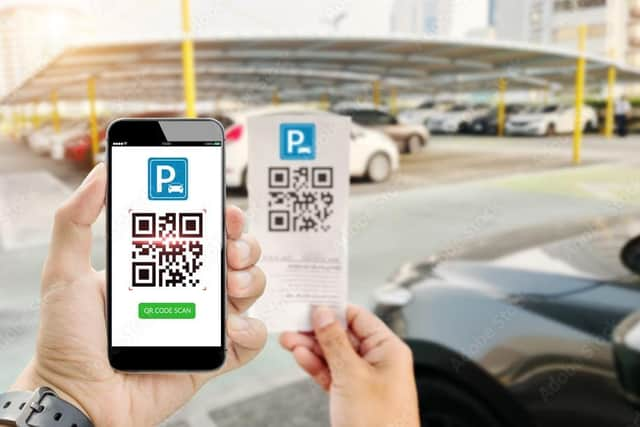
Some private parking firms have QR codes that you scan to make a payment. But crafty fraudsters have been putting fake QR codes on to stickers and attaching them to the signs, so you put your bank details in to a fake website. Some readers have reported that some Bluetooth scanners are also being used to skim card details.
Watch out for fake parking fine notices being attached to cars too. Always contact the company through its official website.
Energy scams
There are a range of scam texts and emails being sent at the moment that ‘spoof’ numbers so your phone says that they are from an energy supplier or regulator Ofgem. These messages may suggest you’ve been overcharged and you can claim back a credit, while others might tell you that there is a better deal available. Some messages invite you to claim for a grant – exploiting the actual grant and discount schemes operated by the government and energy suppliers.
Bank and e-payment scams
Earlier in the year I nearly fell for a scam myself. I received an email from ‘PayPal’ telling me I’d bought a seated lawnmower for $750. I don’t have a garden. I was just about to click the link to dispute the transaction when I looked at the email address. It did indeed say PayPal. But when I looked closely, there was an umlaut – two little dots – over a letter ‘ä’ in PayPal. Talk about hard to spot! So the email, which looked incredibly convincing, was a fake.
Phone scams
Mobile phone purchase scams fraudsters occur when fraudsters hack your mobile phone account or set up a fake one using your details. They order expensive mobile phone handsets that are delivered to you. When you complain that you didn’t order the phones, the scammer comes to your home pretending to be a courier company, collects the phones and leaves you with the debt.
If you’ve been scammed…
Don’t forget, the quicker you act the better the chance you stand of getting your cash back. If you’ve transferred money to a fraudster, call your bank asap or dial 159 – a number run by the free Stop Scams UK service - that will connect you to your bank or a leading retailer.
Martyn James is a leading consumer rights campaigner, TV and radio broadcaster and journalist. For more from Martyn, click on this link.
Comments
Want to join the conversation? Please or to comment on this article.