
Here’s how you can avoid scams (well, mostly)
The vast majority of crooks targeting your cash start online, so secure your details
Fraud is big business. According to UK Finance data, last year £1.17 billion was lost in fraudulent transactions. However, A further £1.45bn was saved after being prevented from being stolen by the industry.
The sheer scale of fraud is daunting. So we all need to be vigilant to stop the scammers once and for all. But with fraudsters relentlessly targeting us with ever more inventive ways of ripping us off, how on earth can we stay on top of the tidal wave of scams doing the rounds?
If you follow these simple tips, you can avoid the vast majority of scams.
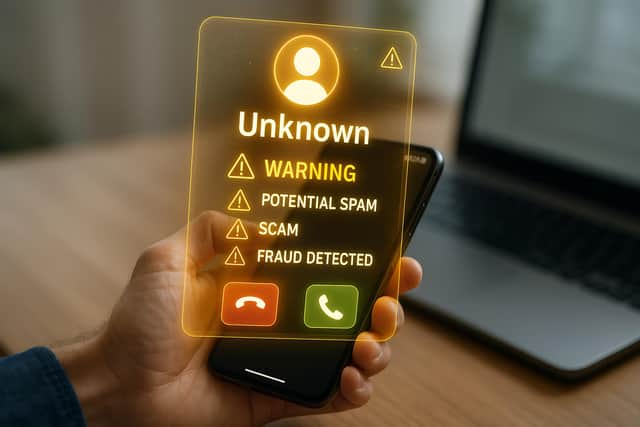

According to the latest statistics, 70 per cent of fraud originates online while the next 16 per cent occurs through telecommunications. So clearly, the best way to counter fraud is to be cautious about any email, call or message that asks you to provide details, transfer money or click on a link.
Remember anything can be convincingly faked. That includes websites, business branding and phone numbers that look like they’ve come from your friends or relatives. One of the most common forms of impersonation scams involve phone calls from fake government-linked ‘official’ organisations, well known businesses or authority figures like the police.
Ignore the method through which you’ve been contacted and get in touch with the business or organisation through their official telephone number, website or app. Never use the links or numbers that come with the original notification. If the message looks like it’s come from someone you know, bear in mind it could be ‘spoofed’ (using cheap technology to make the name and number of the person or business appear on your phone) or the email or social media platforms might have been hacked.
Email and text fraud works by playing on your insecurities for just long enough for you to make a mistake. Fraudsters may use on topical news stories – like a bank or big business getting hacked, for example – as a way to nudge you to ‘update your details’. Fraudsters also rather outrageously like to fake warnings that you have been defrauded! The scam works by panicking you in to clicking on a link to find out more, which turns out to be a scammer’s website.
I was chatting to my good friend and fellow television expert, Katherine Hart from Trading Standards, about seasonal scams this week. Katherine explained that university students are often targeted at this time of the year with accommodation scams. Watch out for landlords that offer suspiciously great rental deals on places that don’t exist. View the property first and only send money when you have verified the landlord’s identity and have a lease.
Scams are most devastating when they involve big money. Authorised Push Payment (APP) fraud is where you are tricked in to either transferring large amounts of money or handing over your bank details to fraudsters. If you are called by someone claiming to be an authority figure, hang up and call your bank direct or dial 159 – a number from Stop Scams UK that connects you to your bank or other businesses – if you can’t find the number.
Your email is one of the most ‘hackable’ services you have. Your email address will be in the public domain so a fraudster only needs a leaked password and they have full access to your data and contacts. Here’s a test for you. Using the ‘search’ function in your emails, type ‘password’ or ‘passport’ and see what information comes up. You may be shocked by what you’ve emailed to yourself that a scammer can access by doing this: and it only takes them seconds. Always change your email password regularly.
If you think you’ve been defrauded, contact the bank or business asap. Don’t forget that you can go to the free Financial Ombudsman if you don’t think a financial business has treated you fairly.
Most importantly, speak to older or more vulnerable people that you know or who live nearby and share these tips. Only by working together can we defeat the scammers.
Martyn James is a leading consumer rights campaigner, TV and radio broadcaster and journalist. Read more from him at this link.
Comments
Want to join the conversation? Please or to comment on this article.