
Call to scrap ‘harmful’ cash ISA as Rachel Reeves eyes radical savings overall
“The Chancellor is absolutely right to take aim at this outdated product - and she should go further by abolishing the cash ISA allowance altogether” – Michael Healy, IG
The Chancellor is right to target cash ISAs, investment experts have said, amid reports that Rachel Reeves is weighing up major changes to savers’ tax-free allowances in her upcoming Budget.
The eagerly-awaited autumn fiscal event on November 26 could see Reeves revive plans for a sweeping overhaul of individual savings accounts (ISAs) to encourage Brits to switch savings from cash into the UK stock market.
At present, savers have a £20,000 annual allowance on the amount that can be shielded from tax in some form of ISA or multiple ISAs. The cash ISA is by far the most popular tax-free product with an estimated £300 billion deposited in them, followed by stocks-and-shares ISAs, which come with the risks associated with any form of investment.
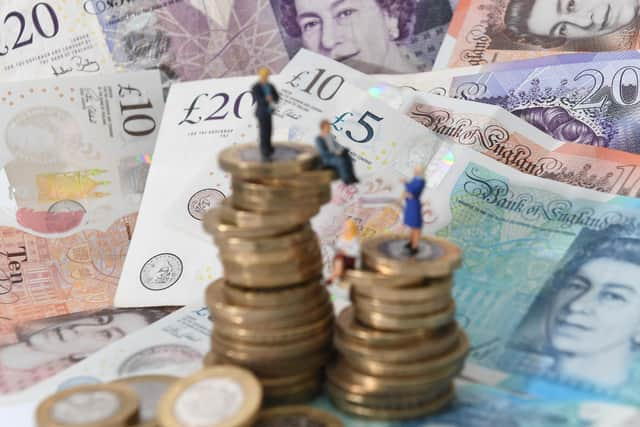

City minister Lucy Rigby has already argued that savers could more than double their savings if they chose to invest in the stock market.
In a recent speech she said: “We are committed to building a shareholding democracy. Someone who put away £1,000 in a cash ISA every April since 1999 would now hold about £34,000. If they had instead invested in a stocks-and-shares ISA, they could now have around £83,000.”
Reports have suggested that the Chancellor is considering lowering the annual tax-free limit on a cash ISA, potentially halving it from £20,000 to £10,000. Citing people familiar with the plans, the FT said that while Reeves has committed to keeping the overall £20,000 ceiling, she was looking at cutting the cash ISA limit as one of a number of options.
Treasury officials are said to have held meetings with financial service providers in recent weeks to discuss plans to limit the amount that can be put in cash ISA products, many of which are now barely keeping pace with the rate of inflation.
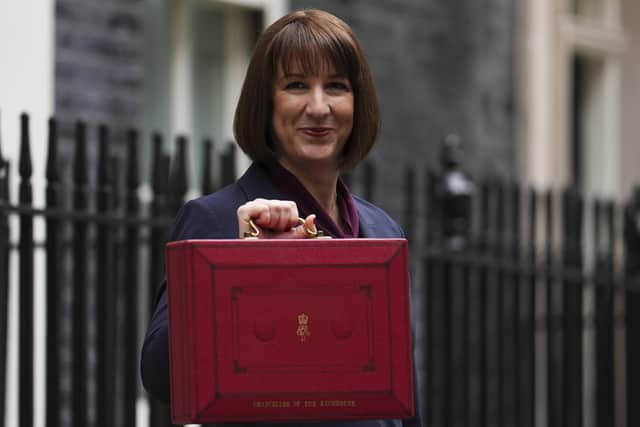
These meetings come after the Chancellor said in her Mansion House speech during the summer that she would be considering “further changes to ISAs” and “engaging widely in the coming months”, in an attempt to achieve “better outcomes for both UK savers and for the UK economy”. Any change could usher in the style of investment culture common in the US.
Michael Healy, UK managing director at FTSE 250-listed investing and trading platform IG, said cash ISAs were incompatible with long-term wealth creation.
“For years, cash ISAs have been sold as a safe and sensible home for savers’ money, and the public has listened, parking hundreds of billions of pounds in them,” he said. “In reality, cash ISAs are a pernicious product that have not only failed to improve people’s wealth but have steadily eroded it. They are completely incompatible with long-term wealth creation.
“The Chancellor is absolutely right to take aim at this outdated product - and she should go further by abolishing the cash ISA allowance altogether. They provide very little benefit to most people.
“At current interest rates, a higher-rate taxpayer would need to hold over £12,500 in savings before seeing any advantage. We should not be incentivising or rewarding the hoarding of cash, particularly at a time when our stock market is teetering on the brink through lack of investment.
“Britain needs more people investing and more money directed towards growth, and abolishing the cash ISA is a sensible place to start,” Healy added.
Tom Selby, director of public policy at investment platform AJ Bell, said: “Any reforms pursued at the Budget should focus on making it as easy as possible for those with excess cash to invest for the long-term.”
Potential changes to the tax-free savings allowance earlier this year faced opposition from banks, building societies and consumer campaigners, and Reeves will be wary of a fresh backlash.
The Treasury said: “Cash savings are important for people looking to put cash away for a rainy day and we will protect that. But the Chancellor has been clear that she wants to get Britain investing again, so British companies can grow and British savers who choose to invest can get more in return.”
News of the potential changes to the ISA model came as research was released outlining the risks lying in wait for middle earners.
Publishing its latest “savings and resilience” barometer, investment firm Hargreaves Lansdown noted that the middle fifth of UK households (third quintile) make an average of £37,383 but have just £113 left at the end of the month. Fewer than half (48 per cent) have enough emergency savings to protect them, according to the findings.
Investment experts said many people were struggling to build for life’s milestones. Just 21 per cent of middle earners are on track with home ownership for their age and stage in life. Fewer than half (46 per cent) are said to be on track for an adequate income in retirement.
Bear trap
Sarah Coles, head of personal finance at Hargreaves Lansdown, said: “There are all kinds of bear traps lying in wait for middle earners right now. Weaknesses in their resilience means they may struggle if there’s more tax delivered in the Budget.
“And even if they emerge from that in one piece, there’s the threat of tougher times ahead. If another squeeze is on the way, there are serious question marks over whether they have the resilience to manage.
“Higher inflation also remains a risk,” she added. “It’s not likely to shoot back to the levels of the cost-of-living crisis, but it’s expected to stay around the current level for the rest of the year. At this level, it means the relentless creep of higher prices that people don’t notice until they run out of money at the end of the month.”
Comments
Want to join the conversation? Please or to comment on this article.