
The secret lift hidden in a gallery floor: Inside the creation of a National Galleries of Scotland exhibition

The RSA is preparing for exhibition Catherine Opie: To Be Seen
When National Galleries of Scotland secured an exhibition of portraits by US photographer Catherine Opie for this year’s summer exhibition at the Royal Scottish Academy, staff sent her detailed measurements of the six-room space.
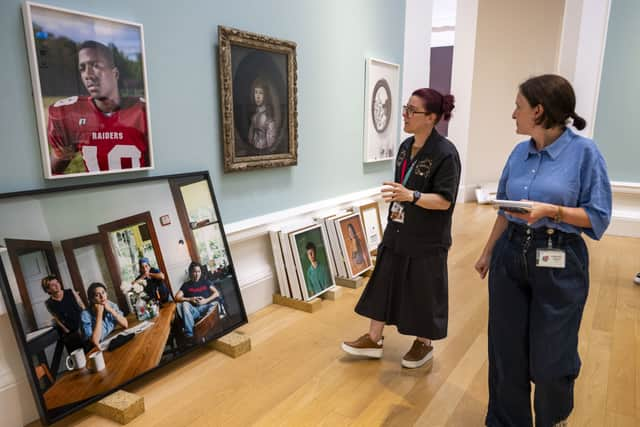
“Catherine made a 3D model of the gallery, cut out the little pictures and stuck them on and used that to design the layout of the exhibition here in Edinburgh from her studio in Los Angeles,” says Imogen Gibbon, head of portraiture and photography and chief curator at NGS.
“That’s her method for all exhibitions and that’s how she curates a show. We send a PowerPoint to her of what we have planned and she says, ‘no, bigger gap or smaller gap there’. So it’s a gradual process, but the initial creative ‘where is everything going to go’ is done on that model.”
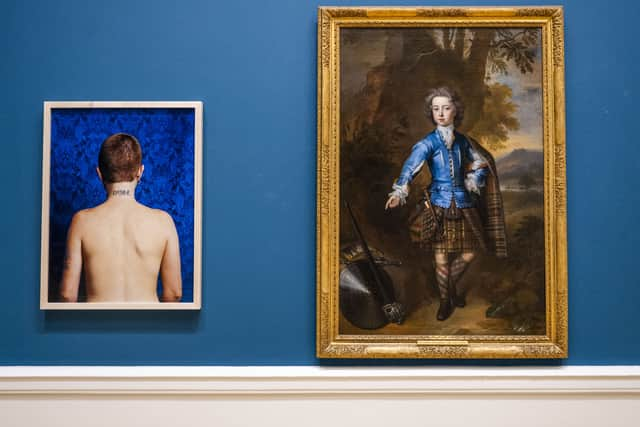
Around 80 of Opie’s photographs are included in the exhibition, Catherine Opie: To Be Seen, displayed in the RSA building on the Mound alongside 13 pictures from the national Scottish collection which the artist hand picked from the national collection store in Granton to complement her work. The exhibition displays portraits featuring mentors and collaborators, Queer communities, children, surfers, high school footballers and political crowds as well as self-portraits of the artist.
As with all major exhibitions by NGS, every detail of the exhibition, from the colours on the walls in each gallery to the merchandise on sale in the shop and the height the pictures are hung, are painstakingly thought out - and the artist consulted.
“I can’t think of any exhibition I’ve been involved with where the artist who has said ‘go away and do what you want,’ says Ms Gibbon. “Because that [the artist-curated display] is what people want to come and see. They come to hear the artist’s voice, as well as seeing the images and works by them.”
Opie, a US photographer who is a recipient of the Guggenheim Fellowship and an academician at the National Academy Museum in New York, has big shoes to fill. Last year’s Andy Goldsworthy show, held in the same slot, was the largest indoor exhibition of the artist’s career, while Grayson Perry ‘s summer exhibition drove a record-breaking year for the venue in 2023, attracting nearly 100,000 visitors.
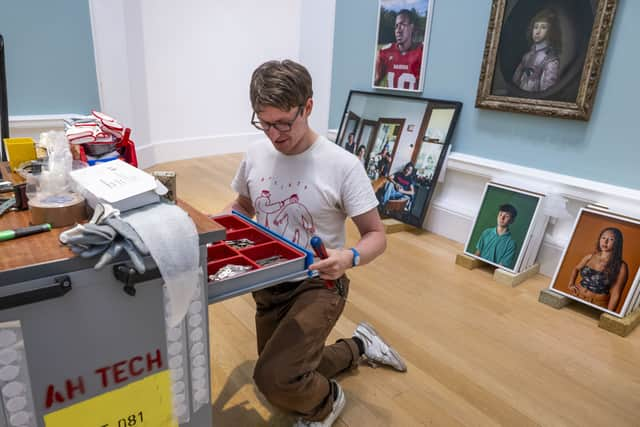
With just over a week before the exhibition opens to the public, staff are still putting the finishing touches to the space, from painting walls to hanging framed pictures. However, while the actual installation time of the art work is just over two weeks, creating an exhibition of this scale is a huge team effort which can take up to five years in planning.
In the case of the Opie exhibition, the timescale has been slightly shorter, due to a partnership with the National Portrait Gallery in London, where the same pictures were displayed in a different format of the exhibition.
“We went to them,” says Ms Gibbon. “We didn’t have anything settled for what we were going to present in this space, then this came along.

“After that, it was just a case of, does Cathy want to work with us, does she want the show to come to Edinburgh? And we were very pleased it was able to.”
The Scottish team first met Opie in October on Zoom from her home in Los Angeles and again when she came to Scotland for the first time later that year. She is due to return to Edinburgh on Monday ahead of the exhibition opening, when an NGS team is on hand to make any final changes she could request.
Initial ideas for future exhibitions dating years in advance are suggested by staff and the ideas debated before shortlisted ideas are signed off. In the pop-up exhibition shop, featuring tea towels and jigsaws of Opie’s work all of which require permission and approval from the artist - the shelving and furniture is brought in from storage and sprayed to match the colour scheme of the exhibition.
“It takes all teams to work together for a project group,” says Ms Gibbon. “I’m project manager and curator of the exhibition, but we have retail, learning and engagement, estates, finance, legal, visitor engagement. You have a representative from each team on the project group. It really is a joint effort.”
The NGS exhibition comes just two months after the end of the London show, but Scottish staff have opted for different images for its merchandise, as well as an entirely different set of text on the information boards alongside each painting.
“It’s just a different city,” says Ms Gibbon. “The exhibition is totally different to the London one, different spaces and it’s been reworked, It’s given it another life, another building and another style of architecture in a new city, which is fabulous.”
Audience testing has been carried out, as it is for any major exhibition, through surveys of gallery visitors, to find out which of the pictures are likely to attract more interest in marketing materials and how people feel about the artwork.
“We use that information in the way we talk about the exhibition publicly, the way we welcome people and what marketing materials we use,” says Ms Gibbon.
However the team are aware they are catering for two types of audience: festival visitors and locals.
“It’s about being aware of who’s coming in at any given time and what we might have to do in the duration of the exhibition in relation to developing the marketing,” she says.
Enjoying The Scotsman's coverage of the Edinburgh festivals? For just £2 a month you can get unlimited access to scotsman.com plus 2-for-1 Fringe tickets. For details visit www.scotsman.com/subscriptions
For Ms Gibbon’s colleague, Genevieve Wilks, who works as art handling technician at NGS, the main excitement came when she took delivery of the pictures last Monday.
Shipped in large crates from London, the art works are moved into the gallery through a lift which comes up through a hole in the floor of one of the rooms - accessed outside from basement level and inside by two sections of wall in the gallery which move.
Once the pictures are transported into the galleries and the lift returned to its lower level, the walls are returned to their usual location, sealed up, painted the same colour as the rest of the room and pictures hung on them until the secret lift is re-opened to remove the exhibition months later.
The lift was installed around the turn of the 21st century.
“I think some other galleries do have similar ones,” says Ms Wilks. “Modern, purpose built galleries are designed to have good access, but older buildings like ours don’t.
“It has a huge impact on our schedule, where we work first and how we plan.”
Ms Gibbon is just looking forward to visitors coming through the doors for the first time.
“I think people are surprised at the lead-in times these projects require,” says Ms Gibbon. “I love it when I get to share with people what a brilliant process it is and how creative it is.”
Catherine Opie: To Be Seen is a National Galleries of Scotland (NGS) exhibition at the Royal Scottish Academy building. It will run from 8 August to 1 November.
Comments
Want to join the conversation? Please or to comment on this article.