
Scottish crime writers to share their Tartan Noir secrets

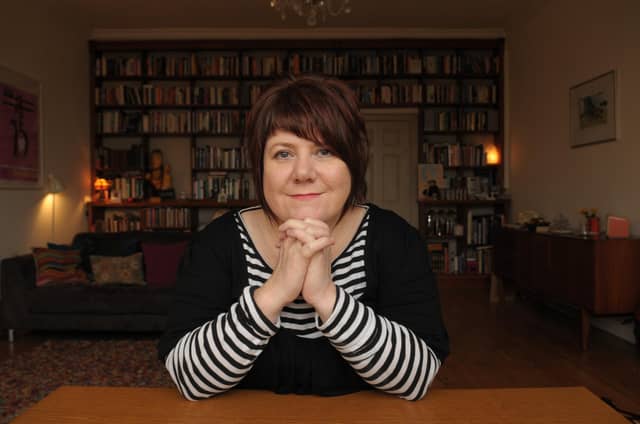

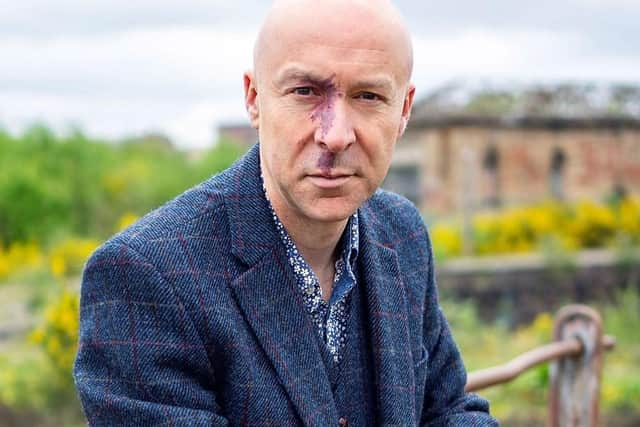
The course will feature authors including Louise Welsh and Christopher Brookmyre
Crime writers including Louise Welsh, Christopher Brookmyre and Liam McIlvanney are to reveal their secrets of how Tartan Noir has become a global success - through a course examining the “long and distinguished history” of Scottish crime writing.
The four week course, Tartan Noir: Scottish Crime Writing, which is open to the public, explores the storytelling techniques behind Scotland’s distinctive crime fiction tradition, examining plot twists, character development and narrative style.
Designed as an introduction to one of Scotland’s most popular literary genres, the free online course features interviews, discussions and advice from the leading crime authors.
Tracing the history of Tartan Noir from its roots in the works of writers such as Robert Louis Stevenson and Arthur Conan Doyle through to contemporary bestselling authors including Ian Rankin, Val McDermid and Denise Mina, learners will explore the key elements of Scottish crime writing through weekly themes focused on plot, character and narrative.
The Tartan Noir course is led by Dr Craig Lamont and Professor Gerard Carruthers.
Dr Craig Lamont, lecturer in Scottish Studies at the University’s college of arts and humanities, said: “Tartan Noir has become one of the most significant developments in modern Scottish literature, attracting readers far beyond Scotland while remaining deeply connected to questions of place, history and identity.
“This course explores the history, themes and techniques that have shaped Scottish crime writing, from its literary roots to its contemporary forms. By bringing together academic perspectives and the insights of leading crime writers, it offers learners an opportunity to engage critically with a genre that continues to play an important role in Scotland's literary culture.”
Professor Gerard Carruthers, Francis Hutcheson, chair of Scottish Literature at the University of Glasgow, said: “Scotland has a long and distinguished tradition of crime writing. While contemporary authors have brought international attention to the genre, its foundations can be traced back to earlier writers such as Robert Louis Stevenson and Arthur Conan Doyle, whose work continues to shape our understanding of crime fiction today.
"Crime writing provides a particularly rich lens through which to examine questions of society, morality and human behaviour. By exploring the development of Tartan Noir and its distinctive preoccupations with place, character and community, this course highlights an important strand of Scotland’s literary heritage and its continuing influence on readers and writers alike.”
Author Louise Welsh, who is also professor of creative writing at the University of Glasgow and takes part in the Tartan Noir: Scottish Crime Writing course, said: “Scottish crime writing has developed a distinctive voice because of its strong sense of place and its willingness to engage with the realities of contemporary life.”
Last month, debut crime writer Frances Crawford, from Glasgow, credited Professor Welsh with having encouraged her to write her novel, A Bad, Bad Place, which became the first to win both the debut novel prize and the prestigious McIlvanney prize for the best Scottish crime book at the festival. A Bad, Bad Place was acquired by Transworld in a ten publisher auction.
Comments
Want to join the conversation? Please or to comment on this article.