
Neurodiverse Edinburgh Fringe show reflects on how the system still feels stacked against disabled people


Writer Lewis Ian Bray who penned the show as a tribute to his brother Jack who is autistic, says his family are more concerned than ever after recent changes to the PIP system by the Government
Cartoonopolis is both a creative celebration of Jack’s inner world and a sobering reminder of the bureaucratic hurdles faced by disabled people and their families. The story moves between scenes of domestic life and Jack’s vibrant imaginary world, populated by his own creations, alongside characters from Toy Story, Marvel, and more.
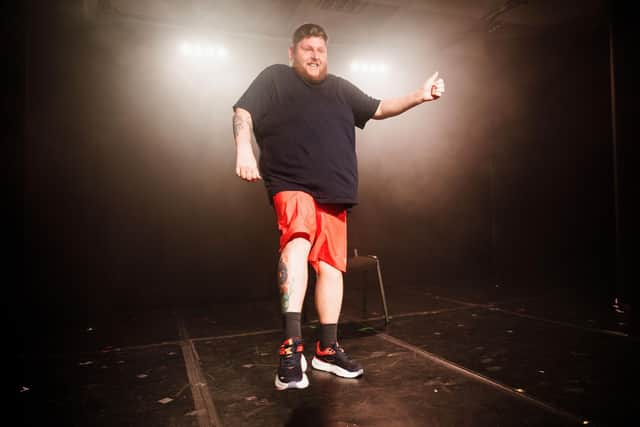
Lewis brings an astonishing 27 characters to life on stage, including Jack, their parents, the various cartoon characters, social workers and teachers. The result is a "moving celebration of resilience, imagination, and what it means to stick together in a world that still too often fails disabled people."
Reflecting on the show’s origins, Lewis said:
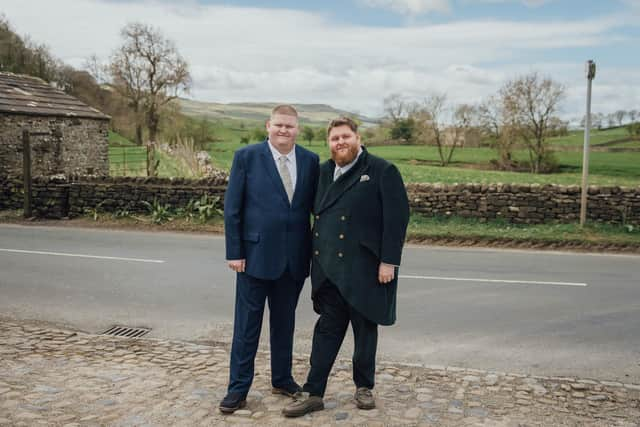
“When Cartoonopolis was first developed, our family—and many other families like ours—were navigating a period of significant change in the UK’s disability support system. In 2014, at age 16, my brother Jack—who is autistic and has a learning disability—was reassessed under the Disability Living Allowance (DLA) system. Within a short time, the government replaced DLA with Personal Independence Payment (PIP), requiring Jack to undergo a second reassessment within months. It was an incredibly stressful time.”
That transition marked the beginning of a long and taxing relationship with the system. Since 2015, Jack has been reassessed for PIP four times—despite his needs remaining unchanged.
Now, a decade later, Lewis and his family find themselves bracing for another wave of changes. From November 2026, new eligibility criteria for PIP are set to be introduced. Estimates suggest up to 800,000 people could lose their entitlement by 2029–30, with each person potentially losing an average of £4,500 per year. The ripple effect could extend to other forms of support, including Carer’s Allowance and the health element of Universal Credit.
“We’re facing a whole new sense of uncertainty,” Lewis explained. “Separately, there are also reported plans to remove or scale back EHCPs [Education, Health and Care Plans], prompting concerns about the erosion of legal protections for disabled children and young people.”
Amid these sobering realities, Cartoonopolis remains a vibrant and joyful tribute to Jack’s imagination. For Lewis, the heart of the show has always been about visibility, dignity, and celebration:
“My mum always used to say, ‘I just want people to see Jack’s joy.’ That wish has always been at the centre of this show. A decade on, it still is. Jack brings joy into our lives simply by being exactly who he is. His imagination, his creativity, his unique way of seeing the world — those things have carried our family through some of the hardest moments. Cartoonopolis is a love letter to that joy. To Jack. To the brilliance of a mind that doesn’t follow the expected path.
I want people to walk away from this show feeling what it means when we create space for neurodivergent people — not to fix or change them, but to allow them to be fully themselves. That’s where real growth happens. Not in spite of difference, but because of it. And more than anything, I hope the show gives audiences permission to extend that same care to themselves. To acknowledge their own needs. To stand up for who they are.”
Cartoonopolis is at Pleasance Dome until 24th August (not 11 & 18). For more and to buy tickets go to https://www.edfringe.com/tickets/whats-on/cartoonopolis and following its run at the Edinburgh Fringe, the show will play at the Liverpool and Everyman Playhouse and Storyhouse in Chester in September.