
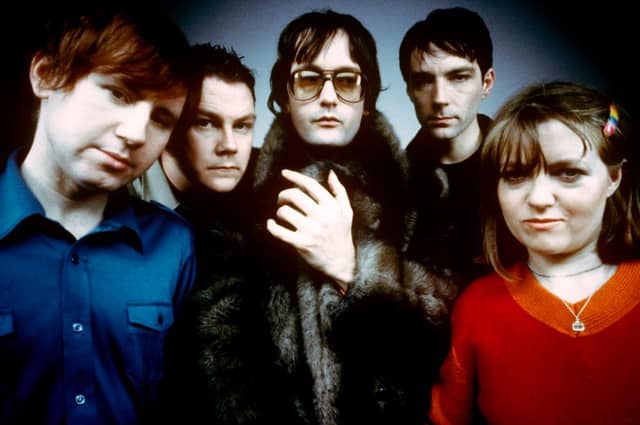

Formed in Sheffield in 1978, it would take more that 15 years for Pulp to even start to become the festival-headlining stars they are today.
Lead singer Jarvis Cocker is the only constant in the band’s long history which can be easily broken up into two eras; namely the three albums they released to little in the way of interest on indie label Fire, and the four they released to acclaim on major label Island Records.
It’s a journey that saw them go from perenial failures to one of the faces of the Britpop movement - something that Jarvis was never particularly comfortable with.
It looked like the adventure was over after 2001’s We Love Life but it turned out to just be an extended break with the band reforming for a string of gigs in 2011 along with a new song After You two years later.
Another hiatus followed, but they returned even more triumphantly in 2022 to tour again, playing to huge audiences, including headlining Scotland’s TRNSMT music festival and Edinburgh’s Hogmanay celebrations.
Now, nearly a quarter of a century after their seventh, their eighth album is set to be released on June 6 and will be dedicated to former bassist Steve Mackey who died in 2023.
Entitled More, it’s preceded by new single Spike Island and will be released by Rough Trade.
As we look forward to more new material, I decided to take a trip back through their previous albums - and it’s quite the trip.
Here’s how I rate all seven, from best to worst.
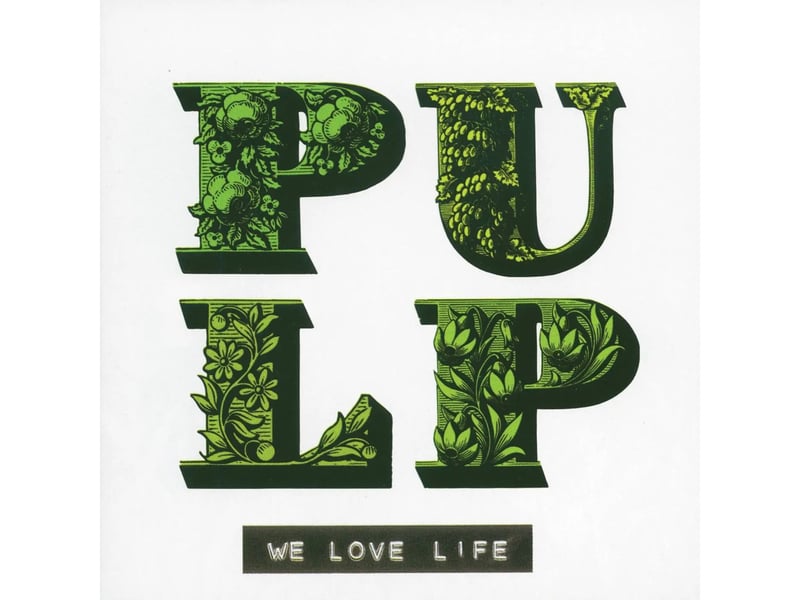
5. We Love Life (2001)
Commercially, Pulp's swansong record (until now) was a failure. 'We Love Life' only reached number six on the UK album charts before unceremoniously slipping out of top 40 in just three weeks. The main reason it failed to find an audience is that the band seemed to be trying to please everybody, only to end up with a set of songs that would alienate much of their fanbase. It starts well with the grimy one-two of 'Weeds' and 'Weeds II (The Origin of the Species)' indicating a straight sequel to 'This Is Hardcore', before a forgettable mid-section leads to the decidedly wimpy 'I Love Life' and 'The Birds in Your Garden'. It all comes good in the end, with the album's only proper singles, the arch 'Bad Cover Version' and the sumptious 'Sunrise'. The latter remains one of the best songs the band have ever written. Nobody needs to hear the eight minutes and 17 seconds of 'Wickerman' ever again. Key track: Sunrise. | Contributed
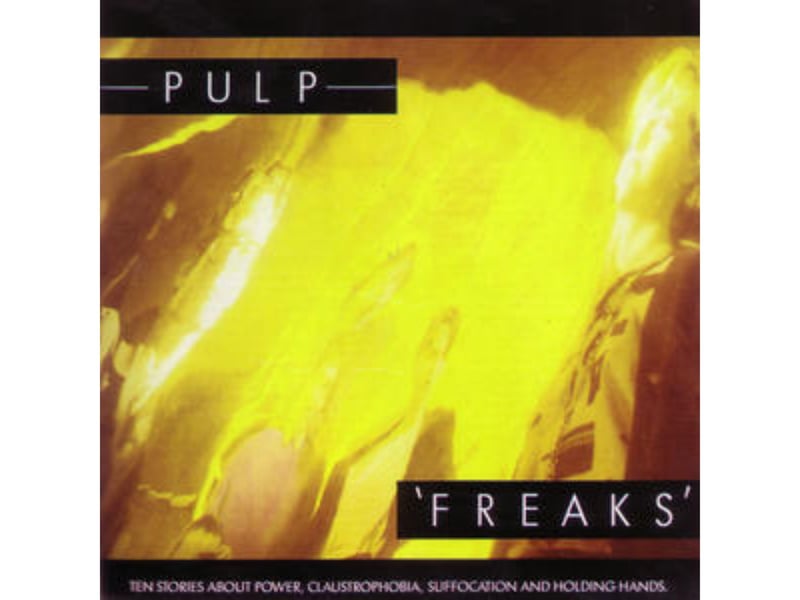
6. Freaks (1987)
Subtitled 'Ten stories about power, claustrophobia, suffocation and holding hands', Pulp's second album for Fire Records Freaks was the first to feature Russell Senior and Candida Doyle. As the band that would become the Pulp now loved by millions was taking shape, so was the songwriting. Singles 'They Suffocate at Night' and 'Master of the Universe' showed that Jarvis was starting to understand his craft, even if he was still fairly rough around the edges. It's an album that's as interesting for what isn't on it as what is. Non-album singles and b-sides of the time included 'Little Girl (With Blue Eyes)', 'The Mark of the Devil', '97 Lovers' and 'Dogs Are Everywhere'. All are as strong, if not stronger, as anything on the album - something that becomes clear when listening to the Fire-era compilation album 'Countdown 1992-1983'. A cash-grab by the label that's hated by Jarvis, it's still a fascinating artefact of the band's early life. Key track: They Suffocate at Night. | Contributed
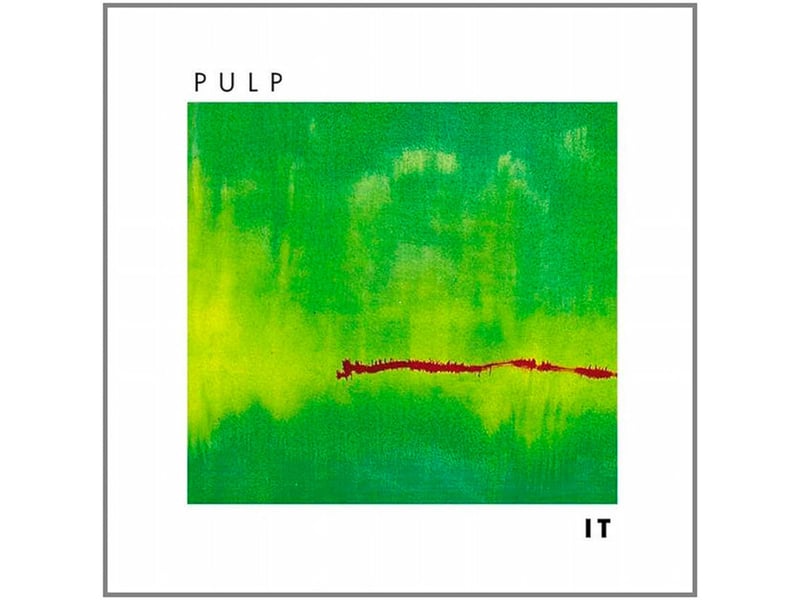
7. It (1983)
Released back in 1983, Pulp had already been in existence for five years when 'It' was released. By the time it came out Jarvis had already lost his only other founder member - school friend Peter Dalton ordered to university by an angry father - and had yet to develop the art school intellectual persona that would later serve him so well. Opening track 'My Lighthouse' is actually pretty good, showing how he managed to blag his way to a recording contract. Otherwise there's little else in the sparse seven-strong tracklisting to commend it, with 'Joking Aside' perhaps the worst thing Jarvis has ever recorded. It's by some distance Pulp's poorest album, although whether it can even be considered a Pulp album is open to debate. | Contributed