
Album reviews: The Rolling Stones | Tricky | Sulka
The new Rolling Stones album is part roistering party, part gauntlet thrown down to any young(er) pretenders, writes Fiona Shepherd
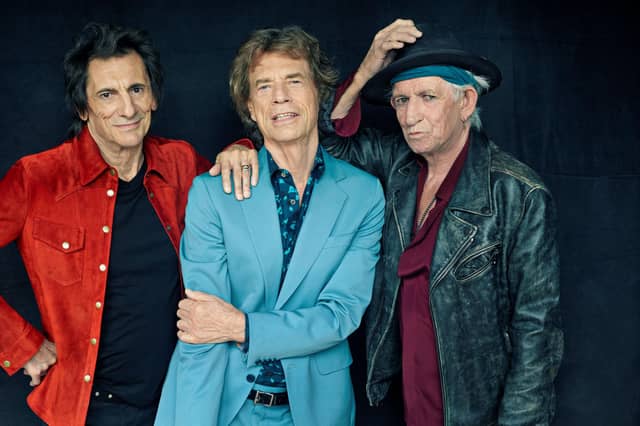

The Rolling Stones: Foreign Tongues (Polydor) ★★★★
Tricky: Different When It’s Silent (False Idols) ★★★
Sulka: Bute (Lost Map) ★★★
Less than three years after Hackney Diamonds broke a near-two decade lull in original material, The Rolling Stones maintain the careering momentum on their 25th studio album.
Foreign Tongues is part roistering party, part gauntlet thrown down to any young(er) pretenders who might doubt the fire in these octogenarians’ bellies. Some weighty names come along for the ride, Paul McCartney, ace keyboard player Benmont Tench and relative youngsters Robert Smith of The Cure (getting about a lot these days) and Brad Smith of Red Hot Chili Peppers all dip in and out while Steve Winwood is having such a blast on organ that he doesn’t want to leave.
They kick off with Rough and Twisted, a meaty blues rocker with a flea in its ear, before injecting some soul into the pleasing mix of In The Stars. “It’s no mystery,” breezes Jagger although it sure sounds like alchemy from here.
And they are only warming up. Jealous Lover is an easy rhythm’n’blues treat with Jagger declaiming in falsetto, spurred by the gospel backing vocals to testify with the deranged passion of Prince. He tackles the turbo-charged Mr Charm with a Rocky Horror relish, scornfully namechecking “mad Mr Musk”.
They go right back to their roots with a cover of Chuck Berry’s Beautiful Delilah, while the gnarly southern soul and country rock of Ringing Hollow and Back In Your Life also pay tribute to their transatlantic inspirations, the latter building to a Memphis crescendo, propelled by Keith Richards’ searing soulful guitar.
Richards takes the affecting lead vocals on the moody, mid-paced, sweet-sounding Some Of Us. Casting the net further, Never Wanna Lose You rides in on a super funky bassline, with Winwood responding in kind, while snotty rocker Hit Me In the Head is a right ruckus, featuring their late drummer Charlie Watts powering the paciest number on the album, with Jagger breaking out the squalling harmonica for this and the following faithful cover of Amy Winehouse’s You Know I’m No Good, a song made for Jagger’s raffish delivery.
In contrast, he is the voice of grim experience on the suitably itchy rocker Side Effects, warning “there’s a price to pay for everything you put in your veins” before hollering “this is worse than stopping cigarettes – help me baby”. But there is also a devilish glint in his eye which finds gleeful expression on Divine Intervention. This plea for emotional rescue features an unexpected lunar encounter with the Tartan Army in New York – “I looked up and saw the bare end ass of Scotland…watch them fly” – powered by a born-to-run saxophone break which is every bit as much fun as it sounds.
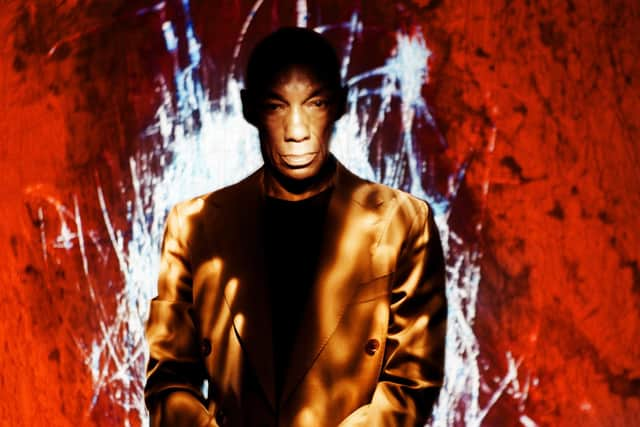
It’s back down to earth with a bump for the moody blues of the new Tricky album. His trip-hop template is long established and he finds no need to tinker with it on Different When It’s Silent, except to introduce 22-year-old Bristolian singer Mitch Sanders, who brings bewitching falsetto chops and soulful shades of The Weeknd to tracks such as Be Still In Your Pain and the desolate electro pop of So Cold. Marta, his longtime vocalist of choice, cameos on the fidgety Out of Place but there’s a new voice in town with bags of brooding potential.
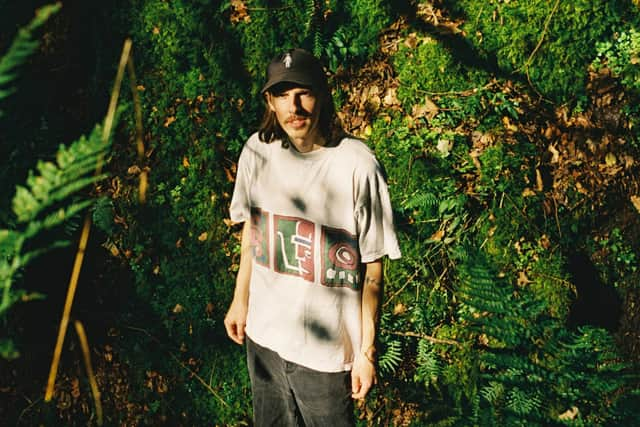
When he is not playing in hardcore punk band Bleaks, Glasgow-based DIY musician Lukas Clasen showcases his softer side as Sulka. His short but bittersweet third album Bute is named after the island where he wrote all the songs, particularly inspiring Replaced and Meteorite. The former is a mellow indie pop meditation on the transforming effects of an island sojourn while the latter considers hanging out in the Firth of Clyde come the apocalypse.
CLASSICAL
Mel Bonis: Orchestral Works (Chandos) ★★★★
Gender bias has much to answer for, but bear in mind not all of history’s forgotten female (as well as male) composers warrant immortality via token performances of their music. Mélanie Hélène Bonis – stage name Mel Bonis – does deserve to be resurrected from obscurity and recognised, which in recent years has included recordings on Chandos of her chamber music, and now orchestral works. This one, with the BBC SSO under Rumon Gamba, and soprano Elizabeth Watt as soloist, reveals a truly inspired compositional mind, from an exotic portrait of Ophelie in Trois Femmes de legende to a kaleidoscopic cocktail of dances that ends with the wildly cavorting Les Gitanos (Gypsies). Watts caresses two enchanting orchestral songs. Contemporary with Debussy, Chausson, and encouraged by Franck, these influences are potent, Bonis’ originality unquestionable. Ken Walton
JAZZ
Mama Terra: Inner Space (Acid Jazz Records) ★★★★
Glasgow’s Mother Earth band unleashes a second album of their epic eco-sci-fi soul jazz, co-led by Marco Cafolla on keyboards and saxophonist Konrad Wiszniewki, with trombonist Mikey Owers, bassist Ross Saunders, drummer Doug Hough and vocalist Rachel Lightbody. Their cinematic sweep puts one in mind sometimes of Fifties sci-fi movie scores, not least the opening title track, its insistent drive carrying shrilling soprano sax before trombone opens up against ethereal background vocals, with strings from the Ayoub Sisters and stentorian recitation from poet and one-time Miles Davis collaborator Conrad Roberts. Roberts returns to declaim amid luminous piano, trombone and strings in Bliss. American trumpeter Jeremy Pelt joins for The Observers, while the closing Relativity casts off serenely, serenaded by sinuous vocalising, muscular tenor sax and glistering piano. Jim Gilchrist
The Scotsman’s arts newsletter is now sent twice a week - subscribe today
Want the latest Scottish headlines sent directly to your phone? Sign up to our new WhatsApp channel here