
Album reviews: Garbage | Kathryn Joseph | Jacob Alon | Mogwai
For the latest Garbage album, Shirley Manson has broken the habit of a lifetime and penned some love songs, writes Fiona Shepherd
Garbage: Let All That We Imagine Be The Light (BMG) ★★★
Kathryn Joseph: WE WERE MADE PREY. (Rock Action) ★★★★
Jacob Alon: In Limerence (Island/EMI) ★★★★
Mogwai: The Bombing of Pan Am 103 soundtrack (Rock Action) ★★★
The latest album from Garbage arrives sooner than the band anticipated, conceived while frontwoman Shirley Manson was recovering from the hip surgery that put a sudden halt to their No Gods No Masters world tour. In her physical and emotional vulnerability, she broke the habit of a lifetime and wrote some love songs. Nothing particularly romantic, you understand. Let All That We Imagine Be The Light is an album about practical love which chooses to confront and to hope.
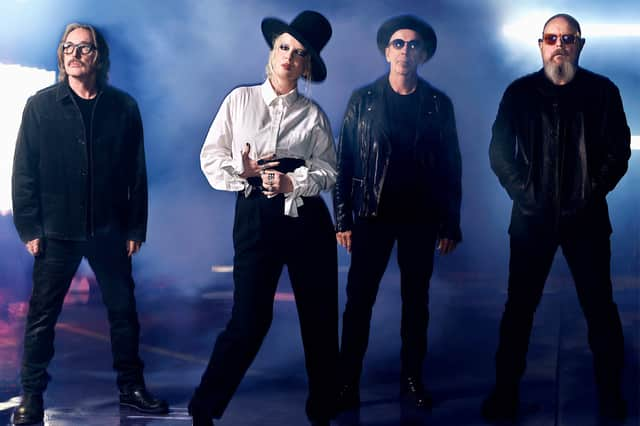

But it’s still Garbage as we know it, so the album begins with a sleek electro rock song called There’s No Future In Optimism, with Manson speak-singing of the instinct for fight or flight in the aftermath of disaster – in her case, the murder of George Floyd and an earthquake in her adopted home of Los Angeles. She follows this with the eloquent rage of Chinese Fire Horse directed at those foolish enough to suggest that Manson might consider hanging up her microphone. For complete clarity, she lets the last line “I’m not done” hang in the air. She also challenges herself and others to channel rage to positive ends on the sultry ballad Radical and the propulsive Love to Give.
Have We Met (The Void) evokes a John Carpenter-like world of neon LA cityscapes with its glacial gothic synths, banging arpeggios and droning fuzz bassline and there’s a strong whiff of Ultravox and Gary Numan about the inexorable industrial stomp of R U Happy Now. But the album highlight is its endgame. Manson’s healing lyrics for The Day That I Met God were written, rendered and recorded at home, delivered as if from a recovery diary with the holy revelation that “I found God in Tramadol”.

The recording of Kathryn Joseph’s fourth album also didn’t go entirely as expected. Arguably in keeping with its shouty upper case typography, WE WERE MADE PREY. makes a loud sound out of Joseph’s intimate, eldritch songs, with producer Lomond Campbell adding big synth licks to her electric piano patterns on WOLF. and (relatively) commercial electro reverberations to recent single HARBOUR.
ROADKILL. is a big, declamatory catharsis; in contrast, BEL (II). is a minimal campfire requiem for her friend Beldina Odenyo Onassis, aka Heir of the Cursed. There are also love odes for her son, daughter and dog and a trippy torch song in the vein of Portishead rounding out this sonically rich collection which stretches her quavery vocals as much as expands her noir balladry.

Jacob Alon is a confirmed fan of Joseph’s ability to deliver dark matter with irreverent humour. This Dunfermline-born, Edinburgh-based singer/songwriter demonstrates their own ability to combine the sacred and profane on their beguiling debut album which explores the state of limerence – essentially being crazy in love/lust.
Comparisons with Nick Drake and Jeff Buckley are not over-stretched. Alon possesses a bewitching, elastic voice accompanied by mesmeric acoustic picking and occasionally a sensation of brass or a martial drumbeat. Like Joseph, there is a dynamic mismatch between form and content in these fully formed songs. The soft waltz of August Moon belies its poetic account of a violent attack, Liquid Gold 25 is a shuffling ode to their favourite brand of poppers, while Sertraline is a delicate folk drone inspired by their anti-depressant medication. For the listener, this is all good medicine.
Mogwai add to their soundtrack catalogue with a sensitive score for TV miniseries The Bombing of Pan Am 103, which slips unobtrusively from the elegiac tolling of Calling all units via the doomy shoegaze of Swiss Timers to the glacial sorrow of We Let You Down and lachrymose twanging guitar of Back Home to Giffnock, leaving most of the drama to the show itself.
CLASSICAL
Henry VIII On Tour (Delphian) ★★★★
Henry VIII On Tour might sound like a 1970s Rick Wakeman album. In fact, it’s Henry himself from the 16th century, or rather a representation of the music and musicians that accompanied him on his regular sojourns to the provinces. As such, it’s a delightful cocktail of the sacred and secular performed by Ensemble Pro Victoria under director Toby Ward, from two lute songs by William Cornysh (including the cutesy ditty Trolly Lolly), organ and harp solos played respectively by Aileen Henry and Magnus Williamson, to motets by Verdelot, More and Taverner and the intriguing Missa Christe Jesu by Lincolnshire composer William Rasar. The last adds Williamson’s New Vocal Ensemble to the mix, revealing a work of bold textural scope and verse-anthem-like structure. Like the best albums it tells a compelling story: Henry, heard here in an artful lute number, even wrote his own music. Ken Walton
FOLK
Donald WG Lindsay: Two Boats Under the Moon (Own Label) ★★★★
Piper and pipemaker Donald WG Lindsay reverts on this double album to his alter ego as singer and songwriter, giving warm, grainy voice to traditional material and his compositions shaped by that tradition. The affectionately confided When You Were Young sets the mood, given poised accompaniment from his guitar and Roo Geddes’s empathetic fiddling. Casuarina and the title track are inspired by three years spent on Ascension Island in the south Atlantic, Two Boats being the name of a village there, as evoked in a fond folk nocturne, while Johnny Blue’s Well celebrates a Renfrewshire landmark. Allan Ramsay’s An Thou Were My Ain Thing gets a bit dreary, but there’s a gruff authenticity in Lindsay’s unhurried rendition of classics like Tramps and Hawkers or Wild Rover, while pipes and fiddle come to the fore in two fine instrumentals. Jim Gilchrist
Comments
Want to join the conversation? Please or to comment on this article.