Not every artwork can be the size of Picasso’s Guernica.
Small is sweet, too, as evidenced by the 12th annual Small Paintings show, which opens on January 17 and runs until February 1, at Edinburgh’s Morningside Gallery.
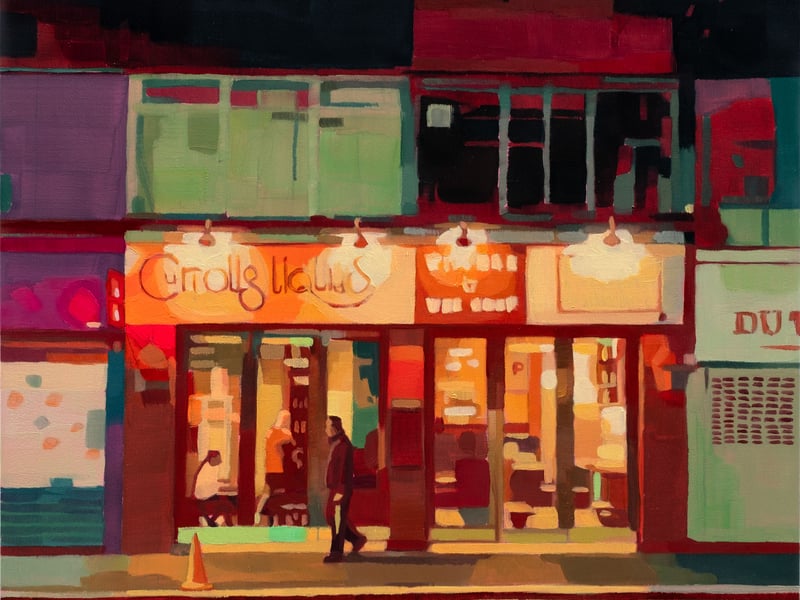
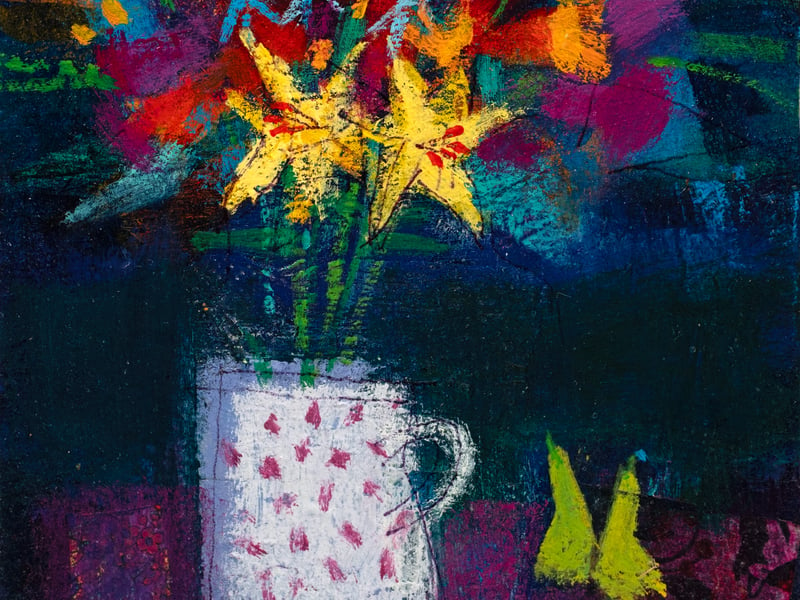
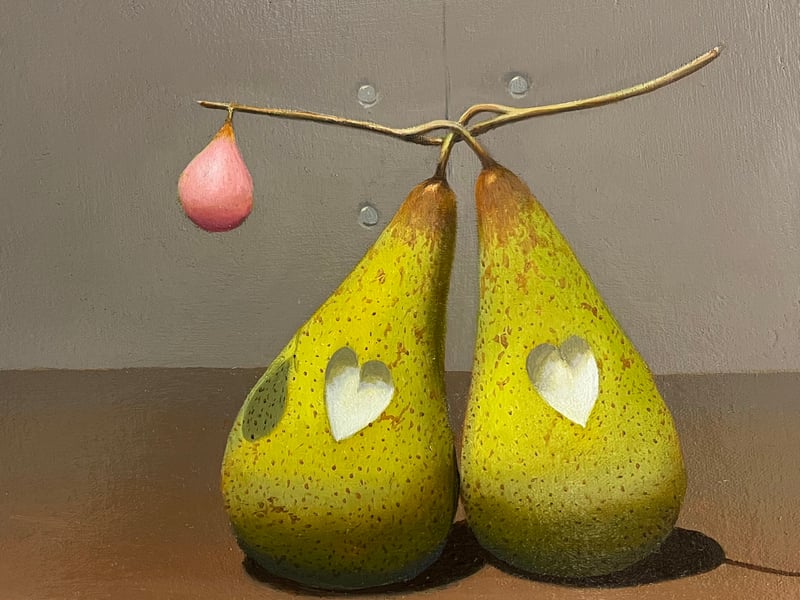
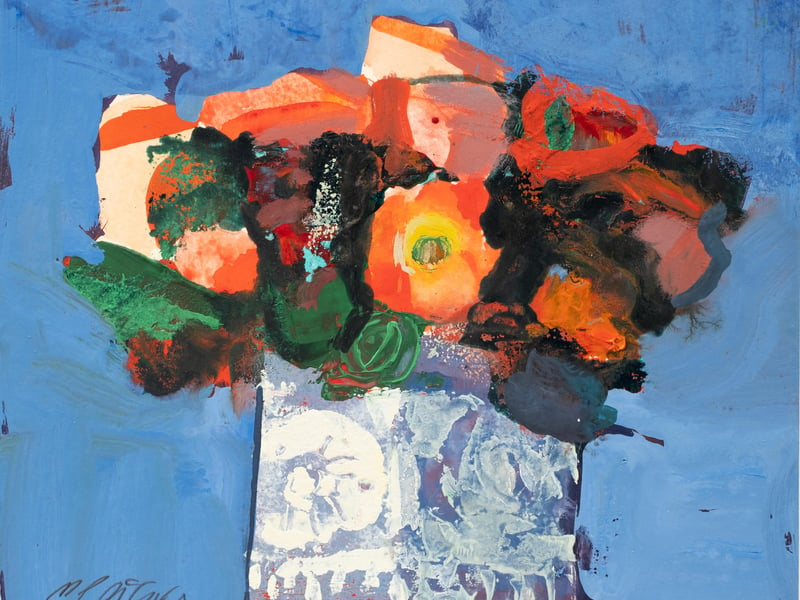
The selling exhibition features over 500 diminutive works that are no more than 25cm in size.
We asked the gallery’s director, Eildeadh Swan, to reveal more.
Tell us about the exhibition.
We’re certainly not the first gallery to come up with the idea of a Small Paintings exhibition. There is a long history of galleries focusing on small artworks, especially in the run up to Christmas as they can make an ideal gift for an art lover. We felt it might be a bit different to do it in January, as a way to start the year with a celebration, away from all the pressures of the festive season. People might feel they have a bit more headspace and can treat themselves.
Its popularity comes from a variety of sources - price point perhaps being an obvious one, and also variety. It perhaps speaks to the collector instinct. You might have been following an artist for a while but haven't committed to buying one of their larger works - in this exhibition you can purchase a small original work by them.
The scale means that people can generally buy what they love, without having to think too much about where they might hang it. There’s always a small space somewhere, and a big purchase can involve a lot more consideration in terms of both cost and placing.
The small paintings exhibition takes all of that away and there is something quite liberating about that - there is a straightforward aesthetic and emotional exchange, without too much thinking getting in the way. Being part of that process and watching people buy a painting purely because they love it, is what makes this exhibition so special. On the opening weekend, you can feel the joy and energy of this process unfolding.
Tell us about this year's artists.
We have around 80 artists taking part this year, none of whom usually work exclusively in miniature. In fact this is one of the things that makes the exhibition feel so special. Many of our artists actually find it quite a challenge working so small. Some have declined the offer to be part of the show for years, eventually agree, and report that the format has actually been a hugely rewarding process - allowing them to discover a new technique or way of working.
There is freedom here for the artists as much as the clients buying the works. Without the pressure of a big solo show, large scale canvases and the expectation from galleries of a certain subject matter or style of work, artists can experiment. The small painting process can be liberating, lead to a whole new way of working and a body of larger work. We are always especially grateful to the artists taking part in this show because the work involved can be huge - small paintings are not any easier to conceive of or to paint than large paintings.
Many of our artists this year are regular participants and we have around ten new artists taking part, including Gordon Mitchell RSA RSW RGI, Michael Clark PAI RSW RGI, Jacqueline Orr RSW RGI PAI, Charles Simpson, Calum Stevenson, Francis Boag and Alice Campbell.
What kind of techniques are involved?
Some artists who usually only work in oils will contribute drawings; this year we have Helen Fay who is well known for her etchings of animals - she has given us paintings. Having worked with her for over 15 years it is exciting to see her working in this medium for the very first time. We usually exhibit Mhairi McGregor's oil paintings but she’s given us incredible small scale gouache still life paintings. We have oil, acrylic, drawings and pastels.
Any personal favourites?
I would struggle to limit favourites to 20, never mind one.
How do you hang so many little paintings in the gallery?
We put up three rows of shelves all around the gallery. It is a completely different kind of exhibition to curate. Because of the sheer variety in subject matter, we try to find a loose thread that runs through the exhibition by organising it roughly by colour. And then within each section we curate the shelves further so that each painting can be read individually. You don't want the whole section to feel like a blur of colour so you need to place paintings next to one another that allow them to be read separately - something quite loose will sit well next to something more photorealist, for example. The colour connects them and creates a flow but different styles allow each to stand out.
This process takes a long time and our initial layout involves many hours and late nights. It’s hard work but also incredibly rewarding - like a huge visual puzzle - you know it will work out eventually but you have no idea how long it will take. And because people can take away paintings they purchase, by the end of the opening weekend our initial layout has changed completely. It’s a huge undertaking but the positive energy generated by the artists, clients and gallery team somehow carries us along.
What do people do with small works at home?
Some get them framed and hang as usual, others prop them on a shelf or mantle or with a small easel. With framing you can be quite creative - sometimes a small painting works with a large frame. Other times something minimal is better. Good framers are creative and can advise on what will work best. Some of the small paintings are presented ready to hang on a deeper canvas.
Which pieces have generated the most interest so far?
Unlike most of our other exhibitions we don't sell any of the small paintings ahead of the opening so all will be revealed at 6pm on Friday evening. There is always one that 20 people want. Last year it was a Fiona MacRae painting of a little dog sitting at a table.
What are the price ranges?
£150 - £950.
Join the gallery’s mailing list for access to the online Private View at 6pm on January 16, www.morningsidegallery.co.uk.
Read more: “Look inside the charming Edinburgh dog exhibition that's already selling out of paintings”
Read more: “The gallery in Cairngorms National Park that's going on sale after 25 years of 'magical exhibitions”