
How council costs and extreme weather are threatening Edinburgh's festivals, including Hogmanay
Festivals Edinburgh laid out challenges to major events in a submission to the UK Government

Local councils pushing costs such as policing and parking onto organisers, combined with an increase in extreme weather events that force cancellations of major events, are dual threats to Edinburgh's festivals, MPs have been told.
Umbrella body Festivals Edinburgh warned that a rise in frequency of adverse weather conditions such as the storm that led to the cancellation of last year's Hogmanay had a major financial impact on festivals, while simultaneously risking deterring audiences from committing to outdoor events.
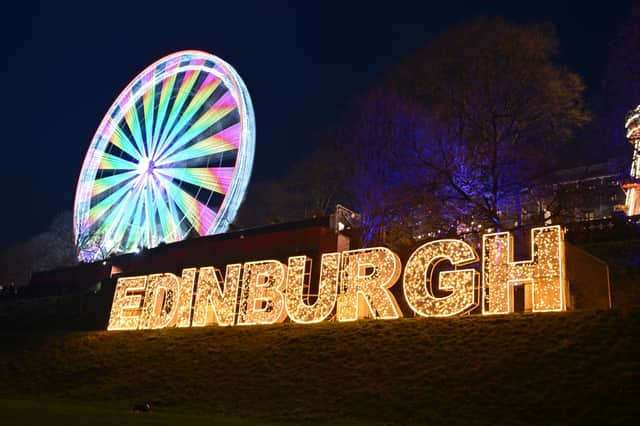

In a written submission to Westminster's Culture Committee major events inquiry, the organisations also warned the UK governments had failed to create a definition of a "major event". This means "itinerant" international events - such as the Tour de France, which Edinburgh will host in 2027 - often end up taking priority and focus over annual domestic major events such as the Edinburgh festivals, the organisations said.
Festivals Edinburgh, which was set up in 2007, involves representatives from a range of major festivals in the city. These include the Edinburgh Festival Fringe Society, the Edinburgh Science Festival, the Edinburgh International Book Festival and Edinburgh’s Hogmanay, among others.
The body said the “single greatest challenge” for major events was the rising cost of doing business, driven by increasing costs of materials, labour, insurance, transport and energy. But Festivals Edinburgh warned that local authorities were increasingly taking back costs from festivals, which left them more reliant on public funding to survive.
The submission said: “This might be understandable given the difficult economic circumstances which many local authorities find themselves in, but it tends to unfairly penalise major events, which are run for the ‘public good’ by independent charities – such as is the case with the Edinburgh Festivals.
“In many cases we find local authorities investing in these charities on the one hand, only to reclaim those same funds in cost recovery with the other. And if we move beyond public sector funding to the wider private investment, the major events sector is challenged by an unfavourable taxation environment, which does not adequately incentivise ‘corporate sector responsibility’ or ‘private individual giving’ and thus ironically makes such events further reliant on public sector funding.”
The submission highlighted adverse weather events which force cancellations, such as last year’s Edinburgh Hogmanay celebration pulled the day before after severe weather warnings were put in place for the whole of Scotland. All outdoor events, including the city's famous street party, midnight fireworks display and two concerts in Princes Street Gardens, were called off on the grounds of public safety after official weather alerts were escalated.

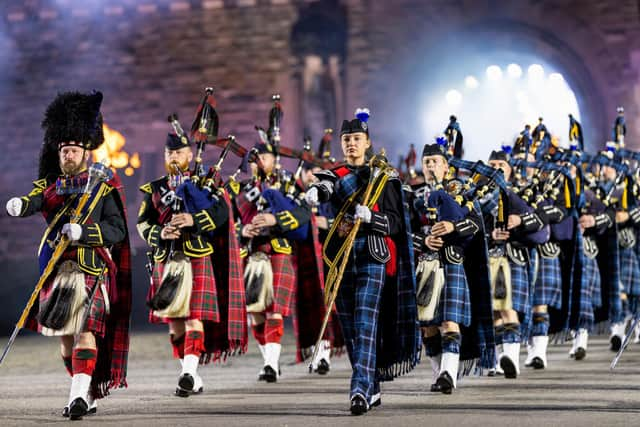
Meanwhile, during this year’s Edinburgh festivals, high winds led to the cancellation of 72 Edinburgh Festival Fringe shows at The Pleasance venue, as well as a performance of the Royal Edinburgh Military Tattoo. The Edinburgh International Festival also cancelled some performances due to fears over audience members being able to travel due to the weather.
In the document submitted to the committee, Festivals Edinburgh said there were environment-related challenges for the major events sector, including government legislation that requires festivals to change their business models, as well as public attitudes to climate change responsibility. The submission said events had to “carefully consider their business model in order to mitigate against reputation damage and public backlash”.
“However, beyond the push and the pull, is the reality that climate change is already impacting outdoor events and we are increasingly seeing cancellations due to adverse weather conditions – such as in our recent show cancellations at Edinburgh’s Hogmanay, Edinburgh Festival Fringe and The Royal Edinburgh Military Tattoo,” the submission said. “This has an immediate impact on income and expenditure, on spiralling insurance costs, and a potentially major reputational impact on audiences/spectators.”
The document said another major challenge for Edinburgh’s festivals was “the lack of any definition at a political level of what we mean by ‘major events’”.
“This has major policy and investment ramifications,” the submission said. “For example, the definition vacuum has been filled by an interpretation that focusses on ‘itinerant’ events, which countries/cities bid for, and which tends to be dominated by sporting events with a centralised command and control business model. This means that political investment decisions also become focused on such events and thus by default the UK prioritises them over the annual domestic major events landscape.
“This creates a real challenge for major events that work across UK regional or national boundaries, such as the Edinburgh Festivals, and thus encounter the often competing and conflicting agendas of governments – and in turn can lead to inefficient use of limited resources being deployed to keep all parties satisfied.”
The document also warned that changing consumer habits post-Covid were causing issues for events organisers.
Festivals Edinburgh warned older audiences were still deterred from attending large events due to perceived health risks. Younger people are reluctant to commit, avoiding booking tickets in advance.
The organisation said: “The central challenge for major events in social terms is the changing habits and behaviours of audiences. At a demographic level, there is clear evidence that older people are not attending major events at the same levels as pre-pandemic, and while younger people have jumped straight back into events, they have done so with a more cautious approach to purchase [i.e. they are hesitant to commit themselves too far in advance]. Gen Xers and Millennials haven’t given up on revelry, but are changing the parameters, such as in the growing international trend to prioritise health and well-being.
“Such developments have an immediate effect on cash flow, but in the longer term will also affect programming and production choices. And the unintended consequence of addressing such challenges might raise another fundamental social challenge - in trying to protect finances, may lead to increased ticket prices and this could diminish the cultural and societal diversity of major events.”
The Culture, Media and Sport Committee’s major events inquiry is focusing on sporting and cultural events that attract national or international audiences and typically draw attendance of over 10,000 people per day. These range from internationally recognised sporting competitions to national celebrations, and arts and music festivals, which generate “significant economic activity, media coverage and cultural impact”.
At the time of its call for evidence in July, the UK government said the inquiry, headed by committee chair Dame Caroline Dinenage, would look at examples of best practice across the sector. The inquiry will also analyse the role of the UK government in providing support for events and any lessons that could be learned from other countries or the devolved nations.
Comments
Want to join the conversation? Please or to comment on this article.