
Scottish film industry needs to embrace AI, says studio behind Planet of the Apes

Chris Ferriter was speaking at an industry event at Glasgow Film Festival
AI is coming and the Scottish film industry needs to embrace it, the head of a major Los Angeles production studio has warned.
Chris Ferriter, chief executive of Halon Entertainment, which launched its only studio outside the US in Glasgow last year, told an industry audience at Glasgow Film Festival that companies need to willingly utilise AI to make efficiencies - especially to make animation cheaper for lower budget filmmakers.
Halon, who has worked on films and TV series including The Mandalorian and Planet of the Apes, said AI use in the film industry was inevitable, adding that the studio had already begun regularly utilising technologies in its pipelines.
“There’s a lot of stuff happening in the industry right now that’s causing a little bit of uncertainty or insecurity about the way things are going and how things are going to be done,” he told delegates.
“I very much believe in doing high quality animated features at lower price points. I think technology enables us to bring down cost in a meaningful way without compromising quality or artistic vision.
“I think there are a lot of tools that are going to come out in the market to allow us to do that.”
Producer Lorna Reaoch, who works in Halon’s Glasgow studio, said the business has been contacted by some filmmakers asking specifically to use AI.
“The AI elephant in the room is a thing and we can either get on the train or we can get run over by it,” she said. “That’s where things are at.”
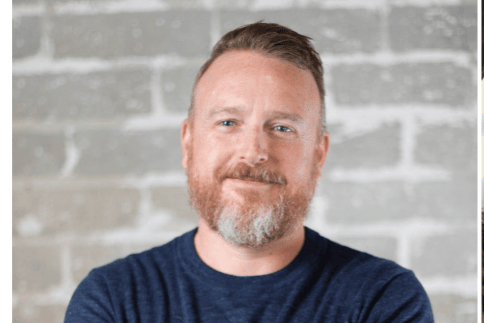

Speaking to The Scotsman after the event, Mr Ferriter said he felt it was better for Halon to be part of the development of the technology, rather than to step away.
“There is a lot of fear around AI and I think it is very warranted,” he said. “It is going to disrupt things and affect a lot of jobs and everybody is right to be concerned.
“The attitude we have taken towards AI is we need to understand it. We have taken that to heart and in some situations, it has produced incredible results.”
He said AI technologies had been used for a long time to create effects such as large crowd scenes in films.
“We’ve been using generative AI for years in visual effects,” he said. “But now the issue is it’s not just how you create a better crowd simulation, but is something that transforms and impacts everybody in the world.”
In a separate talk at the festival, media and AI lawyer Kelsey Farish argued that AI was not a death knell for the creative industries.
“Just because something exists in terms of its technological ability doesn’t mean it’s going to wipe out the vision or humanity from the storytelling,” she said.
“The benefits of AI are a lot to do with the cost savings. There’s a democratisation of storytelling. You can have a small indie [company[ or up and coming screenwriter who has a brilliant idea but maybe needs a bit of help with storyboarding, or bouncing some ideas around or showing what a particular shot might look like.
“There are ways you can use AI that are not black and white. It doesn’t have to be scary or a godsend.”
Comments
Want to join the conversation? Please or to comment on this article.