
Film reviews: The Dink | Brunello Cucinelli: The Gracious Visionary | On the Sea


If you enjoyed underdog sports comedies Dodgeball and Blades of Glory, take a swing at likeable pickleball story The Dink, writes Alistair Harkness
The Dink (N/A) ★★★
Brunello Cucinelli: The Gracious Visionary (12A) ★★
On the Sea (15) ★★
Something of a throwback to all those underdog sports comedies of the early 2000s – think Dodgeball or Blades of Glory – The Dink uses the surge in popularity of pickleball as a just-ridiculous-enough backdrop for this knowingly formulaic tale of a former tennis prodigy’s determination to win back the respect of his father.
Jake Johnson is Dustin “The Hammer” Boyd, a one-time teen tennis pro haunted by an early career loss to future US Open champion and Wimbledon finalist Andy Roddick. Reduced to coaching juniors at the tennis club his exacting father Chuck (Ed Harris) runs, he sees a chance for redemption by helping his dad stem the spread of pickleball (“It’s the coronavirus of sport”) by trying to win a hastily arranged competition designed to decide if some of the club’s courts are given over to pickleball to meet demand from the predominantly ageing population that plays it.
The stakes are comically low, in other words, but in the delusional tennis-is-everything world of Chuck, Dustin and Dustin’s weirdo best-friend PJ (Aaron Chen), director Josh Greenbaum (Strays) heightens them enough for Dustin to be thrown for a loop when an old injury forces him to secretly take up pickleball to aid his recovery. Soon enough he finds himself not only falling for the sport, but also Candace (Mary Steenburgen), the much older divorcée he partners up with to play. This latter plot twist is the sort of thing that would once have been fodder for easy laughs, but here is used in a slyer, funnier way to give the always wonderful Steenburgen a more surprising role in the journey of self-discovery man-child Dustin is undergoing. Otherwise, The Dink is mostly an undemanding, enjoyably silly riff on Dodgeball, right down to the self-aware commentary embedded in Sean Clements’ script and cameo from producer Ben Stiller as a creepy doctor. No ace, then, but there is a decent payoff for the early Roddick reference.
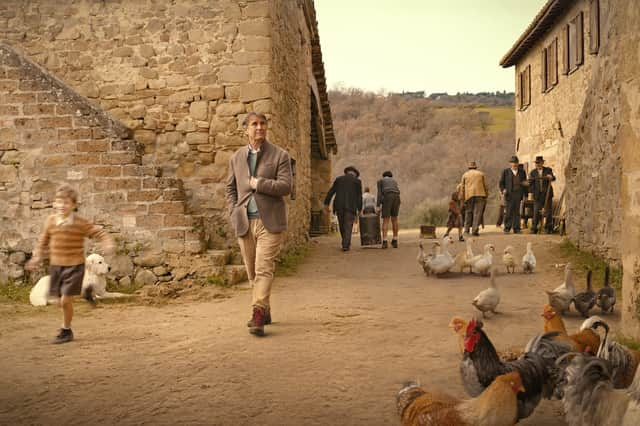
If you’re not au fait with the titular subject of Brunello Cucinelli: The Gracious Visionary, Cinema Paradiso director Giuseppe Tornatore’s ridiculously overblown documentary makes for bizarre viewing. The opening minutes feature the film’s septuagenarian subject wandering around idyllic Italian settings reflecting on such things as the meaning of life and the nature of the soul and saying things like “fire is my life.” Meanwhile, celebrity interviewees such as Oprah Winfrey and Patrick Dempsey deliver bland testaments to his saintly nature without bothering to clarify who he is. Indeed, it’s a full 32 minutes before an editor for Esquire makes any reference to a career in fashion, casually quipping that had Cucinelli not failed in his ambition to become a priest the world might have been denied some fabulous sweaters.
By this point, though, we’ve already had an excruciatingly idealised reenactment of his rose-tinted childhood as the joyful son of rural peasants, scenes that play like the flashbacks in The Godfather Part II, if The Godfather Part II was really boring and centred on a striver who became head of an ethically minded luxury goods company rather than the Mafia. Giving everything a glossy, golden hue, Tornatore lays it on so thick you’d be forgiven for thinking his subject was the Second Coming, not someone who made a fortune selling cashmere jumpers without exploiting his workforce. That’s too bad, because Cucinelli seems a decent sort and there’s certainly an interesting film in here somewhere about why more companies don’t follow Cucinelli’s example and put people before profits. Alas, Tornatore’s try-hard efforts to deify him just smack of egomania run amok.
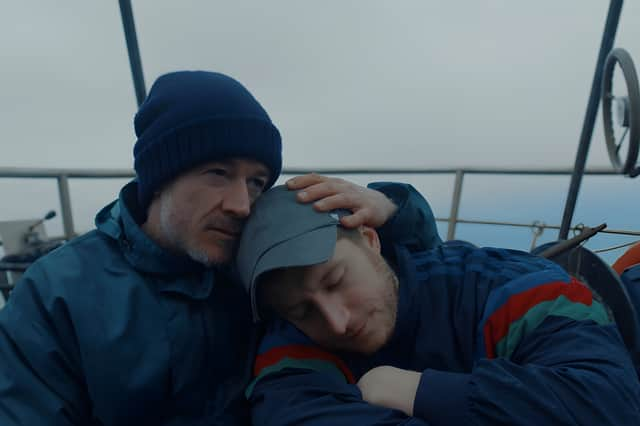
A glum, unrequited queer love story, On the Sea puts a tedious May-December spin on Brokeback Mountain with a regressive plot about a closeted middle-aged Welsh mussel picker (Barry Ward) who falls for a young deckhand (Lorne MacFadyen) in a small village in Anglesey.
Part of the problem here is that novelist-turned-filmmaker Helen Walsh’s second feature isn’t very clear about when it’s supposed to be set. Nobody seems to have a smartphone, or even a mobile, but there’s also nothing that specifically dates it to a late 20th-century setting, beyond the uproar that homosexuality seems to inspire among the villagers, and Walsh’s own groaningly obvious juxtaposition of her repressed protagonist hitting a local cruising spot in one scene and then listening to a church sermon about sin (with his wife and son in tow) in the next.
She also piles on the misery, giving Ward’s already tormented Jack a terminal illness diagnosis to add to the tragedy of being gay in a dated movie that doesn’t seem to realise God’s Own Country, Weekend, Passengers and All of Us Strangers have massively shifted the needle in terms of the range and types of stories gay characters can front.
The Scotsman’s arts newsletter is now sent twice a week - subscribe today
Want the latest Scottish headlines sent directly to your phone? Sign up to our new WhatsApp channel here
Comments
Want to join the conversation? Please or to comment on this article.